
As the demand for sustainable living grows, climate control net-zero housing has become a central focus for homeowners, builders, and architects. Achieving a comfortable indoor environment while maintaining ultra-low energy consumption is both a technical and practical challenge. This article explores the most effective strategies, technologies, and best practices for advanced climate management in homes designed to produce as much energy as they consume annually.
Whether you’re planning a new build or retrofitting an existing property, understanding the essentials of efficient heating, cooling, and ventilation is crucial. We’ll cover integrated system design, smart controls, and the latest innovations that help net-zero homes deliver year-round comfort with minimal environmental impact.
For those interested in optimizing cooling, the cooling systems net-zero homes guide provides an in-depth look at sustainable comfort solutions tailored to energy-efficient buildings. Incorporating these resources early in your planning can help you make informed decisions that balance comfort, efficiency, and long-term savings.
Key Principles of Climate Control in Net-Zero Homes
Effective environmental management in net-zero residences relies on a combination of passive and active measures. The goal is to minimize energy demand while maximizing comfort and indoor air quality. Here are the foundational principles:
- Super-insulation: High-performance insulation in walls, roofs, and floors reduces heat transfer, keeping interiors comfortable year-round.
- Airtight construction: Careful sealing of the building envelope prevents unwanted air leaks, which can undermine both comfort and energy efficiency.
- High-performance windows and doors: Triple-glazed or low-emissivity windows help maintain stable indoor temperatures and reduce heat loss or gain.
- Balanced ventilation: Mechanical systems like heat recovery ventilators (HRVs) or energy recovery ventilators (ERVs) ensure fresh air without sacrificing efficiency.
- Efficient heating and cooling: Advanced heat pumps, radiant systems, and zoned controls deliver targeted comfort with minimal energy use.
Smart Heating and Cooling Systems for Net-Zero Living
Modern climate control net-zero housing solutions often center around heat pumps, which provide both heating and cooling with remarkable efficiency. Air-source and ground-source (geothermal) heat pumps are especially popular due to their ability to transfer heat rather than generate it, resulting in significant energy savings.
For those seeking more details on system selection and performance, the HVAC systems net-zero homes article offers a comprehensive overview of high-efficiency options tailored to sustainable buildings.
- Air-source heat pumps: Suitable for most climates, these systems extract heat from the outdoor air, even in colder weather.
- Ground-source heat pumps: Utilize the stable temperature of the earth to provide consistent, efficient heating and cooling.
- Ductless mini-splits: Offer flexible zoning and are ideal for retrofits or homes with varied heating and cooling needs.
Integrating these systems with smart thermostats and occupancy sensors can further reduce energy use by adapting operation to real-time needs.
Ventilation and Air Quality in Energy-Efficient Homes
Maintaining healthy indoor air is a priority in tightly sealed buildings. Balanced ventilation systems, such as HRVs and ERVs, are essential for exchanging stale indoor air with fresh outdoor air while recovering heat or cooling energy. This approach supports both comfort and energy goals.
For a deeper dive into air quality solutions, see the heat recovery ventilation net-zero homes resource, which explains how these systems work and why they are vital for net-zero performance.
- Heat recovery ventilators (HRVs): Transfer heat from outgoing stale air to incoming fresh air, minimizing energy loss.
- Energy recovery ventilators (ERVs): In addition to heat, these systems also transfer moisture, helping to maintain balanced humidity levels.
- Filtration and purification: Advanced filters and air purifiers can be integrated to remove particulates, allergens, and pollutants.
Properly designed ventilation not only improves comfort but also protects the building structure by controlling moisture and reducing the risk of mold.
Smart Controls and Monitoring for Net-Zero Performance
Automation and real-time monitoring are transforming how homeowners manage their indoor environment. Smart thermostats, zoning systems, and energy monitors allow for precise control and optimization of heating, cooling, and ventilation. These tools help ensure that systems operate only when needed, reducing waste and supporting net-zero goals.
- Smart thermostats: Learn user preferences, adjust schedules automatically, and can be controlled remotely via smartphone apps.
- Energy monitors: Track real-time energy consumption, helping homeowners identify inefficiencies and adjust usage patterns.
- Zoned controls: Enable different areas of the home to be heated or cooled independently, increasing comfort and reducing unnecessary energy use.
For those interested in monitoring and optimizing their energy use, products like the Emporia Vue 3 and thermal imaging cameras can be valuable tools for identifying leaks, inefficiencies, and opportunities for improvement.
Integrating Renewable Energy and Storage
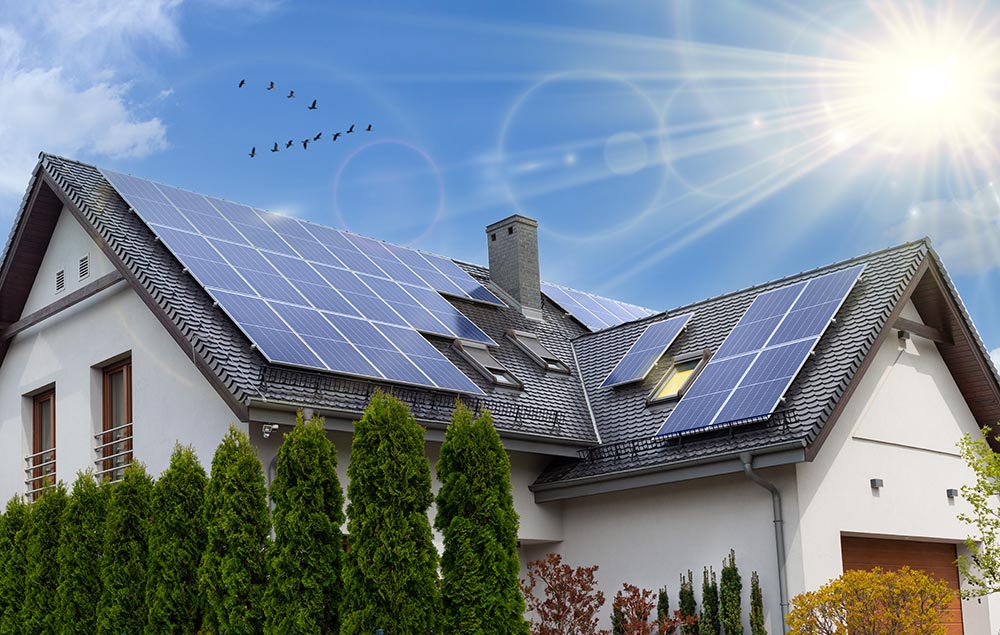
To achieve true net-zero status, homes must generate as much energy as they consume. Solar photovoltaic (PV) panels are the most common solution, but integrating energy storage—such as battery systems—can help balance supply and demand, especially during peak usage or grid outages.
Combining renewable generation with advanced climate management systems ensures that energy produced on-site is used as efficiently as possible. Smart inverters and home energy management systems can coordinate when to use, store, or export electricity, further optimizing performance.
For a broader perspective on net-zero construction, the comprehensive guide to net-zero homes explains the design, construction, and operational strategies that make these buildings possible.
Design Considerations for Optimal Comfort and Efficiency
Beyond technology, thoughtful design is essential for effective climate control net-zero housing. Passive solar orientation, strategic window placement, and shading devices can all reduce the need for mechanical heating and cooling. High thermal mass materials, such as concrete or stone, help stabilize indoor temperatures by absorbing and releasing heat slowly.
It’s also important to consider occupant behavior. Educating residents about how to use systems efficiently—such as adjusting blinds, setting thermostats, and maintaining ventilation—can make a significant difference in overall performance.
For those focusing on heating strategies, the energy efficient heating net-zero construction article explores top methods for sustainable warmth in modern homes.
Common Challenges and Solutions in Net-Zero Climate Management
While the benefits of net-zero homes are clear, there are challenges to achieving optimal climate control:
- Upfront costs: Advanced systems and high-quality materials can increase initial investment, but long-term savings and incentives often offset these expenses.
- System integration: Ensuring that heating, cooling, ventilation, and renewable energy systems work seamlessly together requires careful planning and professional expertise.
- Maintenance: Regular servicing of filters, heat pumps, and ventilation equipment is essential to maintain efficiency and air quality.
- Climate adaptation: Systems must be tailored to local weather patterns and seasonal variations for best results.
Working with experienced designers and contractors familiar with net-zero principles can help address these challenges and ensure lasting comfort and performance.
FAQ: Climate Control in Net-Zero Homes
What is the most efficient heating and cooling system for a net-zero house?
Heat pumps—both air-source and ground-source—are widely considered the most efficient options for net-zero homes. They provide both heating and cooling by transferring heat rather than generating it, resulting in high efficiency and lower energy use.
How do net-zero homes maintain indoor air quality?
Balanced ventilation systems, such as HRVs and ERVs, bring in fresh air and remove stale air while recovering heat or cooling energy. High-quality filtration and regular maintenance further ensure healthy indoor air.
Can smart home technology improve climate control in energy-efficient homes?
Yes, smart thermostats, zoning systems, and energy monitors allow homeowners to optimize comfort and efficiency. These technologies adapt to occupancy patterns and user preferences, reducing energy waste and supporting net-zero goals.
Are there incentives for installing advanced climate systems in net-zero homes?
Many regions offer rebates, tax credits, or other incentives for energy-efficient upgrades, including heat pumps, ventilation systems, and renewable energy installations. Check with local authorities or energy providers for current programs.
Conclusion
Advanced climate control net-zero housing solutions are transforming how we design, build, and live in our homes. By combining robust building envelopes, efficient mechanical systems, smart controls, and renewable energy, it’s possible to achieve year-round comfort with minimal environmental impact. As technology continues to evolve, these strategies will become even more accessible, paving the way for a more sustainable future in residential construction.