

Achieving a truly sustainable household is becoming more attainable as renewable energy technologies advance and costs decrease. For those aiming to create a net-zero home, the integration of clean energy sources is a central strategy. By generating as much energy as you consume over the course of a year, you can dramatically reduce your environmental impact, lower utility bills, and increase your home’s value. This guide explores the core principles, technologies, and practical steps to harnessing renewable energy net-zero homes solutions for residential living.
Building or retrofitting a home to reach net-zero status involves more than just installing solar panels. It requires a holistic approach that combines energy-efficient construction, smart systems, and the right mix of renewable sources. Early planning, careful material selection, and ongoing monitoring all play a role in maximizing efficiency and comfort. For those interested in construction details, exploring air sealing materials net-zero construction can provide further insights into minimizing energy loss and supporting a net-zero strategy.
Understanding the Path to Net-Zero Living
The concept of a net-zero home centers on balancing energy consumption with on-site renewable generation. This means that, over a typical year, the total amount of energy used by the household is offset by the clean energy produced. The journey begins with reducing demand through efficiency upgrades and continues with integrating renewable systems tailored to your location and needs.
- Energy efficiency: Upgrading insulation, windows, and air sealing reduces the baseline energy required for heating and cooling.
- Smart design: Passive solar orientation, high-performance building envelopes, and efficient appliances further lower consumption.
- On-site generation: Solar, wind, or geothermal systems supply the remaining energy needs with minimal emissions.
Each of these steps supports the broader goal of renewable energy net-zero homes, ensuring that households are both environmentally responsible and cost-effective over time.
Key Renewable Energy Technologies for Households
Several clean energy technologies are available for residential use, each with its own benefits and considerations. Selecting the right combination depends on your climate, site conditions, and budget.
Solar Power: The Cornerstone of Net-Zero Strategies
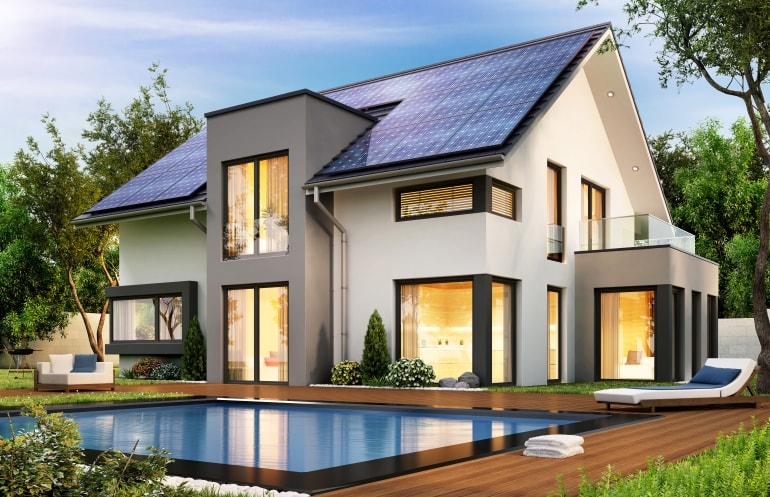
Photovoltaic (PV) panels are the most widely adopted renewable solution for homes. They convert sunlight directly into electricity, which can be used immediately or stored in batteries for later use. Modern solar systems are modular, scalable, and increasingly affordable, making them a practical choice for many homeowners.
For maximum effectiveness, panels should be installed on a south-facing roof with minimal shading. Battery storage, while optional, increases self-sufficiency and resilience during grid outages.
Wind and Geothermal: Supplementing Solar for Complete Coverage
While solar is the most common, wind turbines and geothermal heat pumps can further reduce reliance on the grid. Small-scale wind systems are suitable for properties with consistent wind speeds, while geothermal systems use the earth’s stable temperature to provide efficient heating and cooling. These technologies can be combined with solar to achieve year-round energy balance, especially in regions with variable weather.
Integrating multiple renewable sources ensures that energy production remains steady, even when sunlight or wind is intermittent. This diversity is key for households striving for net-zero performance.
Building Envelope and Efficiency Upgrades
Before investing in renewable systems, it’s essential to address the home’s energy leaks and inefficiencies. A well-sealed, insulated building envelope reduces the amount of energy required for comfort, making it easier and more affordable to reach net-zero status.
Consider upgrading to high performance windows net-zero homes and using green insulation materials explained to improve thermal performance. These measures not only lower utility bills but also enhance indoor comfort and air quality.
Other efficiency upgrades include:
- LED lighting and ENERGY STAR appliances
- Smart thermostats and energy monitoring systems
- Efficient water heating solutions, such as heat pump water heaters
Monitoring and Optimizing Household Energy Use
Ongoing monitoring is crucial for maintaining net-zero performance. By tracking energy production and consumption in real time, homeowners can identify trends, spot inefficiencies, and make informed decisions about upgrades or behavioral changes.
Smart energy monitors and thermal imaging cameras are valuable tools for this purpose. They help pinpoint areas where energy is being lost and provide actionable data for continuous improvement. These devices can be easily integrated into most homes and offer valuable insights for both new builds and retrofits.
Design and Construction Considerations for Net-Zero Homes
Whether building new or renovating, the design phase is the best time to plan for net-zero performance. Thoughtful orientation, compact building shapes, and the use of advanced framing techniques can all contribute to lower energy needs. For those interested in structural details, the wood framing net-zero homes guide offers advice on maximizing structural efficiency while supporting sustainability goals.
Material selection is equally important. Using insulated concrete forms and other high-performance materials can improve durability and thermal performance. For more on this, see insulated concrete forms net-zero homes.
Working with experienced architects and builders who understand the requirements of renewable energy net-zero homes ensures that all systems are integrated seamlessly, from the foundation to the rooftop solar array.
Costs, Incentives, and Long-Term Value
While the initial investment in renewable systems and efficiency upgrades can be significant, the long-term savings and increased property value often outweigh the upfront costs. Many regions offer incentives, rebates, and tax credits to offset installation expenses. Over time, lower utility bills and reduced maintenance can make net-zero homes more affordable than conventional alternatives.
For a detailed breakdown of costs and planning, resources like how to build a net-zero home provide step-by-step guidance and financial analysis.
Key financial benefits include:
- Protection against rising energy prices
- Potential for net metering and selling excess energy back to the grid
- Higher resale value and market appeal
Frequently Asked Questions
What is the most effective renewable energy source for residential net-zero homes?
Solar photovoltaic panels are the most commonly used and effective renewable energy source for residential applications, thanks to their scalability and declining costs. However, combining solar with wind or geothermal systems can provide more consistent year-round energy production, especially in areas with variable weather.
How can I make my existing home net-zero?
Start by improving energy efficiency through insulation, air sealing, and upgrading to high-performance windows and appliances. Once your energy demand is reduced, install renewable systems such as solar panels or a geothermal heat pump. Monitoring tools and smart controls can help you optimize usage and maintain net-zero status.
Are net-zero homes more expensive to build?
Initial construction or retrofit costs can be higher due to the need for advanced materials and renewable systems. However, incentives and long-term energy savings often offset these expenses. Over time, net-zero homes can be more cost-effective than traditional homes, especially as energy prices rise.
Do I need battery storage for a net-zero home?
Battery storage is not strictly required but can enhance self-sufficiency and resilience. It allows you to use solar or wind energy even when the sun isn’t shining or the wind isn’t blowing. For many homeowners, a grid-tied system with net metering is sufficient, but batteries add an extra layer of security and independence.
Conclusion
Transitioning to a home powered by renewable energy is a practical and impactful way to reduce your carbon footprint and achieve long-term savings. By focusing on efficiency, smart design, and the right mix of clean energy technologies, you can create a comfortable, resilient, and future-ready living space. Whether you’re building from scratch or upgrading an existing property, the path to net-zero is within reach with careful planning and the right resources.

