
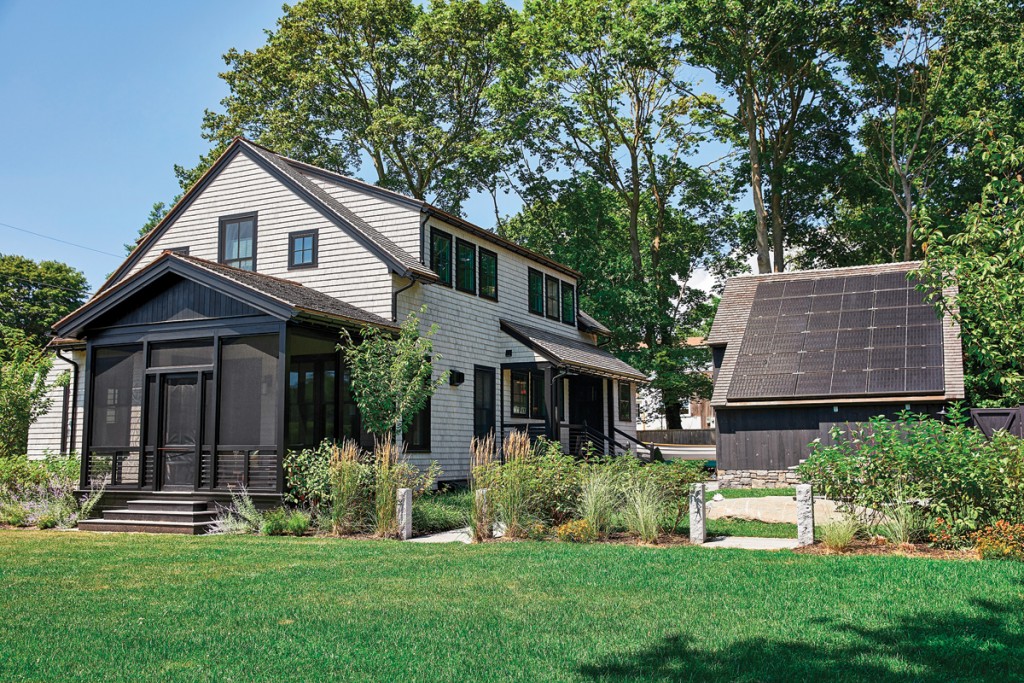

As the demand for sustainable living grows, more homeowners are turning to innovative solutions to achieve net-zero energy goals. Geothermal heating is a cornerstone technology for those seeking to minimize their environmental impact and reduce utility costs. This article offers a practical breakdown of how earth energy systems work, their benefits, and what to consider when integrating them into modern, energy-efficient homes.
Understanding the role of geothermal systems is essential for anyone interested in building or retrofitting a residence to meet net-zero standards. Alongside other strategies—such as air sealing materials for net-zero construction and advanced insulation—geothermal heating can significantly reduce a home’s reliance on fossil fuels and grid electricity.
How Earth Energy Systems Work in Sustainable Homes
At the heart of a geothermal system is the principle that the earth below the surface maintains a relatively constant temperature year-round. By tapping into this stable environment, geothermal heat pumps can efficiently transfer heat to and from the ground, providing both heating and cooling for a home.
There are two main components to these systems:
- Ground Loop: A series of pipes buried underground, either horizontally or vertically, circulates a water-based solution to absorb or dissipate heat.
- Heat Pump: Located inside the home, this unit extracts heat from the fluid in winter to warm the house or removes heat in summer to cool it.
This approach is highly efficient because it leverages the earth’s natural thermal properties, requiring much less electricity than traditional HVAC systems. When combined with other net-zero construction techniques, such as insulated concrete forms for net-zero homes, the result is a home that can produce as much energy as it consumes annually.
Benefits of Geothermal Heating in Energy-Efficient Construction
Choosing geothermal technology for a high-performance home offers several advantages:
- Reduced Energy Consumption: Geothermal heat pumps can be up to four times more efficient than conventional systems, dramatically lowering energy bills.
- Lower Carbon Footprint: Because these systems use renewable earth energy, they help cut greenhouse gas emissions associated with heating and cooling.
- Long-Term Savings: While installation costs can be higher, the operational savings and potential incentives often offset the initial investment within several years.
- Quiet and Low Maintenance: With fewer moving parts and no outdoor compressor, geothermal systems are quieter and require less upkeep than air-source heat pumps.
Integrating geothermal with other sustainable features—like high performance windows for net-zero homes—further enhances comfort and efficiency.

Types of Geothermal Systems for Residential Use
There are several configurations of earth energy systems suitable for homes aiming for net-zero performance:
- Closed-Loop Systems: The most common option, these circulate fluid through a continuous loop of buried pipes. They can be installed horizontally (if land is available) or vertically (for smaller lots).
- Open-Loop Systems: These use groundwater from a well or pond as the heat exchange fluid. They are highly efficient but require a reliable water source and proper discharge management.
- Hybrid Systems: Sometimes, a combination of geothermal and other renewable sources (like solar) is used to maximize efficiency and flexibility.
The choice depends on factors such as soil conditions, available land, climate, and budget. Consulting with a qualified installer is essential to determine the best fit for your project.
Integrating Geothermal with Other Net-Zero Strategies
For optimal results, geothermal should be part of a holistic approach to sustainable home design. This means considering:
- Building Envelope: High-quality insulation and airtight construction reduce the heating and cooling load, allowing a smaller, more efficient geothermal system.
- Windows and Doors: Upgrading to high performance windows minimizes heat loss and gain.
- Renewable Electricity: Pairing geothermal with rooftop solar panels can help offset the electricity needed to run the heat pump, moving the home closer to true net-zero status.
- Smart Energy Monitoring: Tools like energy monitors and thermal imaging cameras help identify inefficiencies and optimize system performance.
For a deeper look at insulation options, see green insulation materials explained for non-toxic, energy-saving choices.

Cost, Installation, and Incentives for Geothermal Systems
While geothermal heat pumps have higher upfront costs compared to traditional HVAC systems, the long-term savings are substantial. Installation expenses vary based on system size, site conditions, and loop configuration. However, many regions offer rebates, tax credits, or low-interest financing to help offset the initial investment.
Key considerations include:
- Site Assessment: Soil composition, groundwater availability, and lot size affect the feasibility and cost of installation.
- Qualified Contractors: Proper design and installation are critical for performance and longevity. Choose experienced professionals familiar with local codes and incentives.
- Maintenance: Geothermal systems are known for their durability, often lasting 20–25 years for the heat pump and over 50 years for the ground loop.
For more information on the fundamentals of energy-efficient housing, visit this overview of net-zero housing basics.
Common Questions About Geothermal Heating in Net-Zero Homes
- How does geothermal compare to air-source heat pumps in net-zero construction?
- Geothermal systems typically offer higher efficiency, especially in extreme climates, because they rely on the earth’s stable temperature rather than fluctuating outdoor air. This makes them a reliable choice for year-round comfort and lower energy use.
- Can geothermal systems provide both heating and cooling?
- Yes, a single geothermal heat pump can deliver both heating in winter and cooling in summer by reversing the direction of heat transfer. This dual functionality is a key reason why geothermal is popular in net-zero building projects.
- What maintenance is required for a residential geothermal system?
- Routine maintenance is minimal. Homeowners should check air filters, ensure the heat pump is operating efficiently, and have a professional inspect the system annually. The underground loop typically requires no maintenance after installation.
Conclusion: Is Geothermal Right for Your Net-Zero Project?
Earth energy systems are a proven, efficient solution for those aiming to achieve net-zero performance in residential construction. When combined with airtight building practices, advanced insulation, and renewable electricity, geothermal heating can help create a comfortable, resilient, and environmentally responsible home.
For further reading on structural strategies, see the wood framing net-zero homes guide for insights into efficient framing techniques. By integrating geothermal with other sustainable technologies, homeowners can take a significant step toward a cleaner, more energy-independent future.

