
Lighting is a crucial factor in any kitchen renovation, shaping both the look and functionality of the space. Understanding the different options available can help you create a kitchen that’s both beautiful and practical. With so many choices, it’s important to know which lighting types work best for various zones and tasks. In this guide, you’ll find kitchen remodeling lighting types explained in detail, with practical advice for achieving a well-balanced and inviting atmosphere.
Whether you’re updating a classic kitchen or designing a modern space, the right lighting can highlight your design choices, improve safety, and make everyday tasks easier. If you’re interested in achieving a harmonious look throughout your kitchen, you might also want to explore kitchen remodeling visual balance tips for more design inspiration.
Why Lighting Matters in Kitchen Design
Lighting does more than simply brighten a room—it sets the mood, enhances safety, and brings out the best in your cabinetry, countertops, and appliances. A well-lit kitchen makes food prep easier, reduces eye strain, and helps prevent accidents. By layering different light sources, you can create a flexible environment that adapts to cooking, entertaining, and relaxing.
When planning a remodel, consider how each area of your kitchen will be used. For example, task lighting is essential over counters and sinks, while ambient lighting provides overall illumination. Accent lighting can showcase unique features or add a touch of drama to the space.
Core Lighting Categories for Kitchen Remodels
To achieve a balanced and functional kitchen, it’s important to understand the three main categories of lighting:
- Ambient Lighting: The main source of light, filling the room with general illumination.
- Task Lighting: Focused light for specific activities, such as chopping or reading recipes.
- Accent Lighting: Decorative lighting that highlights architectural details or design elements.
Each category serves a distinct purpose, and combining them ensures your kitchen is both practical and visually appealing.
Ambient Lighting: The Foundation of Kitchen Illumination
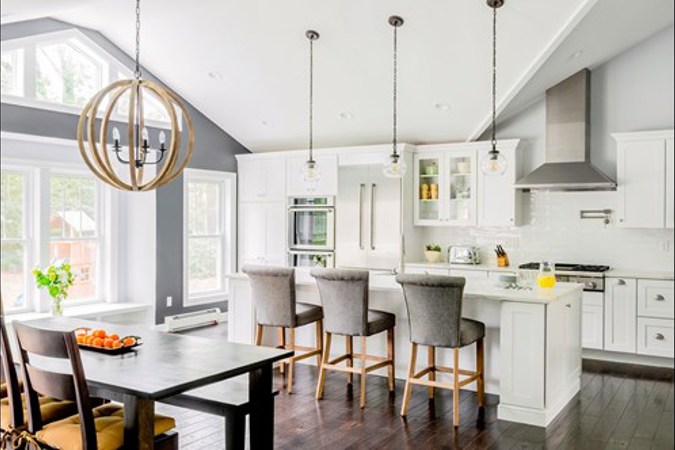
Ambient lighting provides the overall brightness for your kitchen. It’s the base layer that ensures the space is evenly lit and comfortable to work in. Common ambient light sources include ceiling-mounted fixtures, chandeliers, and recessed lights.
Recessed lighting is a popular choice for modern kitchens because it offers a clean, unobtrusive look. These fixtures are installed into the ceiling, providing even illumination without taking up visual space. If you’re considering recessed options, you might want to check out the best kitchen recessed lights for energy efficiency and adjustable color temperatures.
Types of Ambient Fixtures
- Flush Mount Ceiling Lights: Great for low ceilings, these fixtures provide broad, even light.
- Chandeliers and Pendants: Add personality and style, especially over islands or dining areas.
- Recessed Downlights: Offer a streamlined look and can be spaced to eliminate shadows.
When choosing ambient fixtures, consider the size of your kitchen and ceiling height. Dimmers are a smart addition, allowing you to adjust brightness for different times of day or activities.
Task Lighting: Focused Illumination for Work Zones
Task lighting targets specific areas where you need extra visibility, such as countertops, sinks, and cooktops. Properly placed task lights reduce shadows and make detailed work safer and more comfortable.
Under-cabinet lighting is one of the most effective ways to provide direct light on work surfaces. LED strips or puck lights installed beneath upper cabinets cast a bright, even glow on counters, making food prep easier. Adjustable track lighting and pendant lights over islands are also excellent for task zones.
For more ideas on organizing your kitchen for efficiency, see these kitchen remodeling cleaning zone layout ideas.
Popular Task Lighting Options
- Under-Cabinet LEDs: Energy-efficient and easy to install, these lights are ideal for illuminating counters.
- Pendant Lights: Perfect for islands or breakfast bars, pendants add both style and function.
- Track Lighting: Flexible and adjustable, track systems let you direct light exactly where it’s needed.
When planning task lighting, aim for a color temperature between 3000K and 4000K for a natural, bright effect that’s easy on the eyes.
Accent Lighting: Highlighting Features and Adding Depth
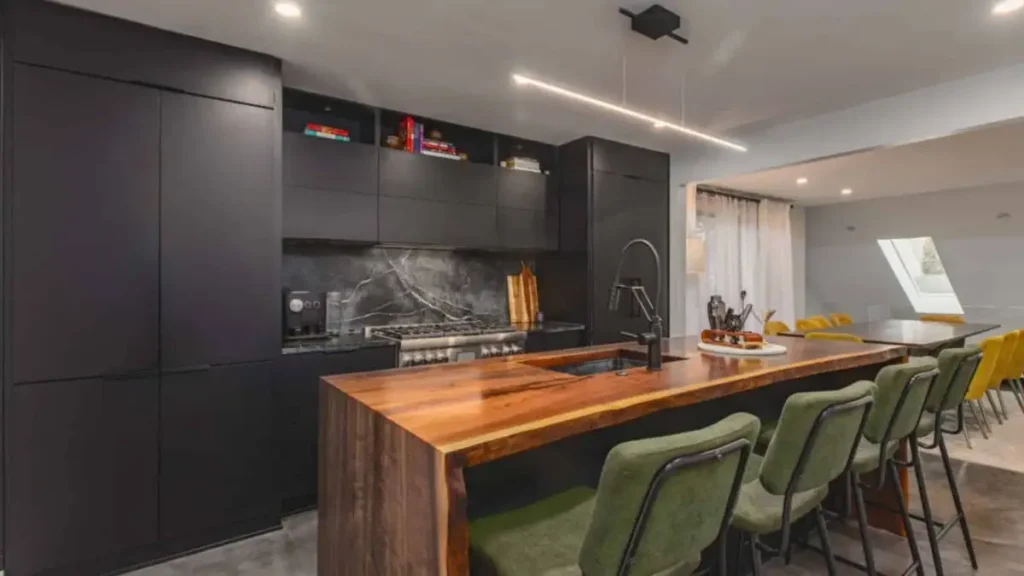
Accent lighting is used to draw attention to architectural details, artwork, or special design elements. While not essential for functionality, it adds depth and visual interest, making your kitchen feel more inviting and custom-designed.
Common accent lighting techniques include toe-kick lights beneath lower cabinets, in-cabinet lighting to showcase glassware, and above-cabinet lights to create a soft glow along the ceiling. These subtle touches can make a big difference in the overall ambiance.
Creative Accent Lighting Ideas
- Toe-Kick Lighting: Adds a soft glow at floor level, enhancing safety and style.
- In-Cabinet Lights: Perfect for glass-front cabinets or open shelving, these lights showcase your favorite items.
- Above-Cabinet Lighting: Creates a sense of height and drama, especially in rooms with high ceilings.
Accent lighting is often used with dimmers or smart controls, allowing you to change the mood for entertaining or relaxing.
Choosing Fixtures and Bulbs for Your Kitchen
Selecting the right fixtures and bulbs is essential for achieving your desired look and performance. Here are some practical tips:
- LED Bulbs: Offer energy savings, long lifespan, and a range of color temperatures.
- Color Temperature: Warm white (2700K–3000K) creates a cozy feel, while cool white (3500K–4100K) is crisp and energizing.
- CRI (Color Rendering Index): Look for bulbs with a CRI of 80 or higher for accurate color representation.
- Dimmable Options: Allow you to adjust brightness for different tasks and times of day.
For more inspiration on matching lighting to your cabinetry and hardware, see the kitchen remodeling hardware style guide.
Integrating Lighting with Kitchen Layout and Style
The best lighting plan is one that complements your kitchen’s layout and overall design. Consider the following:
- Work Triangle: Ensure all key areas—sink, stove, refrigerator—are well lit.
- Zones: Use different lighting types for prep, cooking, dining, and display areas.
- Style Consistency: Choose fixtures that match your kitchen’s aesthetic, whether modern, traditional, or transitional.
If you’re aiming for a cohesive interior, you may find the kitchen remodeling style planning guide helpful for coordinating finishes and fixtures.
Expert Tips for a Successful Lighting Plan
- Layer Your Lighting: Combine ambient, task, and accent sources for flexibility and depth.
- Use Dimmers: Adjust light levels to suit different activities and moods.
- Plan for Natural Light: Maximize windows and skylights, but supplement with artificial lighting for cloudy days and evenings.
- Test Placement: Before final installation, test fixture locations with temporary lights to ensure even coverage and minimize shadows.
- Consult Professionals: Electricians and designers can help you avoid common pitfalls and ensure code compliance.
For a variety of kitchen design ideas and layout options, explore this collection of kitchen design inspirations and layouts from industry experts.
Frequently Asked Questions
What is the best lighting for kitchen work areas?
For work areas like countertops and sinks, task lighting such as under-cabinet LEDs or adjustable track lights is ideal. These provide focused, shadow-free illumination that makes food prep safer and easier.
How can I make my kitchen lighting more energy efficient?
Switching to LED bulbs and fixtures is the most effective way to reduce energy use. LEDs last longer, use less electricity, and are available in a range of styles and color temperatures to suit any kitchen.
Should I use the same type of lighting throughout my kitchen?
No, a mix of ambient, task, and accent lighting creates a more functional and visually appealing kitchen. Layering different types allows you to adjust the lighting for various tasks and moods.