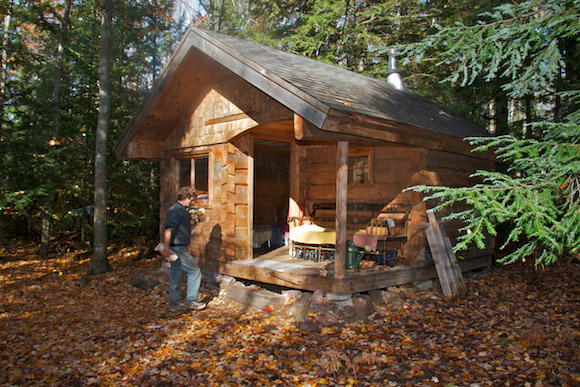
The rise of remote work off-grid is transforming how people approach both their professional and personal lives. For many, the idea of working from a secluded cabin, a homestead, or even a converted van is no longer just a dream—it’s a practical reality. Yet, staying productive and connected while living away from traditional infrastructure presents unique challenges, from internet access to power management and workspace setup.
This article explores the essential tools, strategies, and considerations for anyone looking to maintain a successful career while living off the beaten path. Whether you’re seeking greater independence, a closer connection to nature, or simply a change of pace, understanding how to stay connected and effective is key to making off-grid remote work sustainable.
If you’re also interested in optimizing your living space for productivity, consider exploring kitchen remodeling space optimization tips for ideas that can be adapted to small off-grid workspaces.
Why Choose an Off-Grid Lifestyle for Remote Work?
The appeal of working remotely from an off-grid location is rooted in the desire for autonomy, tranquility, and a deeper relationship with the environment. Many professionals are drawn to this lifestyle for its potential to reduce distractions, lower living costs, and promote sustainability. By disconnecting from the hustle of urban life, individuals can focus more deeply on their work and personal projects.
However, this transition requires careful planning. Reliable power, internet connectivity, and a comfortable workspace are all essential for maintaining productivity. The following sections will outline how to address these core needs while enjoying the benefits of remote work in off-grid settings.
Essential Connectivity Solutions for Off-Grid Workers
Maintaining a stable internet connection is often the biggest hurdle for those living away from traditional infrastructure. Fortunately, several technologies make it possible to stay online almost anywhere.
- Satellite Internet: Services like Starlink and HughesNet offer high-speed connections in remote areas. While initial setup costs can be significant, these solutions provide reliable access for video calls, file transfers, and cloud-based work.
- Cellular Hotspots: Many rural locations have at least some cell coverage. Investing in a high-gain antenna and a dedicated hotspot device can amplify weak signals and provide sufficient bandwidth for most remote work tasks.
- Mesh Networks: For those living in off-grid communities, mesh networks can distribute internet access across multiple homes or workspaces, improving reliability and speed.
It’s important to research coverage maps and test different providers before committing to a solution. Backup options, such as prepaid SIM cards or portable modems, can also help ensure you’re never completely disconnected.
Powering Your Remote Workspace Sustainably
A consistent power supply is crucial for running laptops, routers, and other essential devices. Off-grid workers often rely on renewable energy sources to meet these needs:
- Solar Power: Portable solar panels and battery banks are popular choices for their scalability and ease of installation. Modern solar kits can power a full home office setup, including monitors and lighting.
- Wind Turbines: In windy regions, small-scale turbines can supplement solar systems, especially during cloudy periods.
- Backup Generators: For emergencies or periods of high demand, a fuel-powered generator can provide peace of mind, though it’s best used sparingly to minimize noise and emissions.
Energy efficiency is equally important. Opt for low-power devices, LED lighting, and smart power strips to maximize battery life and reduce overall consumption.
Setting Up a Productive Off-Grid Workspace
Designing a comfortable and functional workspace is essential for long-term success. Here are some practical tips for creating an effective off-grid office:
- Choose the Right Location: Select a spot with natural light, good ventilation, and minimal distractions. If possible, position your desk near a window to enjoy outdoor views and boost your mood.
- Invest in Ergonomics: Use a supportive chair and adjustable desk to prevent strain during long work sessions. Portable laptop stands and external keyboards can help maintain proper posture.
- Organize Your Tools: Keep essential supplies within reach, and use storage solutions to minimize clutter. This is especially important in small or shared spaces.
- Personalize Your Space: Add plants, artwork, or other personal touches to make your workspace inviting and inspiring.
For those interested in design inspiration, kitchen remodeling texture design ideas can offer creative ways to introduce visual interest and comfort into your off-grid office.

Balancing Work and Homestead Responsibilities
Living off-grid often means juggling professional duties with daily homesteading tasks, such as gardening, animal care, and maintenance. Establishing a clear routine helps prevent burnout and ensures that both work and homestead thrive.
- Time Blocking: Schedule focused work sessions and dedicate specific blocks of time to homestead chores. This approach minimizes distractions and helps maintain momentum.
- Leverage Technology: Use task management apps, calendar reminders, and automation tools to stay organized and on track.
- Set Boundaries: Communicate your work hours to family or housemates to minimize interruptions during critical tasks.
For more insights into homesteading, check out this comprehensive guide to homesteading essentials for practical tips and resources.
Security and Privacy Considerations Off the Grid
While remote locations offer privacy, they also present unique security challenges. Protecting your digital and physical assets is crucial:
- Use Strong Passwords: Secure all devices and accounts with complex, unique passwords. Consider a password manager for added convenience.
- Enable Two-Factor Authentication: This extra layer of security helps protect sensitive information, especially when accessing work accounts from public or shared networks.
- Physical Security: Install locks, motion lights, or even simple alarm systems to safeguard your workspace and equipment.
Being proactive about security ensures peace of mind and allows you to focus on your work without unnecessary worry.
Maintaining Productivity and Well-Being
Working remotely in an off-grid environment can be deeply rewarding, but it’s important to prioritize your health and well-being. Here are a few strategies to stay balanced:
- Take Regular Breaks: Step outside, stretch, or tend to your garden to refresh your mind and body.
- Stay Connected: Schedule virtual check-ins with colleagues, friends, or family to combat isolation and maintain social ties.
- Embrace Flexibility: Off-grid living often requires adaptability. Be prepared to adjust your schedule or workflow as needed, especially when dealing with weather or technical issues.
By integrating these habits, you can enjoy the freedom and fulfillment that off-grid remote work offers while remaining productive and healthy.
Frequently Asked Questions
What equipment do I need for reliable off-grid remote work?
At a minimum, you’ll need a laptop or desktop computer, a reliable internet connection (such as satellite or cellular hotspot), a renewable power source (solar panels or wind turbine), and backup batteries. Ergonomic furniture and organizational tools can also enhance your workspace.
How can I improve internet speed in a remote location?
Boosting internet speed off the grid often involves using high-gain antennas, signal boosters, or switching to a satellite provider. Testing different service providers and optimizing your workspace location for signal strength can also make a significant difference.
Is it possible to balance homestead life with a full-time remote job?
Yes, with careful planning and time management, many people successfully combine homesteading with remote employment. Setting clear boundaries, creating a structured schedule, and leveraging technology for both work and homestead tasks are key strategies for success.
Living and working off-grid offers a unique blend of challenges and rewards. By addressing connectivity, power, workspace design, and personal well-being, you can thrive in a remote setting while enjoying the freedom and satisfaction that come with this lifestyle.