Building a self-sufficient homestead is an exciting journey toward independence, resilience, and a closer connection to nature. For those just starting out, the process can seem overwhelming, but with the right planning and practical steps, anyone can create a thriving, sustainable home environment. This guide covers the essential elements for beginners, from land selection and food production to energy solutions and daily routines.
Whether you dream of growing your own vegetables, raising chickens, or reducing reliance on outside resources, the path to self-reliance is filled with rewarding challenges and valuable lessons. Before diving into the core principles, it’s helpful to explore related topics that can enhance your homestead, such as kitchen remodeling space optimization tips for making the most of your food preparation area.
Getting Started: Choosing the Right Land
The foundation of a successful homestead lies in selecting the right piece of land. Consider factors such as soil quality, water availability, climate, and proximity to resources. Ideally, look for a property with:
- Fertile soil for gardening and crops
- Reliable water sources, such as a well, stream, or rainwater catchment
- Sun exposure for growing food and generating solar power
- Enough space for animals, gardens, and future expansion
Research local zoning laws and restrictions before purchasing. Some areas have regulations on livestock, building structures, or water usage that could impact your plans.
Essential Skills for Homestead Self-Reliance
Developing a core set of skills is crucial for anyone pursuing a more independent lifestyle. Here are some of the most valuable abilities for beginners:
- Gardening and food preservation: Learn to grow vegetables, fruits, and herbs, and preserve harvests through canning, drying, or fermenting.
- Animal husbandry: Raising chickens, goats, or bees can provide eggs, milk, meat, and honey.
- Basic carpentry and repairs: Building sheds, fences, and simple structures saves money and increases resilience.
- Water management: Collecting rainwater, filtering water, and maintaining irrigation systems are key for sustainability.
- Renewable energy basics: Understanding solar panels, wind turbines, or wood stoves can help reduce utility dependence.

Food Production: Growing and Raising Your Own
One of the most rewarding aspects of homesteading is producing your own food. Start small and expand as you gain confidence. Consider these approaches:
Vegetable Gardens and Raised Beds
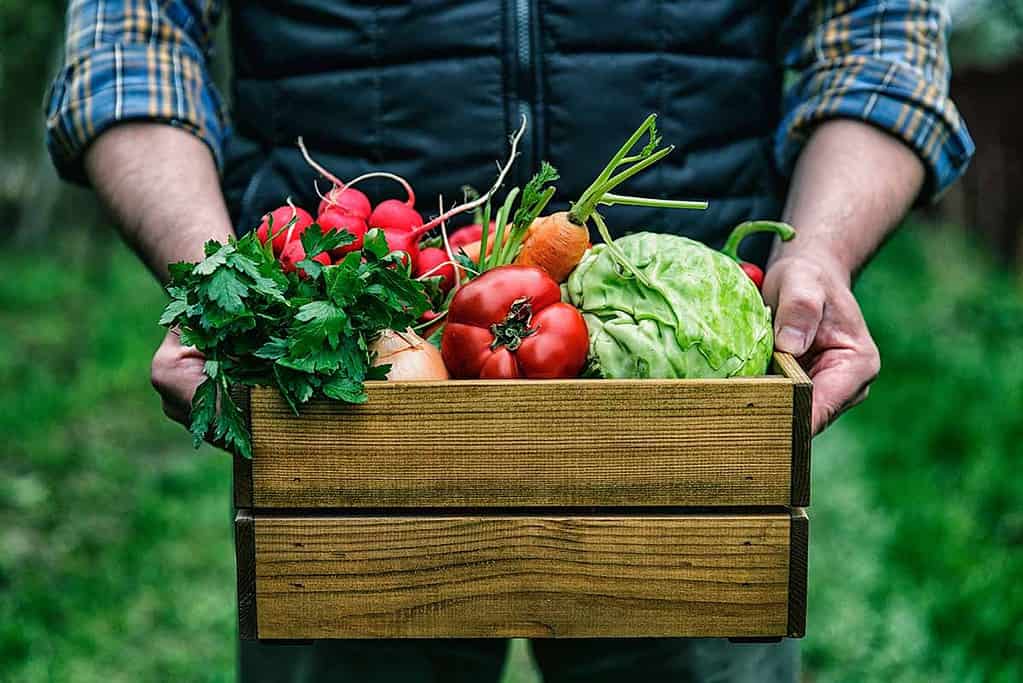
Raised beds are ideal for beginners, offering better soil control, easier maintenance, and improved drainage. Start with staple crops like tomatoes, beans, lettuce, and carrots. Rotate crops each season to maintain soil health and prevent pests.
Fruit Trees and Perennials
Planting fruit trees, berry bushes, and perennial herbs provides long-term yields with less effort after establishment. Choose varieties suited to your climate and soil conditions.
Backyard Livestock
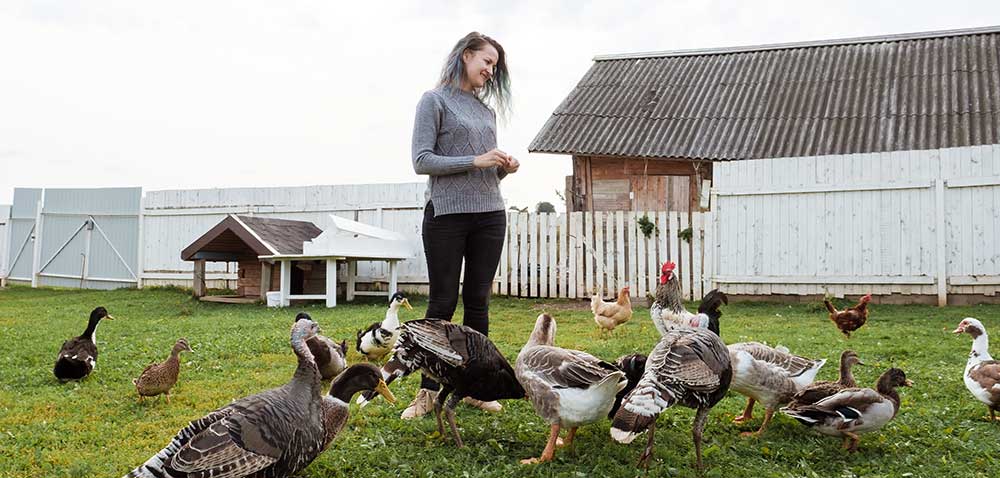
Chickens are a popular choice for fresh eggs and natural pest control. Goats can supply milk and help manage brush. Bees offer honey and pollination benefits. Start with a manageable number of animals and ensure you have secure, humane housing for each species.

Water, Energy, and Waste Management for Homesteads
Managing resources efficiently is a cornerstone of homestead sustainability. Here’s how to approach each area:
Water Collection and Conservation
Install rain barrels or cisterns to capture runoff from roofs. Use drip irrigation systems to minimize waste and deliver water directly to plant roots. Regularly test well or surface water for safety.
Renewable Energy Options
Solar panels are a practical choice for off-grid electricity. Even a small setup can power lights, charge devices, and run essential appliances. Wood stoves provide heat and cooking options, while wind turbines may be viable in certain locations.
Composting and Waste Reduction
Composting kitchen scraps and yard waste creates valuable fertilizer for gardens. Reduce landfill contributions by recycling, reusing materials, and minimizing single-use items.
Daily Routines and Planning for Success
Establishing routines helps keep your homestead running smoothly. Create a seasonal calendar for planting, harvesting, animal care, and maintenance tasks. Track expenses and yields to identify areas for improvement. Involve all household members in chores and decision-making to share the workload and foster a sense of ownership.
For those interested in maximizing efficiency inside the home, integrating kitchen remodeling visual balance tips can make food preparation and preservation more enjoyable and productive.
Budgeting and Living Within Your Means
Starting a homestead doesn’t require a large investment. Many people begin with small gardens or a few chickens and expand as resources allow. Repurpose materials, buy used equipment, and barter with neighbors to save money. For inspiration on low-cost living, check out this comprehensive guide to living off the grid with minimal expenses.
Common Challenges and How to Overcome Them
Every homesteader faces obstacles, especially in the early stages. Here are some frequent challenges and practical solutions:
- Pest and wildlife issues: Use fencing, netting, and companion planting to protect crops and animals.
- Time management: Prioritize tasks and accept that not everything will go as planned. Start small and scale up gradually.
- Learning curve: Expect setbacks and treat them as learning opportunities. Connect with local homesteading groups or online communities for advice and support.
- Resource limitations: Focus on projects that offer the greatest return for your investment of time and money.
Expanding Your Homestead Skills
Once you’ve mastered the basics, consider branching out into new areas such as:
- Seed saving and heirloom gardening
- Soap making, fiber arts, or woodworking
- Advanced animal care, such as breeding or dairy processing
- Permaculture design for long-term sustainability
Continual learning is part of the homesteading lifestyle. Attend workshops, read books, and experiment with new methods to keep improving your self-sufficiency.
FAQ
What is the most important first step for new homesteaders?
Start by assessing your land and resources, then focus on one or two manageable projects, such as a small garden or a few chickens. Building confidence and skills gradually leads to long-term success.
How much land do I need to be self-sufficient?
The amount of land required depends on your goals. Many families produce a significant portion of their food on as little as a quarter-acre, while others prefer several acres for livestock and larger gardens.
Can I homestead in an urban or suburban area?
Yes, self-reliant living is possible in cities and suburbs. Container gardening, vertical gardens, and small livestock like rabbits or chickens can all contribute to a more independent lifestyle, even with limited space.