
Refreshing your kitchen goes beyond new appliances or a fresh coat of paint. The right mix of textures can transform your space, making it feel more inviting, layered, and visually dynamic. Whether you’re planning a full renovation or a simple update, incorporating a variety of tactile surfaces is a powerful way to create depth and personality. In this guide, you’ll discover practical kitchen remodeling texture design ideas that can elevate your kitchen’s style and functionality.
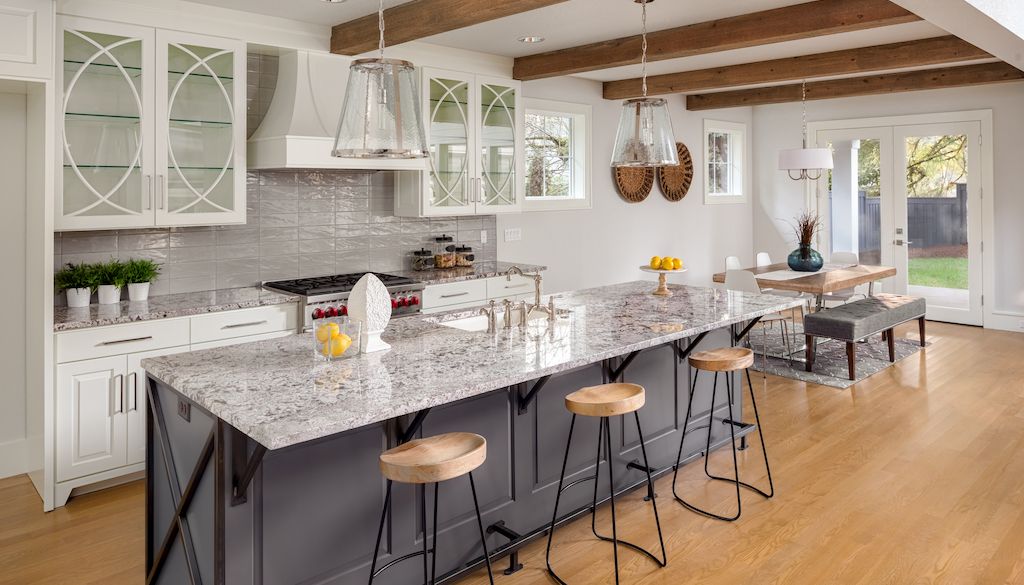
Adding texture isn’t just about aesthetics—it also enhances the sensory experience of your kitchen. From rough-hewn wood beams to sleek glass tiles, the interplay of different materials can turn an ordinary room into a standout space. If you’re also interested in maximizing your kitchen’s layout, consider exploring kitchen remodeling space optimization tips for small kitchens to complement your textural upgrades.
Why Texture Matters in Kitchen Design
Texture is a crucial element in interior design, especially in kitchens where surfaces dominate the visual field. Smooth countertops, glossy cabinets, and shiny appliances can sometimes make a kitchen feel cold or sterile. Introducing a mix of textures—such as matte finishes, natural stone, or woven fabrics—adds warmth and interest. These tactile contrasts help balance the space, making it feel more comfortable and visually engaging.
Texture also plays a functional role. For example, slip-resistant tiles are safer for kitchen floors, while textured cabinet fronts can hide fingerprints and smudges. By thoughtfully combining different materials, you can achieve both beauty and practicality in your remodel.
Inspiring Surface Combinations for Modern Kitchens
When brainstorming kitchen remodeling texture design ideas, start by identifying the main surfaces in your kitchen: floors, walls, backsplashes, countertops, cabinetry, and accents. Here are some effective combinations to consider:
- Matte and Glossy Finishes: Pairing matte cabinetry with glossy subway tiles creates a sophisticated contrast that catches the eye.
- Natural Wood and Stone: Exposed wood beams or butcher block countertops alongside stone backsplashes add organic warmth and a rustic touch.
- Metal Accents: Brushed brass handles, stainless steel appliances, or copper pendant lights introduce subtle shine and industrial flair.
- Textured Tiles: Three-dimensional or patterned tiles on the backsplash or floor can become a focal point without overwhelming the space.
- Glass and Concrete: Combining glass-front cabinets with concrete countertops offers a modern, urban vibe with plenty of visual interest.

Creative Ways to Layer Texture in Your Kitchen
There are countless ways to layer texture for a more inviting kitchen. Here are some practical approaches:
Backsplashes with Depth and Dimension
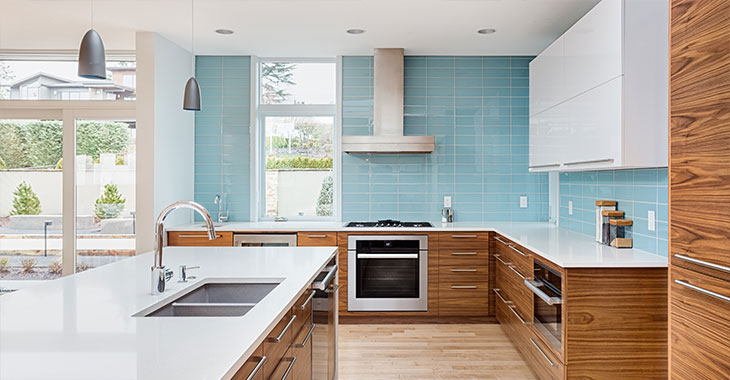
Instead of standard flat tiles, consider three-dimensional or hand-crafted tiles for your backsplash. These options reflect light differently and add subtle shadow play. For a classic look, try beveled subway tiles. For something more contemporary, geometric or sculpted tiles can make a bold statement.
Cabinetry with Character
Cabinet doors offer a prime opportunity to introduce texture. Shaker-style cabinets, beadboard panels, or even reeded glass inserts can break up flat surfaces. For a more dramatic effect, mix materials—such as pairing wood-grain lower cabinets with smooth, painted uppers. For more inspiration on cabinetry, see these kitchen remodeling cabinet color ideas to refresh your space.
Countertops That Stand Out
Natural stone, such as granite or quartzite, brings unique veining and a tactile feel to your kitchen. Honed or leathered finishes offer a softer, matte look compared to polished surfaces. Concrete countertops can be customized with embedded aggregates or subtle texturing for a one-of-a-kind appearance.
Accents and Accessories for Added Texture
Small details can make a big difference in the overall feel of your kitchen. Consider these ideas for introducing more tactile variety:
- Open Shelving: Wooden or metal open shelves display textured dishware, baskets, and plants, adding both function and style. For more on this trend, check out these kitchen remodeling open shelving ideas for modern kitchens.
- Textile Touches: Layer in woven rugs, linen curtains, or upholstered bar stools for softness and comfort.
- Lighting Fixtures: Rattan pendants, hammered metal sconces, or frosted glass shades introduce new surfaces and visual interest.
- Hardware and Fixtures: Mix and match knobs, pulls, and faucets in different finishes—such as matte black, brushed gold, or antique bronze—for subtle contrast.
Tips for Balancing Texture in Your Kitchen Remodel
While layering texture is key to a dynamic kitchen, balance is essential. Too many competing surfaces can feel chaotic, while too few can seem flat. Here are some tips for achieving harmony:
- Limit Your Palette: Choose two or three main textures and repeat them throughout the space for a cohesive look.
- Contrast Bold with Subtle: Pair dramatic elements (like a stone feature wall) with more understated finishes to avoid overwhelming the room.
- Consider Light: Natural and artificial lighting can enhance or soften the appearance of textured surfaces. Layered lighting helps highlight your design choices.
- Test Samples: Always view material samples together in your kitchen’s lighting before making final decisions.
For more advice on achieving a harmonious look, see these kitchen remodeling visual balance tips for a well-designed space.
Expert Advice and Inspiration
If you’re looking for additional inspiration, there are plenty of resources available. For a comprehensive overview of remodeling options, visit this collection of kitchen remodeling ideas that covers trends, materials, and expert tips. Remember, the best designs reflect your personal style while also meeting your practical needs.
Frequently Asked Questions
How do I choose the right textures for my kitchen remodel?
Start by considering the overall style you want—modern, rustic, transitional, or eclectic. Select a few key materials that complement each other, such as wood, stone, or metal. Test samples in your kitchen’s lighting and combine both smooth and tactile surfaces for balance.
Can I mix different metals and finishes in my kitchen?
Yes, mixing metals can add depth and interest. Stick to two or three finishes and repeat them in different areas, such as cabinet hardware, lighting, and faucets, to create a cohesive look without clashing.
What are some easy ways to add texture without a full renovation?
Swap out cabinet hardware, add a textured backsplash, introduce open shelving, or layer in textiles like rugs and curtains. Even small changes, like new lighting fixtures or bar stools, can make a noticeable impact.