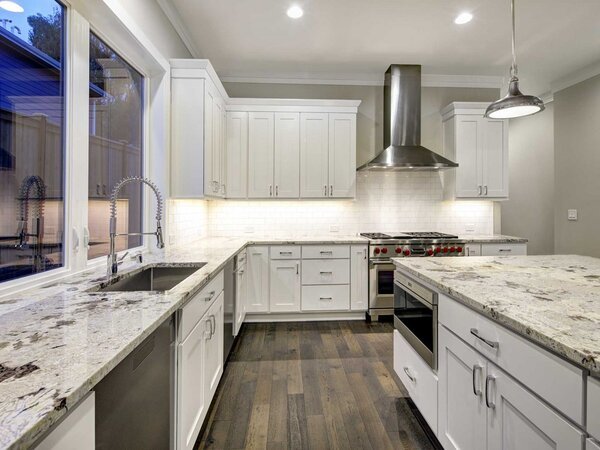

Maximizing every inch is essential when working with a compact kitchen. Whether you’re planning a full renovation or a simple refresh, applying practical kitchen remodeling space optimization tips can dramatically improve both function and style. Smart design choices, clever storage solutions, and a focus on visual openness can help you create a kitchen that feels larger and works better for your daily needs.
Before diving into specific strategies, it’s helpful to explore related design concepts. For example, achieving a sense of harmony and balance can make even the smallest kitchens feel more inviting. If you’re interested in design principles that enhance visual flow, check out these kitchen remodeling visual balance tips for more inspiration.
Smart Layout Planning for Maximum Efficiency
One of the most effective ways to enhance a small kitchen is through thoughtful layout planning. The classic work triangle—connecting the sink, stove, and refrigerator—remains a reliable guideline. However, in tight spaces, it’s important to adapt this concept to fit your unique floor plan.
- Galley kitchens benefit from keeping appliances and storage on opposite walls, reducing unnecessary movement.
- L-shaped layouts can open up floor space and create a natural flow between prep, cooking, and cleaning zones.
- Consider removing or reducing upper cabinets on one wall to introduce open shelving or a window, which can make the room feel less confined.
When planning your remodel, prioritize accessibility and clear pathways. Avoid overcrowding the space with oversized appliances or bulky cabinetry. Instead, opt for compact, multifunctional pieces that serve more than one purpose.
Creative Storage Solutions for Small Kitchens
Storage is often the biggest challenge in a compact kitchen. Fortunately, there are numerous ways to add storage without making the space feel cramped. Here are some proven kitchen remodeling space optimization tips focused on storage:
- Pull-out pantry shelves make use of narrow gaps and provide easy access to dry goods.
- Deep drawers can replace lower cabinets, making it easier to organize pots, pans, and small appliances.
- Install open shelving for frequently used items, freeing up cabinet space for less attractive essentials.
- Use the inside of cabinet doors for spice racks, utensil hooks, or small baskets.
- Consider toe-kick drawers beneath base cabinets for storing flat items like baking sheets or cutting boards.
Custom cabinetry can also help maximize awkward corners and vertical space. If you’re updating your cabinet finishes, explore these kitchen remodeling cabinet color ideas to refresh your space while boosting storage.
Choosing Multifunctional Fixtures and Appliances
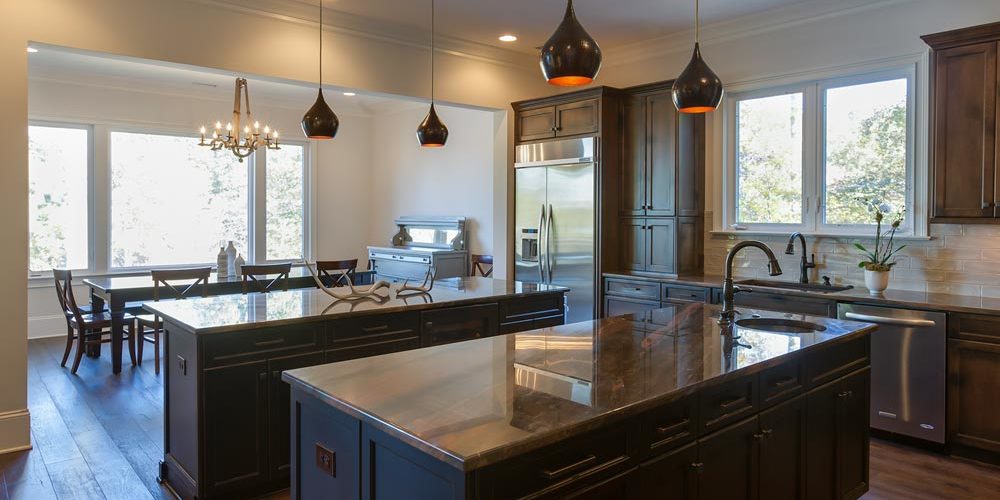
For small kitchens, every fixture and appliance should earn its place. Look for compact, multifunctional options that save space without sacrificing performance:
- Combination microwave/convection ovens can replace separate appliances.
- Counter-depth refrigerators align with cabinetry for a streamlined look.
- Install a sink with built-in accessories like cutting boards or colanders to maximize prep space.
- Opt for a pull-down or touchless faucet to enhance both convenience and hygiene.
Lighting also plays a crucial role. Recessed LED fixtures and under-cabinet lighting can brighten work areas without taking up valuable space. For more ideas on modern hardware and fixtures, see this kitchen remodeling hardware style guide.
Visual Tricks to Make Small Kitchens Feel Larger
Beyond physical changes, certain design techniques can help your kitchen appear more spacious. Here are some effective strategies:
- Light colors on walls, cabinets, and backsplashes reflect more light and create an airy atmosphere.
- Glossy finishes on cabinetry or tile can bounce light around the room.
- Choose handleless cabinetry or integrated pulls to maintain clean lines—explore more handleless kitchen design ideas for inspiration.
- Install a mirrored backsplash or glass cabinet doors to add depth.
- Keep countertops clutter-free to maintain a sense of openness.
Strategically placed lighting, such as recessed ceiling lights or LED strips under shelves, can further enhance the feeling of space. For a comprehensive approach to planning your renovation, review this step-by-step guide to kitchen remodeling planning, budgeting, and executing your dream kitchen.
Small Kitchen Remodeling: Common Mistakes to Avoid
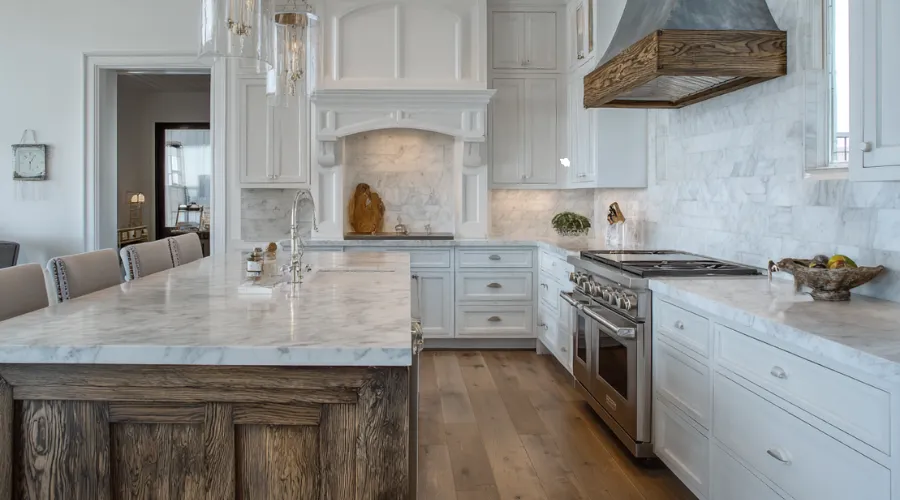
While optimizing your kitchen, it’s important to steer clear of common pitfalls that can make the space feel even smaller:
- Overcrowding with too many cabinets or large appliances
- Neglecting vertical storage opportunities
- Choosing dark or overly busy finishes that absorb light
- Ignoring lighting, which can leave corners shadowed and uninviting
- Failing to plan for adequate countertop workspace
By focusing on efficiency, simplicity, and light, you can avoid these issues and create a kitchen that feels open and functional.
FAQ
What are the best ways to add storage in a small kitchen?
Maximize storage by using pull-out pantry shelves, deep drawers, open shelving, and the inside of cabinet doors for racks or hooks. Consider custom cabinetry to utilize every inch, including toe-kick drawers and vertical spaces above cabinets.
How can I make my small kitchen look bigger?
Use light colors, glossy finishes, and handleless cabinetry to create a sense of openness. Incorporate mirrors or glass elements, keep countertops clear, and install ample lighting to brighten the space and visually expand the room.
Which appliances are best for compact kitchens?
Choose appliances that are compact and multifunctional, such as combination microwave/convection ovens and counter-depth refrigerators. Sinks with integrated accessories and space-saving faucets also help maximize functionality in a small footprint.