Living off the grid is no longer limited to rustic cabins and manual labor. Thanks to advances in smart tech for off-grid homes, it’s now possible to enjoy modern comforts, boost efficiency, and reduce your environmental impact while maintaining independence from traditional utilities. Whether you’re building a new homestead or upgrading an existing one, understanding which technologies make the biggest difference can help you create a more resilient and enjoyable lifestyle.
This guide explores the essential smart solutions for energy, water, food production, and home management. You’ll also find practical tips for integrating these tools, plus resources for further reading. For those interested in optimizing every corner of their living space, check out kitchen remodeling compact kitchen ideas to make the most of small homestead kitchens.

Why Embrace Smart Technology in Off-Grid Living?
Integrating intelligent systems into your off-grid home can dramatically improve daily life. These technologies automate routine tasks, monitor critical systems, and provide real-time insights, all while conserving resources. The result is a home that’s not only more comfortable but also more sustainable and secure.
- Efficiency: Automated controls reduce waste and optimize energy use.
- Convenience: Remote monitoring and control save time and effort.
- Resilience: Advanced alerts and diagnostics help prevent failures before they become critical.
With the right setup, you can focus more on enjoying your homestead and less on troubleshooting or manual adjustments.
Energy Management Solutions for Off-Grid Homes
Power is the backbone of any modern homestead. Smart energy management systems are designed to maximize the output of solar panels, wind turbines, and battery banks. These tools help you track consumption, schedule loads, and even predict future needs based on weather or usage patterns.
- Smart Inverters: These devices convert and regulate power from renewable sources, often with app-based controls for real-time monitoring.
- Battery Management Systems (BMS): A BMS protects your batteries from overcharging or deep discharge, extending their lifespan and ensuring reliable power.
- Automated Load Controllers: These systems prioritize essential appliances and shed non-critical loads during low production periods.
Some advanced setups integrate weather forecasts to anticipate cloudy days and adjust energy usage accordingly. This proactive approach ensures you always have enough power for your most important needs.
Water Conservation and Smart Irrigation
Water is precious on any off-grid property. Smart water management tools can help you monitor tank levels, detect leaks, and automate irrigation based on soil moisture and weather data. These systems ensure your gardens and livestock receive the right amount of water without waste.
- Wireless Tank Monitors: Sensors send real-time data to your phone, alerting you when water levels are low or if there’s a leak.
- Automated Irrigation Controllers: These devices adjust watering schedules based on rainfall, temperature, and soil conditions.
- Greywater Recycling Systems: Smart controls direct used water from sinks and showers to irrigate gardens safely and efficiently.
By combining these technologies, off-grid homeowners can maintain lush gardens and healthy livestock while minimizing their environmental footprint.
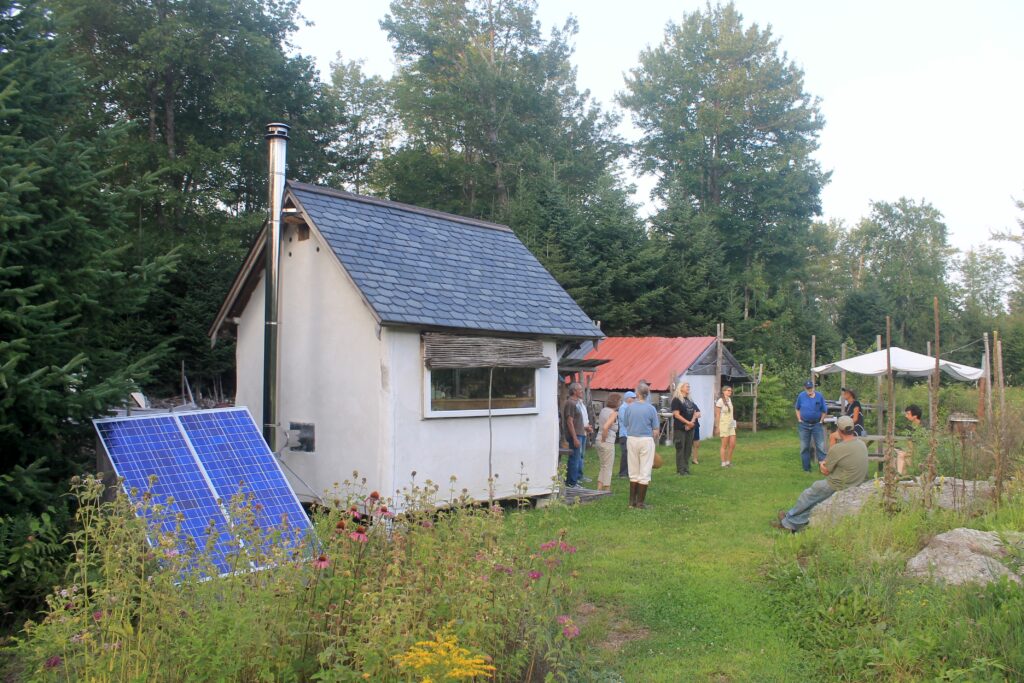
Smart Food Production and Garden Automation
Growing your own food is a cornerstone of off-grid living. Today’s smart garden tools help you maximize yields and minimize labor. Automated greenhouses, climate sensors, and app-controlled watering systems make it easier than ever to maintain a productive homestead garden.
- Climate Sensors: Track temperature, humidity, and light levels to optimize plant health.
- Automated Ventilation: Smart fans and window openers regulate greenhouse conditions for ideal growth.
- App-Based Garden Planners: These tools help you schedule planting, track harvests, and manage crop rotation for year-round productivity.
For those interested in expanding their growing space, raised beds are a popular choice. They’re easy to install and can be paired with smart irrigation for hands-off maintenance.

Home Automation and Security for Remote Properties
Keeping your home safe and comfortable is just as important off the grid as it is in the city. Smart home hubs, wireless cameras, and automated lighting can all be powered by your renewable energy system. These tools provide peace of mind and allow you to monitor your property from anywhere.
- Wireless Security Cameras: Battery-powered and Wi-Fi-enabled, these cameras offer live feeds and motion alerts directly to your phone.
- Smart Locks and Entry Sensors: Control access to your home or outbuildings and receive alerts if doors or windows are opened unexpectedly.
- Automated Lighting: Schedule lights to turn on at dusk or when motion is detected, deterring intruders and saving energy.
Some systems can even integrate with weather stations to close windows or activate fans automatically during storms or heat waves.
Integrating Smart Tech for Off-Grid Homes: Practical Tips
Adding intelligent systems to a remote property requires careful planning. Here are some best practices for a smooth transition:
- Start with the Basics: Focus on energy and water management first, as these are critical for daily life.
- Choose Compatible Devices: Look for products that can communicate with each other, ideally through a central hub or app.
- Plan for Power Outages: Ensure your most important systems have backup power or manual overrides.
- Monitor and Adjust: Use data from your smart devices to fine-tune settings and improve efficiency over time.
For a deeper dive into the realities of off-grid living, including what to expect and how to prepare, see this comprehensive guide to off-grid homesteading.
Common Challenges and How to Overcome Them
While the benefits are significant, there are some hurdles to adopting smart technology on remote properties:
- Connectivity: Many smart devices require Wi-Fi or cellular data. Consider installing a reliable internet solution, such as a satellite or long-range wireless system.
- Power Consumption: Choose energy-efficient devices and monitor their impact on your overall system.
- Maintenance: Keep firmware updated and have spare parts on hand for critical components.
By planning ahead and choosing robust, off-grid-friendly products, you can minimize downtime and maximize the benefits of your investment.
FAQ: Smart Solutions for Off-Grid Properties
What are the most important smart technologies for off-grid homes?
The most critical include energy management systems, water monitoring tools, and automated security devices. These provide the foundation for a safe, efficient, and comfortable lifestyle away from traditional utilities.
Can smart home devices work without a constant internet connection?
Many smart devices offer local control via Bluetooth or Zigbee, but remote monitoring and updates typically require internet access. For truly remote properties, consider hybrid systems that work both online and offline.
How do I ensure my smart tech is compatible with solar or wind power?
Look for low-voltage, energy-efficient devices and check that they can operate on DC or through your inverter. Prioritize products designed for off-grid or backup power scenarios to avoid compatibility issues.
Conclusion
Modern smart tech for off-grid homes empowers homeowners to live more comfortably and sustainably, even in the most remote locations. By integrating intelligent energy, water, food, and security systems, you can reduce manual labor, increase resilience, and enjoy the best of both worlds: independence and convenience. As technology continues to evolve, off-grid living will only become more accessible and rewarding.