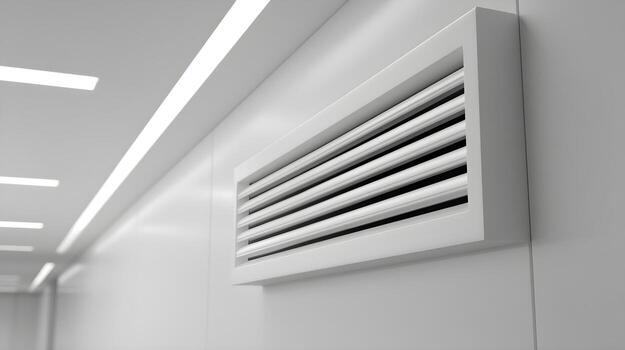

Concrete houses are known for their durability, energy efficiency, and sound insulation. However, the same airtightness and solid construction that make them so resilient can also create challenges for indoor air quality. Ventilation in concrete homes is essential for maintaining a healthy, comfortable living environment. Proper airflow helps control humidity, remove indoor pollutants, and prevent issues like mold growth and stale air.
Whether you’re building a new concrete residence or upgrading an existing one, understanding the unique ventilation needs of these structures is crucial. This article explores why air exchange is so important in concrete buildings, the best strategies for achieving it, and how to select the right systems for your needs.
For those interested in optimizing other areas of the home, such as achieving kitchen remodeling visual balance tips, integrating ventilation solutions can also contribute to a more harmonious and healthy space.
Why Airflow Matters in Solid Concrete Structures
Unlike wood-framed houses, concrete walls and slabs are virtually impermeable to air and moisture. While this reduces drafts and heat loss, it also means that natural air exchange is minimal. Without intentional airflow, indoor air can become stagnant, trapping moisture, odors, and contaminants inside.
- Humidity Control: Everyday activities like cooking, showering, and even breathing add moisture to the air. In a tightly sealed concrete home, humidity can quickly build up, increasing the risk of condensation and mold.
- Pollutant Removal: Volatile organic compounds (VOCs), dust, and allergens accumulate without adequate ventilation. This can impact respiratory health and overall comfort.
- Temperature Regulation: Good airflow helps distribute heat and cool air more evenly, supporting energy efficiency and reducing hot or cold spots.
Addressing these issues is especially important in modern concrete homes, which often feature high-performance windows and insulation that further reduce natural air leakage.
Types of Ventilation Systems for Concrete Homes
There are several approaches to improving ventilation in concrete homes. The right solution depends on your climate, budget, and the specific design of your house.
Natural Ventilation
Natural airflow relies on strategically placed windows, vents, and openings to allow fresh air in and stale air out. While this method is energy-efficient and low-cost, it can be less effective in airtight concrete structures or in areas with extreme weather.
- Operable windows and transoms
- Trickle vents integrated into window frames
- Cross-ventilation through opposite-facing openings
Mechanical Ventilation
Mechanical systems actively move air in and out of the home, ensuring consistent air exchange regardless of outdoor conditions. Common options include:
- Exhaust Fans: Installed in kitchens, bathrooms, or laundry rooms, these remove humid or polluted air directly from the source.
- Whole House Fans: These draw fresh air in through open windows and expel hot, stale air through the attic or roof.
- Heat Recovery Ventilators (HRVs) and Energy Recovery Ventilators (ERVs): These advanced systems exchange indoor and outdoor air while capturing heat (and sometimes moisture), improving efficiency.
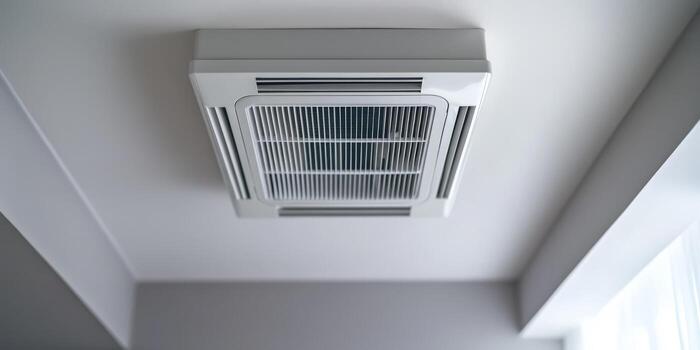
Key Considerations for Air Quality in Concrete Homes
When planning or upgrading airflow systems in concrete dwellings, keep these factors in mind:
- Air Tightness: The more airtight the structure, the more important it is to have a deliberate ventilation strategy. Relying on accidental leaks is not effective or healthy.
- Moisture Management: Use exhaust fans in high-moisture areas and consider dehumidifiers if humidity remains high.
- Filtration: Mechanical systems should include filters to capture dust, pollen, and other particles. Upgrading to HEPA or carbon filters can further improve indoor air quality.
- Energy Efficiency: HRVs and ERVs help maintain comfortable temperatures while providing fresh air, reducing heating and cooling costs.
For a deeper understanding of home ventilation, check out this comprehensive guide to home ventilation that covers system types, benefits, and maintenance tips.
Best Practices for Installing Ventilation in Concrete Houses
Proper installation is critical for effective air exchange in concrete structures. Here are some best practices:
- Plan Early: Integrate ventilation design during the planning phase of new construction or major renovations. Retrofitting can be more challenging and costly.
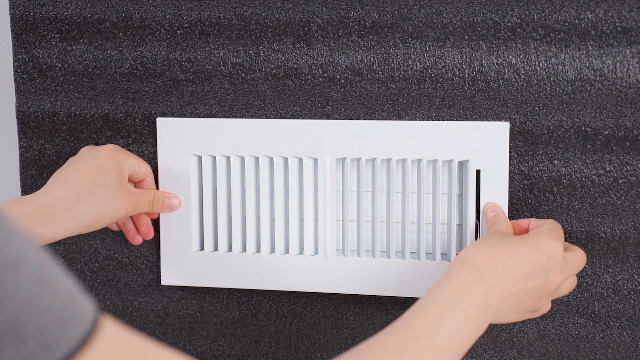
- Seal Penetrations: When installing ducts or vents, ensure all wall and ceiling penetrations are properly sealed to prevent unwanted air or moisture leaks.
- Balance Supply and Exhaust: A balanced system brings in as much fresh air as it expels, avoiding pressure imbalances that could draw in contaminants from garages, crawlspaces, or attics.
- Regular Maintenance: Clean or replace filters as recommended, and inspect fans and ducts for dust buildup or blockages.
In addition to these steps, consider how airflow integrates with other home design elements. For example, optimizing kitchen layouts for both function and air quality can be explored in resources like kitchen remodeling symmetry vs asymmetry design.
Common Challenges and Solutions
While concrete homes offer many benefits, their construction can make airflow upgrades more complex. Here are some common challenges and how to address them:
- Retrofitting Ductwork: Running new ducts through solid walls or slabs is difficult. Surface-mounted ducting or ceiling-based systems can be alternatives.
- Condensation on Cold Surfaces: Without proper airflow, moisture can condense on cool concrete, leading to damp patches or mold. Use exhaust fans and keep humidity in check.
- Noise Transmission: Concrete blocks sound, but mechanical fans can introduce noise. Choose quiet models and install vibration dampers where possible.
For small spaces or specific rooms, portable air purifiers and spot ventilation can supplement whole-house solutions. If you’re optimizing a compact kitchen, for example, you might find ideas in kitchen remodeling compact kitchen ideas that can be adapted for airflow improvements.
FAQs About Ventilating Concrete Houses
How often should ventilation filters be replaced in a concrete home?
Filters in mechanical systems should be checked every 1–3 months and replaced as needed. High-efficiency filters may need more frequent changes, especially if you have pets or allergies.
Can I rely on opening windows for fresh air in a concrete house?
While opening windows can help, it may not provide consistent or adequate airflow, especially in tightly sealed homes or during extreme weather. Mechanical systems ensure reliable air exchange year-round.
What’s the best way to control humidity in a concrete home?
Use exhaust fans in bathrooms and kitchens, maintain your ventilation system, and consider a dehumidifier if you notice persistent moisture or condensation. Proper airflow is key to managing humidity.
Conclusion
Maintaining healthy indoor air is a top priority in concrete houses. By understanding the unique needs of these structures and implementing effective airflow solutions, you can enjoy all the benefits of concrete construction without sacrificing comfort or well-being. Whether you opt for natural, mechanical, or hybrid systems, regular maintenance and thoughtful design will help ensure your home remains fresh, dry, and energy-efficient for years to come.