

Building a net-zero home is an exciting and rewarding way to reduce your environmental impact, lower energy bills, and create a comfortable living space. For those new to this concept, understanding the fundamentals of net-zero construction is essential before starting your project. This article offers a practical overview, breaking down the essential steps, technologies, and decisions involved in creating a highly efficient, sustainable home from the ground up.
Whether you’re planning your first build or simply exploring sustainable living, this net-zero home construction guide for beginners will help you navigate the process. We’ll cover the core principles, design strategies, and critical considerations so you can confidently start your journey toward a zero-energy lifestyle.
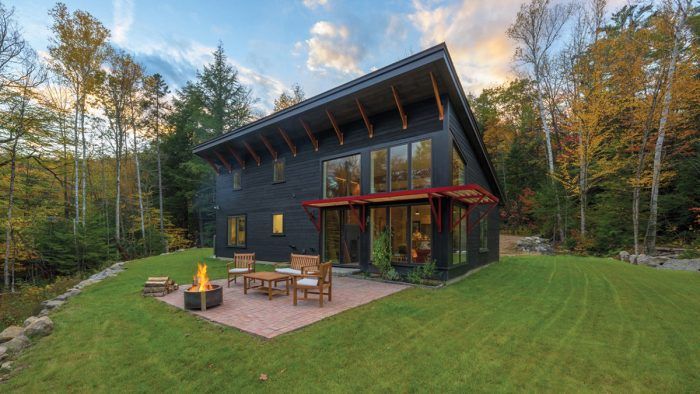
For a deeper dive into the foundational concepts, check out net-zero house design basics for an introduction to the essential principles that guide energy-efficient home building.
What Does Net-Zero Mean in Home Construction?
A net-zero home is designed and built to produce as much energy as it consumes over the course of a year. This is achieved through a combination of energy-efficient construction, advanced building materials, and on-site renewable energy generation. The ultimate goal is to minimize energy waste and offset any remaining consumption with clean energy sources, such as solar panels.
Key characteristics of a net-zero dwelling include:
- High-performance insulation and airtight building envelopes
- Efficient windows and doors to reduce heat loss
- Advanced heating, cooling, and ventilation systems
- On-site renewable energy generation (typically solar PV)
- Smart energy monitoring and management
Core Steps in the Net-Zero Home Construction Process
Embarking on a net-zero build involves several critical phases. Here’s a step-by-step overview to help you plan your project:
1. Set Clear Goals and Budget
Begin by defining your sustainability objectives and setting a realistic budget. Factor in the costs of high-performance materials, renewable energy systems, and potential incentives or rebates. Early planning ensures your project remains feasible and aligned with your values.
2. Assemble the Right Team
Work with professionals experienced in sustainable design and construction. This might include architects, builders, and energy consultants who understand the unique requirements of net-zero projects. Their expertise will help you avoid costly mistakes and maximize efficiency.
3. Optimize Home Design for Efficiency
Effective design is the foundation of a successful net-zero build. Consider:
- Building orientation to maximize passive solar gain
- Compact, simple shapes to reduce surface area and energy loss
- Strategic window placement for natural light and ventilation
- Shading elements to prevent overheating in summer
For a detailed, step-by-step approach, refer to how to build a net-zero home, which covers each phase from site selection to final commissioning.
4. Choose High-Performance Materials and Systems
Invest in advanced insulation, energy-efficient windows, and airtight construction techniques. Select heating and cooling systems with high efficiency ratings, such as heat pumps or energy recovery ventilators. These choices are crucial for minimizing energy demand.
5. Integrate Renewable Energy Solutions
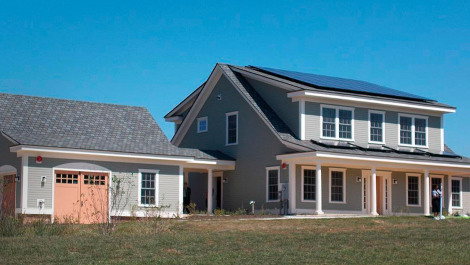
Most net-zero homes rely on rooftop solar photovoltaic (PV) systems to generate electricity. Depending on your location and budget, you may also consider solar thermal, wind, or geothermal systems. Work with your design team to size your renewable energy system appropriately for your projected energy use.
Essential Technologies for Net-Zero Living
Modern net-zero construction leverages several innovative technologies to achieve ultra-low energy use. Here are some of the most important:
- Energy Monitoring Systems: Devices like the Emporia Vue 3 help track real-time energy consumption, allowing homeowners to identify inefficiencies and optimize usage.
- Thermal Imaging Cameras: These tools detect air leaks and insulation gaps, making it easier to address problem areas during construction and maintenance.
- Smart Thermostats and Controls: Automated systems adjust heating, cooling, and lighting based on occupancy and weather, further reducing energy waste.
- High-Efficiency Appliances: ENERGY STAR-rated appliances use less electricity and water, supporting your net-zero goals.
Common Challenges and How to Overcome Them
While the benefits of net-zero homes are significant, beginners may encounter a few hurdles:
- Upfront Costs: High-performance materials and renewable energy systems can increase initial expenses. However, long-term savings on utility bills and potential incentives often offset these costs.
- Design Complexity: Achieving true net-zero performance requires careful planning and coordination between all project stakeholders. Early collaboration and clear communication are key.
- Local Climate and Regulations: Site-specific factors, such as climate zone and building codes, may impact your design choices. Research local requirements and consult with professionals familiar with your area.
For more inspiration and practical advice, explore this comprehensive overview of net-zero home building strategies from industry experts.
Tips for Beginners Starting Their Net-Zero Journey
- Educate Yourself: Read guides, attend workshops, and connect with others who have built or are building net-zero homes. Knowledge is your best tool.
- Start with Efficiency: Focus first on reducing your home’s energy demand through insulation, air sealing, and efficient systems before sizing your renewable energy solution.
- Plan for the Future: Even if you can’t afford every upgrade now, design your home so you can add features like solar panels or battery storage later.
- Monitor and Adjust: Use energy monitoring tools to track your progress and make improvements over time.
For a more technical breakdown of the steps involved, revisit the step-by-step sustainable guide for building a zero-energy residence.
Frequently Asked Questions
What is the first step in planning a net-zero home?
The initial step is to define your energy goals and budget, then consult with professionals who have experience in sustainable building. Early planning and team selection are crucial for success.
How much more does a net-zero home cost compared to a standard home?
While upfront costs can be higher due to advanced materials and renewable energy systems, many homeowners find that long-term savings on energy bills and available incentives help balance out the investment over time.
Can I retrofit an existing home to achieve net-zero status?
Yes, it’s possible to retrofit an existing home, though it may require significant upgrades to insulation, windows, HVAC systems, and the addition of renewable energy generation. The process can be more complex than starting from scratch, but it’s a viable option for many homeowners.
Are there incentives or rebates for building net-zero homes?
Many regions offer financial incentives, rebates, and tax credits for energy-efficient construction and renewable energy installations. Check with local authorities and utility providers to learn about programs in your area.
Conclusion
Starting your path toward a net-zero home is a meaningful step for both the environment and your household budget. By focusing on energy efficiency, smart design, and renewable energy, you can create a comfortable, future-ready living space that meets the highest standards of sustainability. Use this beginner’s guide as a foundation, and continue learning as you move forward with your project.

