
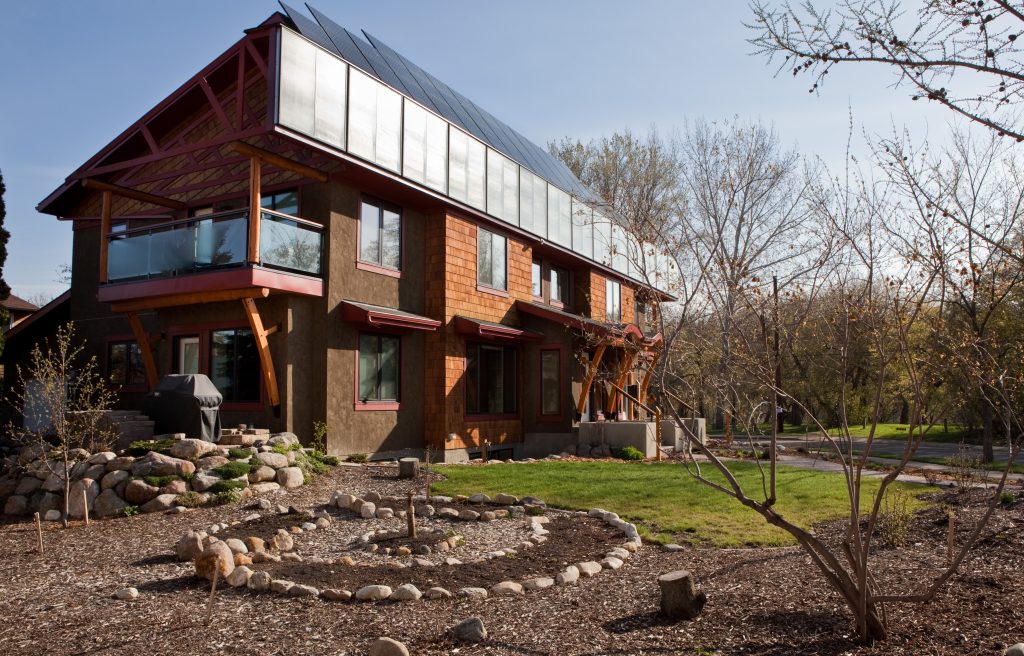

Building a net-zero home is a significant investment in both sustainability and long-term savings. The process requires careful planning, technical expertise, and a commitment to high performance. One of the most critical steps is choosing the right professionals for the job. Net-zero home contractor selection can make or break your project, impacting everything from energy efficiency to comfort and resale value.
This guide will walk you through the essential criteria for evaluating contractors, the questions you should ask, and the red flags to watch out for. By the end, you’ll be equipped to make a confident, informed decision and set your project up for success.
Before diving into the selection process, it’s helpful to understand the broader journey of building a net-zero home. For a detailed overview of the construction phases, see the net-zero home construction process. This resource covers everything from initial planning to final commissioning, helping you see where contractor selection fits into the bigger picture.
Why Choosing the Right Contractor Matters
Unlike conventional building projects, achieving net-zero performance involves advanced building science, careful material selection, and precise execution. The right contractor brings:
- Experience with energy-efficient construction and proven net-zero projects.
- Knowledge of local codes, incentives, and climate-specific strategies.
- Strong relationships with specialized trades and suppliers.
- Commitment to quality control and rigorous testing.
Making the right choice can help you avoid common mistakes in net-zero construction that lead to costly rework or underperformance.
Key Criteria for Net-Zero Home Contractor Selection
To ensure your project is in capable hands, prioritize contractors who meet the following criteria:
- Demonstrated net-zero experience: Ask for references and case studies of completed net-zero or near-net-zero homes.
- Relevant certifications: Look for credentials such as Passive House, LEED, or Net Zero Home certification.
- Integrated design approach: The best contractors collaborate closely with architects, engineers, and energy consultants from the start.
- Commitment to testing and verification: Ensure they use blower door tests, thermal imaging, and third-party verification to confirm performance.
- Transparent communication: You should feel comfortable asking questions and receiving clear, honest answers.

Questions to Ask Potential Contractors
Interviewing candidates is a crucial part of the net-zero home contractor selection process. Here are some questions to guide your conversations:
- How many net-zero or ultra-low energy homes have you built?
- Can you provide references from recent clients with similar projects?
- What building science training or certifications do you and your team have?
- How do you approach air sealing, insulation, and thermal bridging?
- What is your process for integrating renewable energy systems?
- How do you verify that the home meets its energy targets?
- What challenges have you encountered in past projects, and how did you solve them?
Asking these questions helps you gauge both technical expertise and communication style, both of which are vital for a successful partnership.
Red Flags and Pitfalls to Avoid
Not every builder is equipped for the demands of a net-zero project. Watch out for these warning signs:
- Reluctance to share references or project details.
- Dismissal of advanced building science concepts as “unnecessary.”
- Lack of familiarity with blower door testing or thermal imaging.
- Unwillingness to collaborate with energy consultants or third-party verifiers.
- Vague or incomplete answers to technical questions.
If you encounter any of these issues, consider continuing your search. The right contractor should be transparent, knowledgeable, and enthusiastic about high-performance building.
Comparing Bids and Proposals
Once you’ve narrowed down your list, you’ll likely receive several bids or proposals. When reviewing them, consider:
- Scope of work: Is everything you discussed included? Are performance targets clearly stated?
- Materials and systems: Are high-performance products specified? Are renewable energy systems included?
- Timeline: Is the schedule realistic, and does it account for the extra steps involved in net-zero construction?
- Cost transparency: Are allowances and contingencies clearly explained?
- Testing and verification: Are these services included in the base price?
Don’t automatically choose the lowest bid. A higher upfront investment in expertise and quality can pay off in long-term energy savings and durability. For more on what to expect during the build, check out the construction timeline for net-zero homes.
Working with Your Contractor for Success
After selecting your expert, set the stage for a productive relationship:
- Establish regular communication and progress updates.
- Request documentation of key milestones, such as blower door test results.
- Stay involved in decision-making, especially for materials and systems.
- Encourage collaboration between the contractor, designer, and energy consultant.
Remember, your involvement and clear expectations can help ensure your home achieves its performance goals.
Additional Resources and Next Steps
For a deeper understanding of what goes into a high-performance home, see this comprehensive guide to net-zero homes. If you’re still in the early stages, you may also want to review the planning phase for net-zero construction to clarify your goals and priorities.
Finally, as you move forward, keep in mind the essential steps to build a net-zero home to help you stay on track from start to finish.
Frequently Asked Questions
What certifications should a net-zero home builder have?
Look for contractors with certifications such as Passive House, LEED for Homes, or Net Zero Home certification. These credentials indicate a commitment to building science and energy efficiency. Additional training in air sealing, insulation, and renewable energy systems is also valuable.
How can I verify a contractor’s experience with net-zero projects?
Ask for references and case studies of completed net-zero or ultra-low energy homes. Request to speak with past clients and, if possible, visit finished projects. Reliable contractors are transparent about their experience and happy to share their successes.
What are common mistakes when hiring for a net-zero build?
Some frequent pitfalls include choosing a contractor without relevant experience, failing to clarify performance targets, and overlooking the importance of third-party verification. To avoid these issues, prioritize expertise, clear communication, and a collaborative approach throughout the selection process.


