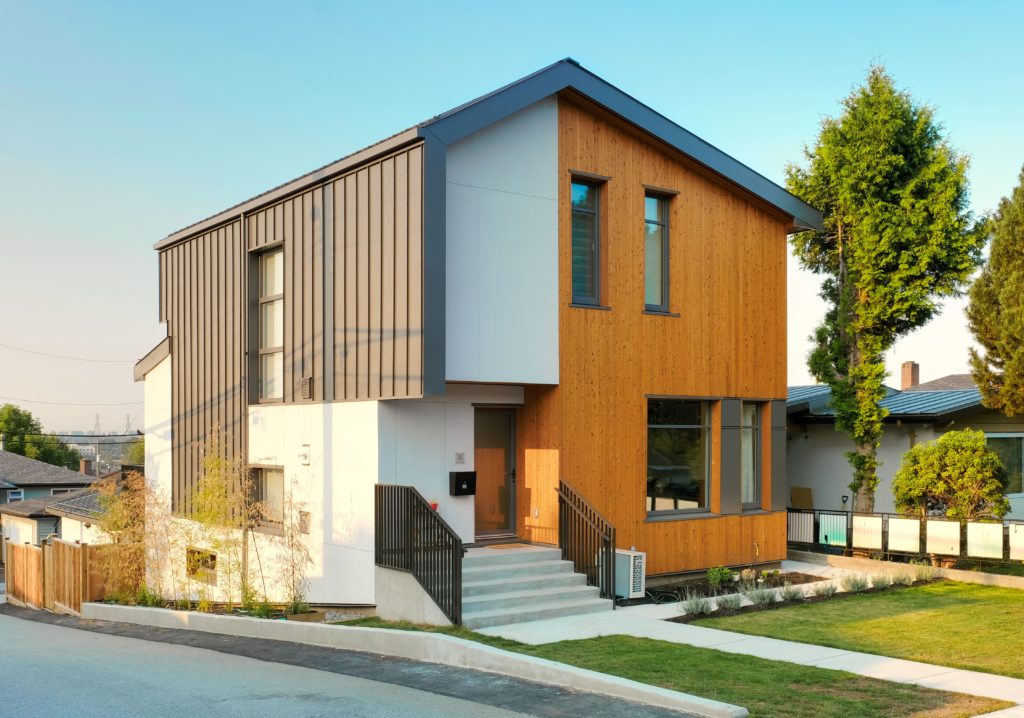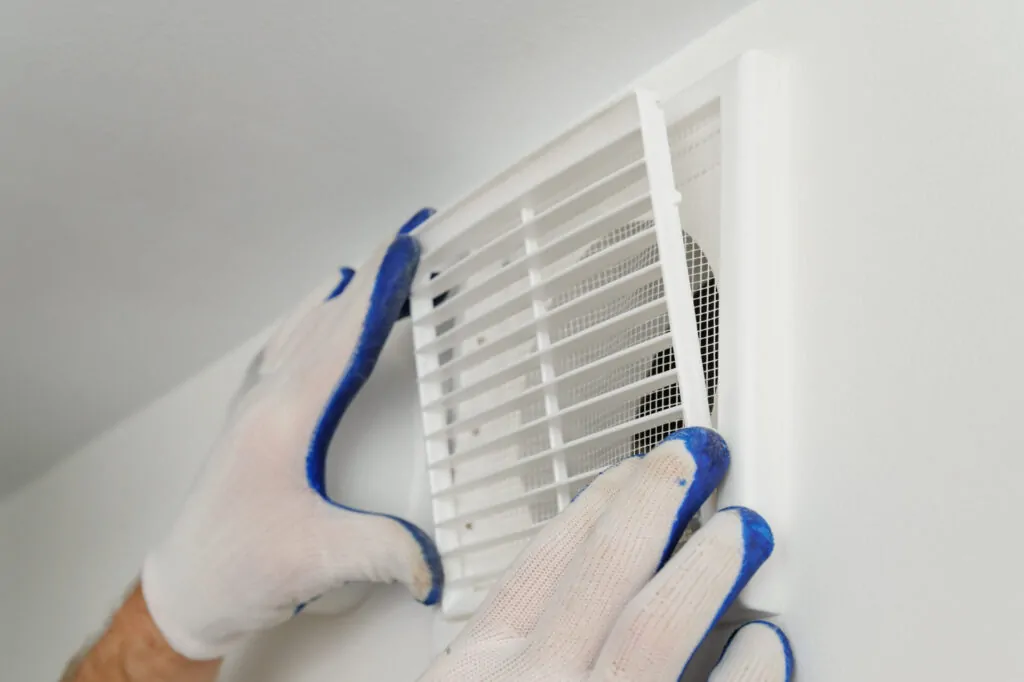

Understanding the building envelope and ventilation is essential for anyone interested in home performance, energy efficiency, and indoor comfort. These two concepts work together to control how air, moisture, and heat move in and out of a structure. A well-designed envelope keeps unwanted drafts and moisture out, while a balanced ventilation system ensures healthy indoor air quality and helps manage humidity. Whether you’re planning a renovation, building a new home, or simply want to improve your living environment, learning about these fundamentals can help you make informed decisions.
Before diving into the details, it’s worth noting that optimizing your home’s envelope and airflow can also enhance the effectiveness of other upgrades, such as those discussed in kitchen remodeling visual balance tips. Integrating these principles can lead to a more comfortable, efficient, and durable home.
What Is the Building Envelope?
The building envelope refers to all the components that separate the interior of a structure from the outside environment. This includes walls, roofs, windows, doors, and foundations. Its main job is to control the flow of air, moisture, and heat, acting as a barrier and a filter. A tight, well-insulated envelope helps keep conditioned air inside, reduces energy loss, and prevents water intrusion that can lead to mold or structural damage.
- Air Barrier: Prevents unwanted drafts and heat loss.
- Thermal Barrier: Insulation slows down heat transfer, keeping interiors comfortable year-round.
- Moisture Barrier: Stops rain, snow, and humidity from entering and causing damage.
Modern construction techniques often use advanced materials and installation methods to improve the envelope’s performance. For example, continuous exterior insulation, high-performance windows, and properly sealed penetrations all contribute to a more effective barrier.
Why Ventilation Matters in Homes
While a tight envelope is great for energy efficiency, it can also trap indoor pollutants, moisture, and odors if not paired with proper ventilation. Ventilation is the process of exchanging stale indoor air with fresh outdoor air. This is crucial for maintaining healthy air quality, controlling humidity, and preventing the buildup of contaminants like carbon dioxide, volatile organic compounds (VOCs), and allergens.
There are several types of ventilation systems:
- Natural Ventilation: Relies on windows, doors, and passive vents to allow air movement.
- Mechanical Ventilation: Uses fans and ductwork to control airflow, such as exhaust fans and whole-house systems.
- Balanced Ventilation: Combines supply and exhaust fans to provide controlled, even air exchange.
For a deeper dive into how these systems work, you can explore how home ventilation works in detail.
How the Envelope and Ventilation Work Together
The relationship between the building envelope and ventilation is all about balance. A well-sealed envelope reduces uncontrolled air leaks, but without intentional airflow, indoor air quality can suffer. That’s why modern homes often include mechanical ventilation systems designed to work with the envelope, not against it.
Key benefits of this integrated approach include:
- Energy Savings: Less heat loss or gain means lower utility bills.
- Comfort: Even temperatures and humidity levels throughout the home.
- Durability: Reduced risk of moisture damage, mold, and rot.
- Health: Consistent removal of indoor pollutants and allergens.
Common Problems and Solutions
Homeowners often encounter issues when the envelope or ventilation is not performing as intended. Some common problems include:
- Drafts and Cold Spots: Usually caused by gaps in insulation or poorly sealed windows and doors.
- High Humidity or Condensation: Indicates insufficient ventilation or moisture barriers.
- Poor Indoor Air Quality: Results from inadequate air exchange or filtration.
- Excessive Dust: May point to leaky ducts or unfiltered air entering the home.
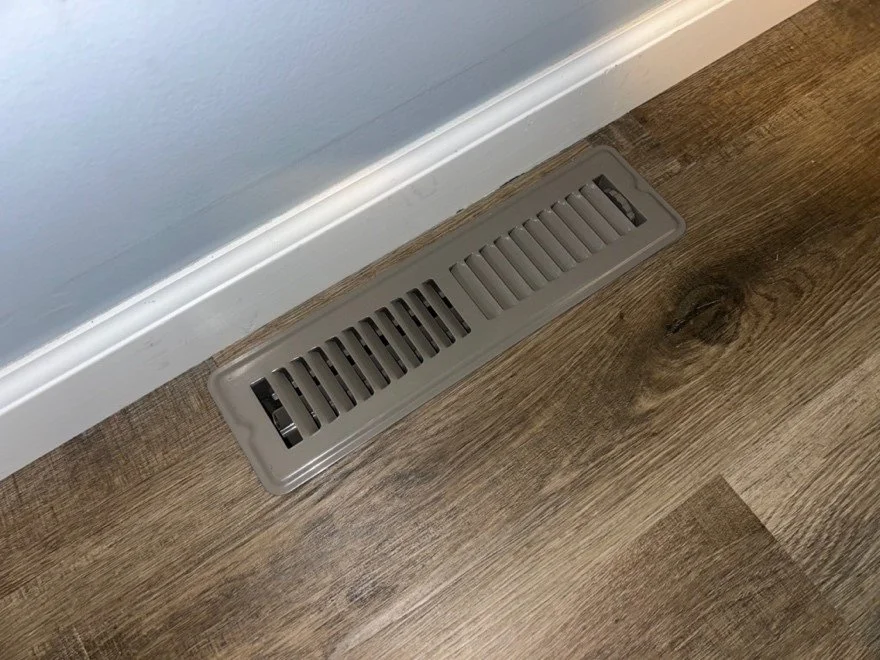
Solutions typically involve improving insulation, sealing leaks, upgrading windows, and installing or maintaining mechanical ventilation systems. Adding features like whole-house fans, air filtration kits, or ceiling exhaust fans can further enhance air movement and quality.
Best Practices for Optimizing Airflow and Insulation
To get the most from your home’s envelope and ventilation, consider these practical steps:
- Seal Gaps and Cracks: Use caulk, weatherstripping, and spray foam to close leaks around windows, doors, and penetrations.
- Upgrade Insulation: Add or improve insulation in attics, walls, and floors to reduce heat transfer.
- Install High-Performance Windows: Choose double- or triple-pane windows with low-E coatings for better thermal performance.
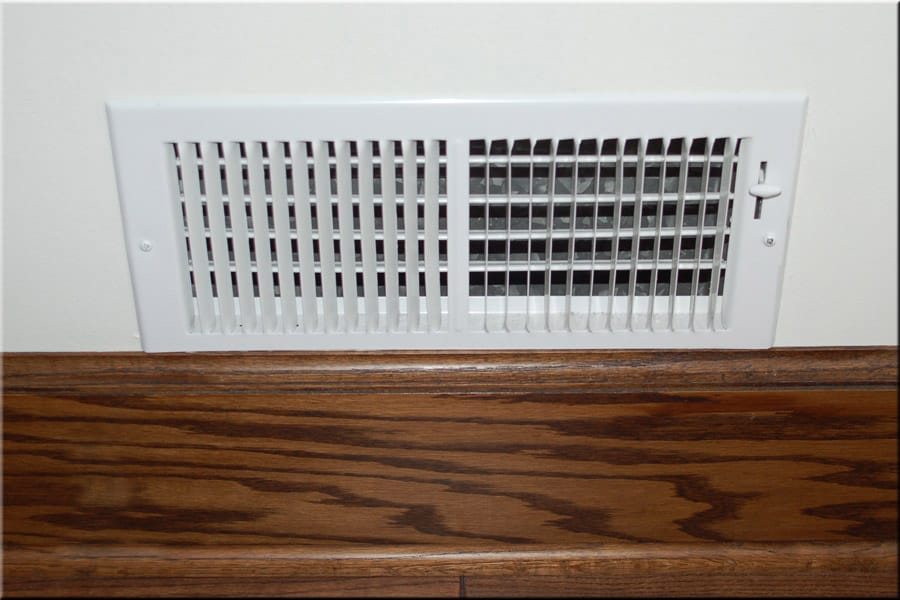
- Maintain Ventilation Systems: Clean or replace filters, check fans, and ensure ducts are sealed and unobstructed.
- Balance Airflow: Use supply and exhaust fans to create even air exchange without creating negative pressure.
Regular maintenance and periodic assessments can help identify issues before they become major problems. For those remodeling or updating kitchens, integrating these strategies with kitchen remodeling hardware style guide recommendations can further improve both function and aesthetics.
FAQ
What is the most important part of the building envelope?
Every component plays a role, but the most critical areas are those where air and moisture are most likely to leak—such as windows, doors, and roof-to-wall connections. Proper sealing and insulation in these spots have a significant impact on energy efficiency and comfort.
How often should ventilation systems be maintained?
Mechanical ventilation systems should be checked at least once or twice a year. Filters should be cleaned or replaced according to the manufacturer’s recommendations, and fans or ducts should be inspected for blockages or leaks.
Can I improve ventilation without major renovations?
Yes. Simple upgrades like installing exhaust fans, adding air filtration kits, or using portable air purifiers can help. Opening windows for cross-ventilation is also effective, especially in mild weather. For more comprehensive solutions, consult a professional to assess your home’s needs.
How do I know if my home has poor air quality?
Signs include persistent odors, condensation on windows, visible mold, or frequent allergy symptoms. If you notice these issues, consider testing your indoor air and evaluating both your envelope and ventilation systems.
Are there benefits to combining envelope upgrades with kitchen remodeling?
Absolutely. Upgrading insulation, sealing leaks, and improving airflow during a kitchen renovation can enhance comfort, reduce energy costs, and support healthier indoor air—especially when paired with thoughtful design choices like those in kitchen remodeling cleaning zone layout ideas.