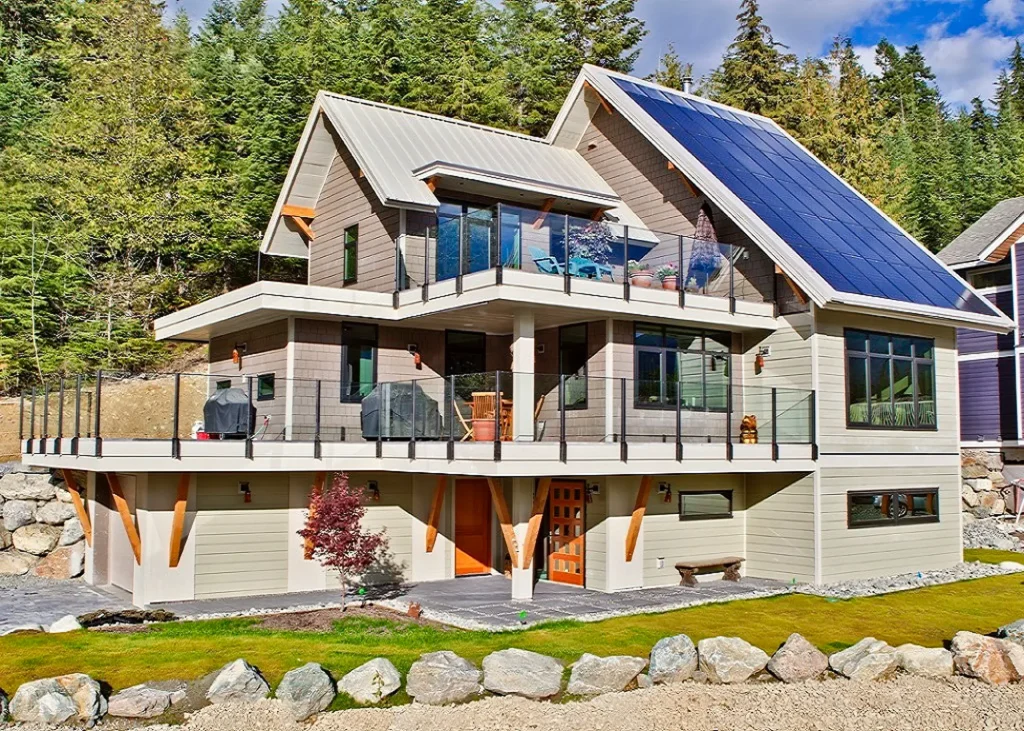

Building a home that produces as much energy as it consumes is a significant achievement in sustainable living. For homeowners and builders committed to reducing environmental impact and utility costs, understanding the steps to build net-zero home is crucial. This guide outlines the key phases, from initial planning to final commissioning, to help you navigate the process and avoid common pitfalls.
Whether you’re starting from scratch or retrofitting an existing structure, each stage requires careful consideration of design, materials, and technology. Early decisions—such as site selection for net-zero homes—can have a lasting impact on your project’s success. Let’s explore the pathway to a truly energy-efficient residence.
Understanding Net-Zero Home Fundamentals
A net-zero home is designed to balance its annual energy consumption with renewable energy production, typically through solar panels or other on-site generation. Achieving this balance requires a holistic approach that combines energy-efficient design, advanced building techniques, and smart technology integration. The following steps provide a roadmap to reach this ambitious goal.
Step 1: Define Your Project Goals and Budget
Begin by clarifying your sustainability objectives, comfort expectations, and financial boundaries. Setting clear goals helps guide design decisions and technology choices. Factor in both upfront costs and long-term savings, as many net-zero features pay off over time through reduced utility bills and maintenance.
Step 2: Select the Right Site and Orientation
Location and orientation are foundational to energy efficiency. Choose a lot that allows for optimal solar exposure, natural shading, and minimal site disturbance. For more insights on this critical phase, refer to the site selection net-zero homes guide for practical tips on finding the best lot for your project.
Step 3: Prioritize Energy-Efficient Design and Envelope
The building envelope—walls, roof, windows, and foundation—plays a major role in minimizing energy loss. Work with architects and designers experienced in high-performance homes to ensure:
- Continuous insulation and air sealing
- High-performance windows and doors
- Strategic placement of openings for daylight and ventilation
For a deeper dive into structural considerations, see the guide on foundation design net-zero homes.

Step 4: Integrate High-Performance HVAC and Ventilation
Efficient heating, cooling, and ventilation systems are vital. Consider:
- Heat pumps for both heating and cooling
- Energy recovery ventilators (ERVs) or heat recovery ventilators (HRVs)
- Smart thermostats and zoning for precise control
These systems reduce energy use while maintaining indoor air quality and comfort.
Step 5: Choose Energy-Efficient Appliances and Lighting
Every appliance and light fixture should meet or exceed ENERGY STAR standards. Opt for LED lighting, induction cooktops, and efficient refrigerators, washers, and dryers. This step ensures that your home’s operational energy demand remains as low as possible.
For more on efficiency standards, visit the energy star net-zero homes requirements resource.
Step 6: Maximize Renewable Energy Generation
Solar photovoltaic (PV) systems are the most common solution for on-site energy production. Size your system based on projected consumption and available roof or land area. In some climates, wind or geothermal energy may also be viable. Work with certified installers to ensure optimal system design and integration.
For a comprehensive overview of the construction journey, see the net-zero home construction process article.

Step 7: Implement Smart Energy Monitoring and Controls
Monitoring systems track real-time energy use and production, helping you identify inefficiencies and optimize performance. Devices like the Emporia Vue 3 provide actionable data for homeowners and professionals. Smart controls can automate lighting, HVAC, and appliances to further reduce consumption.
Step 8: Select Sustainable Materials and Construction Methods
Choose materials with low embodied energy, high durability, and minimal environmental impact. Prioritize locally sourced products and consider advanced framing, modular construction, or prefabricated panels to reduce waste and improve quality. Certifications such as LEED or Passive House can help guide material and process choices. For more on certifications, see green building certifications explained.
Step 9: Test, Commission, and Verify Performance
Before occupancy, conduct blower door tests, duct leakage assessments, and thermal imaging scans to verify airtightness and insulation quality. Commission all mechanical systems to ensure they operate as designed. Use a thermal imaging camera to detect hidden leaks or insulation gaps, and adjust as needed for optimal efficiency.
Step 10: Educate Occupants and Plan for Maintenance
Even the best-designed net-zero home requires informed occupants. Provide guidance on operating systems, maintaining equipment, and monitoring energy use. Schedule regular maintenance for HVAC, solar panels, and other key components to sustain performance over the long term.
Additional Resources and Expert Guidance
For a more detailed breakdown of each phase, consult this step-by-step net-zero home design guide. Collaborating with experienced architects, builders, and energy consultants is highly recommended for first-time net-zero projects.
Frequently Asked Questions
What is the most important step in building a net-zero home?
While every phase is critical, energy-efficient design and envelope construction often have the greatest impact on overall performance. A well-insulated, airtight structure reduces the energy required for heating and cooling, making it easier to achieve net-zero status.
How much does it cost to build a net-zero home?
Costs vary by location, size, and chosen technologies. While initial expenses can be 5–15% higher than conventional homes, long-term savings on energy bills and potential incentives help offset the investment. Planning and budgeting early is key to balancing cost and performance.
Can an existing home be retrofitted to net-zero?
Yes, many existing homes can be upgraded with improved insulation, efficient HVAC, renewable energy systems, and smart controls. However, retrofitting may present unique challenges, so a thorough energy audit and professional guidance are recommended.
Conclusion
Following these steps to build net-zero home ensures a comprehensive approach to sustainable construction. From careful planning and site selection to advanced technology and ongoing maintenance, each phase contributes to a comfortable, resilient, and environmentally responsible home. With the right team and resources, achieving net-zero is both attainable and rewarding.