


Building a net-zero home is a rewarding process that requires careful planning, specialized materials, and a well-structured schedule. Understanding the construction timeline for net-zero homes helps homeowners, builders, and architects set realistic expectations and make informed decisions at every stage. This guide breaks down the phases, highlights unique considerations, and offers practical tips for a smooth journey from concept to move-in.
Unlike conventional builds, net-zero projects demand extra attention to energy modeling, airtightness, and renewable systems. By familiarizing yourself with the typical sequence and timeframes, you can anticipate milestones and avoid common delays. If you’re just starting, it’s also helpful to review topics like site selection for net-zero homes and goal-setting in the planning phase to lay a strong foundation for your project.
Key Phases in the Net-Zero Home Building Schedule
The construction timeline for net-zero homes typically follows a series of well-defined phases. While the overall process resembles that of standard homes, several steps require additional coordination and expertise to achieve net-zero performance.
- Pre-Construction and Design (2–6 months): This stage covers site analysis, energy modeling, architectural design, and permitting. Collaboration with energy consultants and engineers is crucial to ensure the home’s orientation, insulation, and systems are optimized for efficiency.
- Foundation and Framing (1–2 months): After permits are secured, work begins on excavation, foundation pouring, and framing. For net-zero homes, special attention is given to slab insulation and thermal bridging. For more on this, see our guide on foundation design for net-zero homes.
- Envelope and Systems Installation (2–4 months): Air sealing, high-performance windows, and advanced insulation are installed. Mechanical systems—such as heat pumps, energy recovery ventilators, and solar panels—are integrated during this phase.
- Interior Finishes and Testing (1–2 months): Drywall, flooring, cabinetry, and fixtures are completed. The home undergoes blower door tests and commissioning to verify airtightness and system performance.
- Final Inspections and Move-In (1 month): Local authorities conduct inspections, and any final adjustments are made. Once certified, the home is ready for occupancy.
Altogether, the process can take anywhere from 8 to 15 months, depending on design complexity, weather, and contractor availability.
What Makes the Timeline Different for Net-Zero Builds?
Several factors set the construction timeline for net-zero homes apart from traditional builds:
- Energy Modeling: Early-stage modeling is essential to predict and balance energy use and generation. This step can add weeks to the design phase but is critical for success.
- Specialized Materials: Procuring high-performance windows, insulation, and mechanical systems may require longer lead times.
- Quality Assurance: Multiple rounds of air sealing, insulation inspection, and performance testing are necessary, sometimes requiring rework if standards aren’t met.
- Renewable Integration: Solar panel installation and grid interconnection can introduce additional coordination with utility providers.
These unique requirements mean that careful scheduling and communication are vital to keeping the project on track.
Detailed Breakdown: Step-by-Step Progression
Let’s take a closer look at each phase and what homeowners can expect along the way:
1. Design, Permitting, and Pre-Construction
Work begins with site selection, energy modeling, and architectural planning. During this period, the team will:
- Conduct site analysis to maximize solar gain and minimize energy loss.
- Develop detailed plans for insulation, windows, and mechanical systems.
- Submit drawings for permits and approvals, which can take several weeks depending on local regulations.
For a comprehensive overview of the early stages, refer to our article on the net-zero home construction process.
2. Foundation and Framing
Once permits are in hand, construction begins with excavation and foundation work. Net-zero projects often use insulated slabs or advanced foundation systems to reduce thermal bridging. Framing follows, with extra care taken to align with the home’s airtightness and insulation goals.
3. Building Envelope and Systems
This phase is critical for achieving net-zero performance. Builders install:
- Continuous insulation and high-performance windows
- Advanced air sealing measures
- Mechanical ventilation (such as ERVs or HRVs)
- Heating and cooling systems designed for low energy use
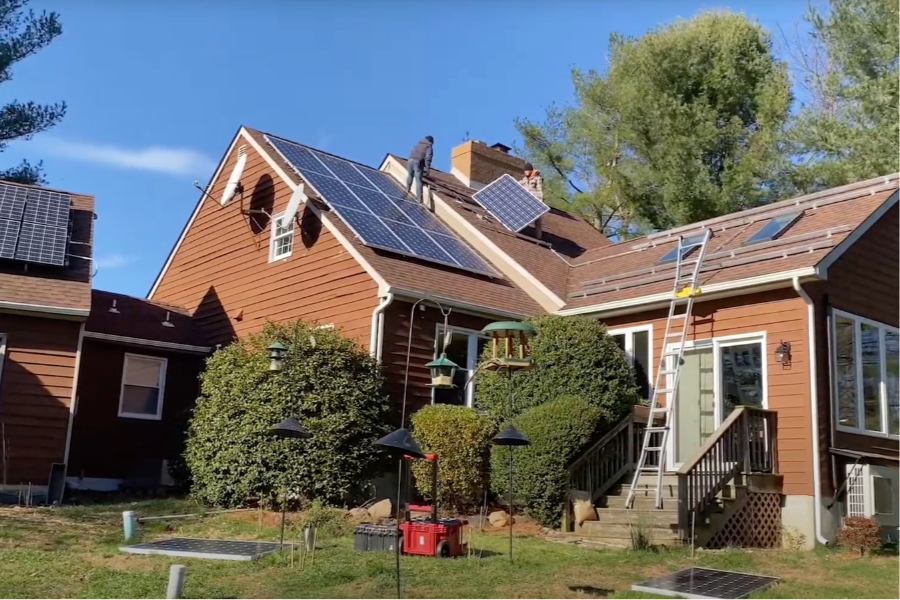
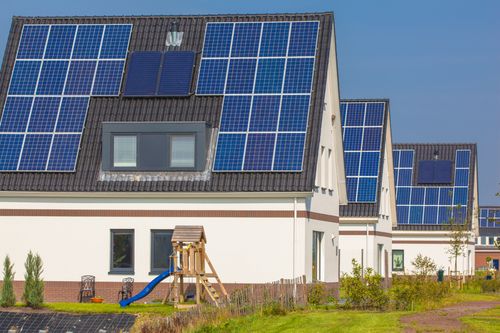
- Solar photovoltaic panels and battery storage (if included in the design)
Delays can occur if specialized materials are backordered or if weather impacts installation.
4. Interior Finishes and Performance Testing
With the envelope sealed, crews move to interior work: drywall, painting, flooring, cabinetry, and fixtures. During this stage, the home undergoes rigorous testing, including blower door tests and commissioning of mechanical systems to ensure everything meets net-zero standards.
5. Final Inspections and Handover
After all systems are verified, local inspectors review the property for code compliance. Any final tweaks are made, and the home is certified as net-zero. Homeowners receive documentation and training on operating their new systems.
Tips for Staying on Track During Your Net-Zero Build
- Choose experienced professionals: Select architects, builders, and subcontractors with a proven track record in high-performance construction.
- Order materials early: High-efficiency windows, insulation, and solar equipment may have longer lead times—plan ahead to avoid delays.
- Schedule regular site meetings: Frequent check-ins help catch issues early and keep everyone aligned on goals.
- Document everything: Maintain clear records of design decisions, product specs, and test results for future reference.
- Stay flexible: Weather, supply chain issues, or inspection delays can occur. Build some buffer time into your schedule.
Resources for Planning Your Project
For more detailed steps, see our guide on the essential steps to build a net-zero home. You can also find practical advice in this comprehensive overview of making your home net-zero from Efficiency Vermont.
Frequently Asked Questions
How long does it take to build a net-zero home?
Most net-zero homes are completed in 8 to 15 months. The exact duration depends on design complexity, weather, permitting, and the availability of specialized materials and contractors.
What adds time to the construction of a net-zero home?
Additional time is often needed for energy modeling, sourcing high-performance materials, and conducting quality assurance testing. Coordination with utility companies for solar grid interconnection can also extend the schedule.
Can I speed up the process?
While some steps are fixed, you can streamline the process by working with experienced professionals, ordering materials early, and maintaining clear communication throughout the project.
Is the timeline different if I retrofit an existing home?
Yes, retrofitting an existing home to net-zero can take longer due to demolition, unforeseen repairs, and the complexity of integrating new systems into older structures.
Understanding the construction timeline for net-zero homes is key to a successful, stress-free build. With the right team, careful planning, and a clear roadmap, you’ll be well on your way to enjoying a comfortable, energy-efficient home for years to come.


