

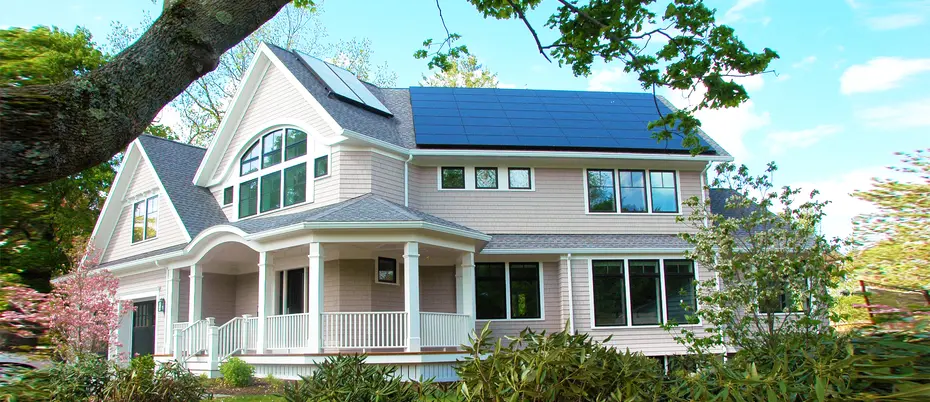
The concept of grid tied net-zero homes explained is gaining traction as homeowners seek ways to reduce their carbon footprint and energy bills. These residences are designed to produce as much energy as they consume over the course of a year, typically by harnessing renewable sources like solar or wind. Unlike off-grid homes, grid-tied net-zero dwellings remain connected to the utility grid, allowing for a dynamic exchange of electricity. This setup provides both flexibility and reliability, making it a practical solution for many modern households.
Understanding how these homes operate, the benefits they offer, and the challenges involved is essential for anyone considering a sustainable lifestyle. In this article, we’ll break down the core features of grid-connected net-zero houses, explore how they interact with utility companies, and highlight key technologies that make them possible. For those interested in the financial and technical aspects, topics like net metering, energy monitoring, and smart home integration will also be covered.
If you want to dive deeper into how homeowners can benefit from selling excess energy back to the grid, check out the net metering net-zero homes guide for a comprehensive overview.
What Makes a Home Net-Zero?
A net-zero home is designed to generate as much energy as it consumes on an annual basis. This balance is achieved through a combination of energy-efficient construction, advanced insulation, high-performance windows, and renewable energy systems such as solar panels or wind turbines. The goal is to minimize energy demand while maximizing on-site production.
Grid-tied net-zero homes explained in simple terms: they use the utility grid as a backup and a place to send surplus energy. When the home produces more electricity than it needs—typically during sunny or windy periods—the excess is exported to the grid. During times when the home’s energy demand exceeds production, such as at night or during cloudy weather, electricity is drawn from the grid.
How Grid-Tied Systems Work
The defining feature of these homes is their connection to the local utility grid. This relationship is managed through a bidirectional meter, which tracks both the energy consumed from the grid and the energy sent back. The process is often facilitated by net metering policies, which credit homeowners for the surplus electricity they supply.
A typical setup includes:
- Solar photovoltaic (PV) panels or wind turbines for on-site generation
- An inverter to convert DC power to AC for home use
- A smart meter to monitor energy flows
- Energy-efficient appliances and lighting
For more details on integrating renewables, see the renewable energy net-zero homes resource, which covers various options for powering your household sustainably.

Benefits of Grid-Connected Net-Zero Living
Choosing a grid-tied approach offers several advantages over going completely off-grid. The most significant benefit is reliability. By staying connected to the utility, homeowners have access to electricity even when their renewable systems aren’t producing enough. This eliminates the need for large, expensive battery banks.
Other key benefits include:
- Cost savings through reduced utility bills and potential credits for surplus energy
- Environmental impact by lowering greenhouse gas emissions
- Resale value as energy-efficient homes are increasingly attractive to buyers
- Flexibility to scale renewable systems over time
For homeowners interested in solar, the solar energy net-zero home systems overview provides practical insights into system sizing and installation.
Key Technologies Behind Net-Zero Performance
Achieving a true net-zero balance requires more than just adding solar panels. It involves a holistic approach to energy management, including:
- High-performance building envelope with advanced insulation and airtight construction
- Efficient HVAC systems such as heat pumps or geothermal units
- Smart energy monitoring to track usage and optimize consumption
- LED lighting and ENERGY STAR-rated appliances
Some homeowners also explore alternative sources like wind energy net-zero residential use or geothermal heating net-zero homes explained for additional efficiency.
Net Metering and Utility Partnerships
A crucial aspect of grid-tied net-zero homes is the relationship with the local utility. Net metering policies allow homeowners to receive credits for the excess electricity they generate and send back to the grid. These credits can offset the cost of electricity drawn from the grid during periods of low production.
The specifics of net metering vary by region, so it’s important to research local regulations and utility programs. Some areas offer favorable rates and incentives, while others may have limitations or fees. For a detailed look at how net metering works, refer to the guide to understanding net-zero home energy policies.
Challenges and Considerations
While the benefits are clear, there are also challenges to consider. Initial costs for energy-efficient construction and renewable systems can be significant, though these are often offset over time by energy savings and incentives. Homeowners must also account for local climate, site orientation, and available sunlight or wind.
Other considerations include:
- Understanding local building codes and permitting requirements
- Choosing the right size and type of renewable system
- Planning for future technology upgrades
- Evaluating long-term maintenance needs
Working with experienced builders and energy consultants can help navigate these complexities and ensure a successful project.
Frequently Asked Questions
How does a grid-tied net-zero home handle power outages?
Most grid-tied systems automatically shut down during a utility outage for safety reasons, unless equipped with battery backup or specialized inverters. If backup power is a priority, consider integrating a battery system or generator.
Is it possible to achieve net-zero in colder climates?
Yes, with proper design and technology, net-zero performance is achievable in a wide range of climates. Enhanced insulation, high-performance windows, and efficient heating systems are especially important in colder regions.
What is the payback period for investing in a grid-tied net-zero home?
The payback period varies based on construction costs, local energy prices, available incentives, and system size. Many homeowners see a return on investment within 7–15 years, with ongoing savings thereafter.
Conclusion
Grid-connected net-zero homes represent a practical and sustainable path toward energy independence and environmental responsibility. By leveraging renewable energy, smart design, and utility partnerships, homeowners can enjoy comfort, savings, and peace of mind. As technology advances and policies evolve, these homes are likely to become even more accessible and attractive for future generations.