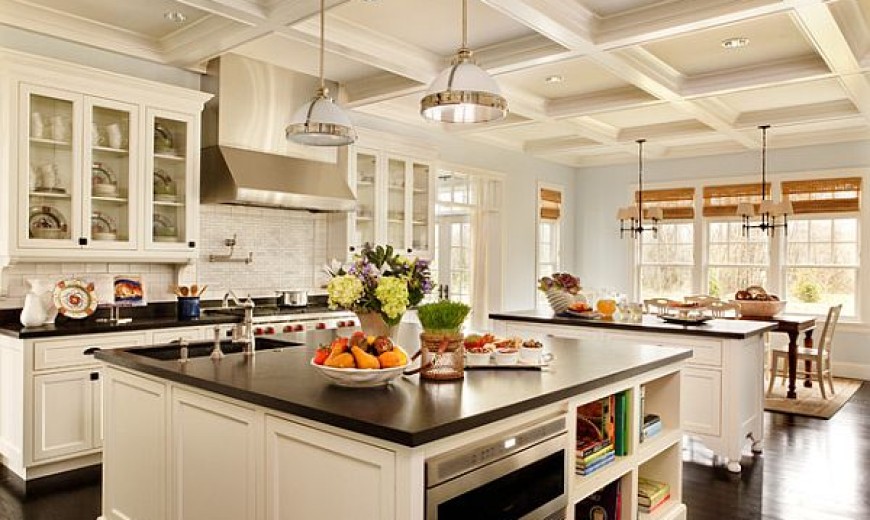

Choosing the right flooring is a crucial step in any kitchen renovation. The surface underfoot must withstand heavy traffic, spills, and frequent cleaning, all while complementing your design vision. This kitchen remodeling flooring material comparison guide explores the leading options, breaking down their pros, cons, and best uses so you can make an informed decision for your home.
Whether you’re planning a full overhaul or a targeted upgrade, understanding the differences between popular flooring materials will help you balance durability, style, and budget. If you’re also considering layout changes, you might find inspiration in these open concept kitchen remodeling ideas to create a more spacious and functional cooking area.
Key Factors in Kitchen Flooring Selection
Before diving into specific materials, it’s important to consider what your kitchen floor needs to handle. The following criteria will help you evaluate which option is best for your remodel:
- Durability: Kitchens are high-traffic zones. Flooring should resist scratches, dents, and wear.
- Water Resistance: Spills are inevitable. Materials that handle moisture well are ideal.
- Maintenance: Easy-to-clean surfaces save time and effort.
- Comfort: Standing for long periods is common in kitchens. Some floors are softer or warmer underfoot.
- Style: The floor sets the tone for your kitchen’s look and feel.
- Budget: Costs vary widely, not just for materials but also for installation and upkeep.
Balancing these factors will help you narrow down your choices as you explore the flooring comparison below.
Comparing Popular Kitchen Flooring Materials
This section breaks down the most common kitchen flooring options, highlighting their strengths and weaknesses. Use this kitchen remodeling flooring material comparison to match your needs and preferences.
Tile: Ceramic and Porcelain
Ceramic and porcelain tiles are classic choices for kitchens, prized for their durability and water resistance. Porcelain is denser and less porous than ceramic, making it even more resistant to moisture and stains.
- Pros: Extremely durable, waterproof, available in endless colors and patterns, easy to clean.
- Cons: Can be cold and hard underfoot, grout lines require maintenance, may crack if heavy objects are dropped.
- Best For: Busy kitchens, homes with pets, and those seeking a wide range of design options.
Luxury Vinyl Plank (LVP) and Vinyl Sheet
Vinyl flooring has seen a resurgence thanks to luxury vinyl plank (LVP), which mimics the look of wood or stone with impressive realism. Sheet vinyl offers a seamless, budget-friendly alternative.
- Pros: Water-resistant or waterproof, softer and warmer than tile, affordable, easy DIY installation, low maintenance.
- Cons: Can dent or scratch, may not add as much value as natural materials, lower-end products can look artificial.
- Best For: Families, budget-conscious remodels, and those wanting comfort underfoot.
Hardwood and Engineered Wood
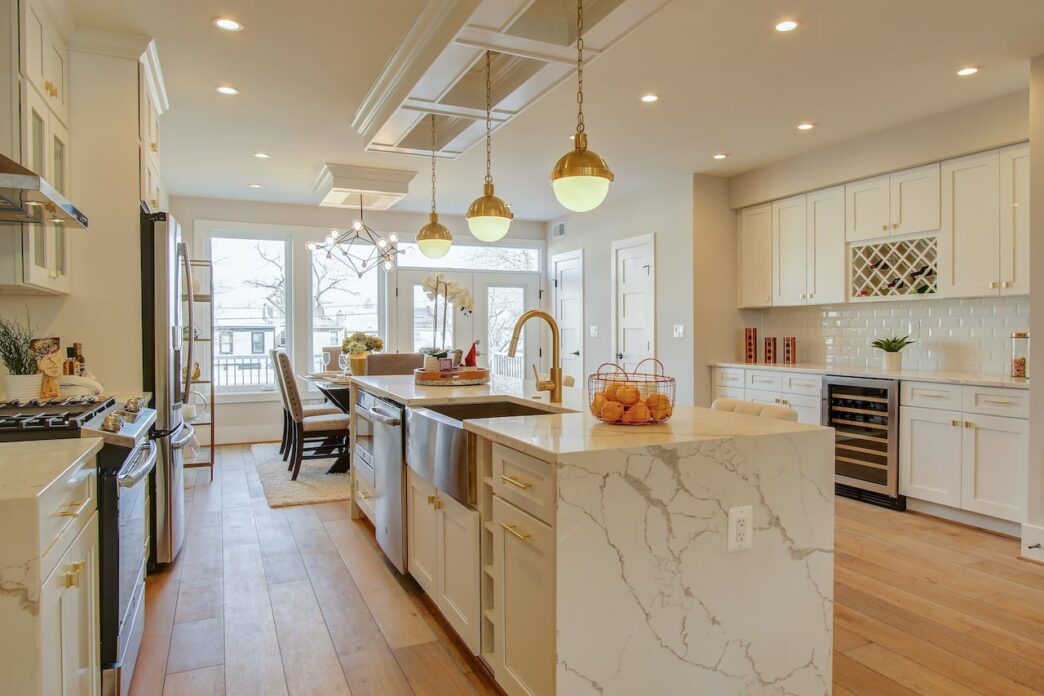
Wood floors bring warmth and timeless appeal to kitchens. Engineered wood offers better moisture resistance than solid hardwood, making it a more practical choice for this space.
- Pros: Classic look, adds value, comfortable underfoot, can be refinished (engineered wood can be refinished once or twice).
- Cons: Susceptible to water damage, scratches, and dents; requires regular maintenance; higher cost.
- Best For: Open floor plans, those seeking a cohesive look with adjacent rooms, and homeowners prioritizing aesthetics.
Laminates
Laminates have improved in quality and realism, offering a budget-friendly way to achieve the look of wood or stone. Modern options are more water-resistant, but still not fully waterproof.
- Pros: Affordable, easy to install, wide variety of styles, resists scratches and fading.
- Cons: Vulnerable to moisture if seams are not sealed, can sound hollow, cannot be refinished.
- Best For: DIYers, low-traffic kitchens, and those on a tight budget.
Natural Stone
Stone floors like slate, marble, and travertine offer unmatched beauty and durability. Each piece is unique, lending a luxurious feel to any kitchen.
- Pros: Long-lasting, distinctive appearance, increases home value, cool in warm climates.
- Cons: Expensive, can be slippery, requires sealing, may feel hard and cold.
- Best For: Upscale remodels, homes in hot climates, and those seeking a high-end finish.
Cork and Bamboo
Eco-friendly options like cork and bamboo are gaining popularity for their sustainability and comfort. Cork is naturally cushioned and quiet, while bamboo is harder and more resilient.
- Pros: Renewable materials, comfortable underfoot, unique textures, some water resistance (especially strand-woven bamboo).
- Cons: Sensitive to moisture (especially cork), can fade in sunlight, limited design options.
- Best For: Green remodels, those with joint pain, and anyone seeking a softer surface.
Kitchen Flooring Material Comparison Table
| Material | Durability | Water Resistance | Maintenance | Comfort | Cost |
|---|---|---|---|---|---|
| Tile (Ceramic/Porcelain) | Excellent | Excellent | Easy | Low | $$ |
| Luxury Vinyl | Good | Excellent | Easy | Medium | $ |
| Hardwood | Good | Poor | Moderate | High | $$$ |
| Laminate | Good | Moderate | Easy | Medium | $ |
| Stone | Excellent | Good | Moderate | Low | $$$$ |
| Cork/Bamboo | Moderate | Moderate | Easy | High | $$ |
Installation and Maintenance Tips
Proper installation and care can extend the life of your kitchen floor, regardless of material. Here are a few practical tips:
- Hire a professional for tile, stone, and hardwood to ensure a level, long-lasting result.
- Seal grout and natural stone regularly to prevent stains and moisture damage.
- Use mats in high-traffic and sink areas to reduce wear and catch spills.
- Clean up spills promptly, especially on wood and laminate, to prevent warping or staining.
- Follow manufacturer recommendations for cleaning products and methods.
For a smooth renovation process, check out this guide on kitchen remodeling mistakes to avoid and make sure your flooring choice fits your overall project plan.
Budgeting and Planning for Your Kitchen Floor
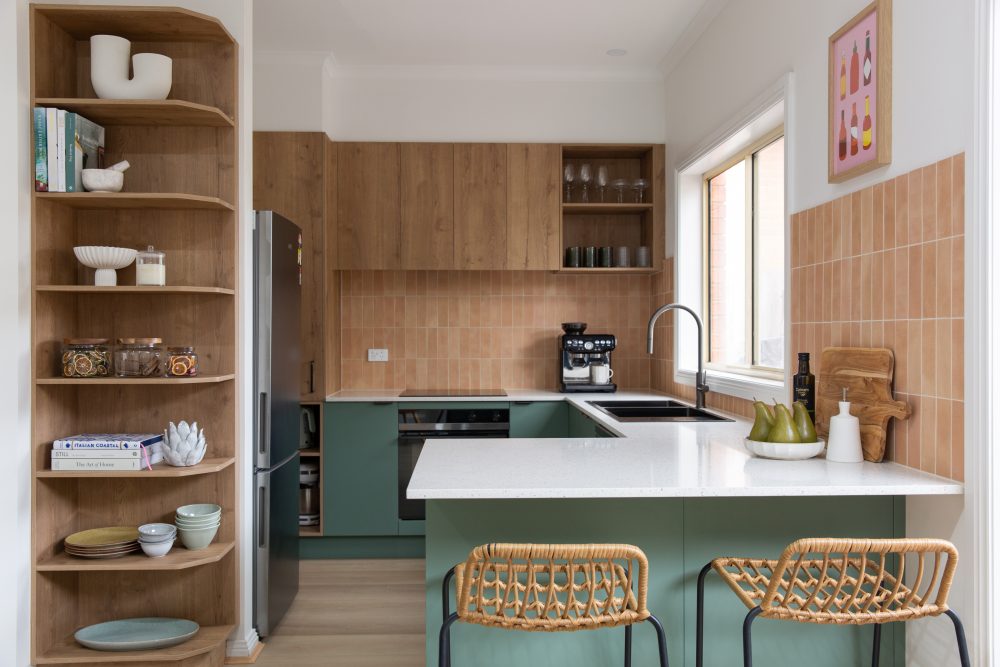
Flooring costs can vary significantly based on material, square footage, and installation complexity. When budgeting, remember to account for:
- Material price per square foot
- Installation labor (if not DIY)
- Subfloor preparation or repairs
- Underlayment or vapor barriers (for wood, laminate, or vinyl)
- Ongoing maintenance and potential repairs
For those working with a limited budget, consider reviewing these budget kitchen remodeling ideas to maximize your investment without sacrificing quality or style.
Expert Tips for a Successful Flooring Upgrade
- Order extra material (typically 10% more) to cover cuts, waste, and future repairs.
- Request samples and view them in your kitchen’s lighting before making a final choice.
- Coordinate your floor selection with cabinets, countertops, and wall colors for a cohesive look.
- For a step-by-step approach to the entire renovation, see this comprehensive kitchen renovation planning guide.
- Use a kitchen remodeling planning checklist to stay organized and avoid delays.
Frequently Asked Questions
What is the most durable flooring for kitchens?
Porcelain tile and natural stone are among the most durable options, resisting scratches, dents, and moisture. Luxury vinyl plank also offers impressive resilience for busy households.
Can hardwood be used in kitchens?
Hardwood is popular for its warmth and beauty, but it is more vulnerable to water damage than other materials. Engineered wood provides better moisture resistance and is a safer choice for kitchens.
How do I maintain my kitchen floor?
Regular sweeping and prompt spill cleanup are key. Use manufacturer-recommended cleaners, reseal grout or stone as needed, and place mats in high-traffic areas to prolong the life of your flooring.
What is the best flooring for a tight budget?
Sheet vinyl and laminate are cost-effective choices that offer good durability and a range of styles. Luxury vinyl plank is also affordable and provides excellent water resistance.
Conclusion
There is no one-size-fits-all answer when it comes to kitchen floors. By weighing the pros and cons of each material, considering your lifestyle, and planning your budget, you can select a surface that meets your needs for years to come. For more guidance on timelines and project management, review the average timeline for kitchen remodeling to set realistic expectations for your renovation journey.