

Achieving a truly sustainable home requires more than just adding solar panels or a wind turbine. The real challenge lies in renewable energy integration net-zero homes—bringing together various technologies and systems to work in harmony. This synergy is what enables a home to produce as much energy as it consumes over the course of a year, reducing reliance on fossil fuels and lowering utility bills.
As the demand for sustainable living grows, homeowners and builders are looking for practical ways to combine energy generation, storage, and efficiency strategies. This article explores how different renewable systems can be integrated, the benefits of a holistic approach, and the key considerations for anyone planning a net-zero residence.
For those interested in digging deeper into specific technologies, you can explore heat pumps for net-zero homes or learn more about renewable energy net-zero homes for a comprehensive understanding of available options.
Understanding System Synergy in Sustainable Homes
Synergy in the context of net-zero homes means that the whole is greater than the sum of its parts. When solar, wind, geothermal, and energy storage systems are designed to work together, they can maximize efficiency and reliability. This approach not only ensures consistent energy supply but also optimizes cost savings and environmental benefits.
For example, pairing solar panels with battery storage allows excess daytime energy to be used at night. Integrating a heat pump with a geothermal system can further reduce heating and cooling loads. The key is to design these systems to complement each other, taking into account the home’s location, climate, and energy needs.
Key Elements of Renewable Energy Integration in Net-Zero Homes
To achieve a net-zero balance, several core components must be considered and integrated effectively:
- On-site energy generation (solar, wind, or geothermal)
- Energy storage (batteries or thermal storage)
- Efficient HVAC systems (such as heat pumps)
- Smart controls and monitoring for real-time optimization
- High-performance building envelope (insulation, windows, air sealing)
Each of these elements plays a distinct role, but their integration is what enables a home to reach net-zero status. For a practical overview of solar technology, see solar energy net-zero home systems.

Solar, Wind, and Geothermal: Complementary Technologies
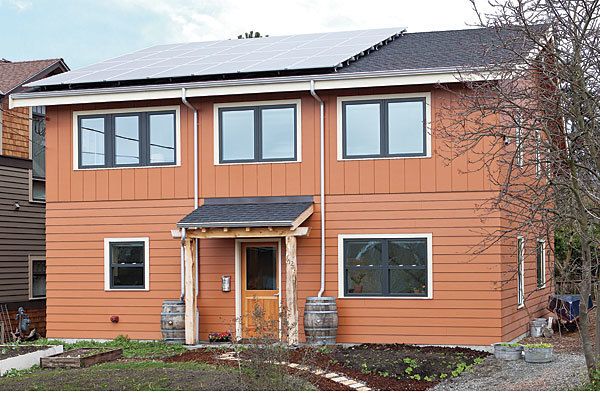
Solar panels are often the first technology considered for net-zero homes, but they are most effective when combined with other renewable sources. Wind turbines can supplement solar production, especially in regions with strong winds or during seasons when sunlight is limited. Geothermal systems provide highly efficient heating and cooling by tapping into the earth’s stable temperatures.
For homeowners in areas with variable weather, integrating multiple sources ensures a more stable and resilient energy supply. If you’re curious about the viability of wind in residential settings, wind energy net-zero residential use offers a detailed look at the pros and cons.
Geothermal heating and cooling can be especially valuable in climates with extreme temperatures. Learn more about how earth energy systems work in geothermal heating net-zero homes explained.
Smart Controls and Energy Monitoring
Effective renewable energy integration net-zero homes depends on intelligent controls and real-time monitoring. Smart thermostats, load controllers, and energy management systems allow homeowners to track usage, automate device schedules, and optimize when and how energy is used. This not only improves comfort but also maximizes the use of self-generated power and minimizes grid reliance.
Energy monitors, such as the Emporia Vue 3, provide detailed insights into household consumption, helping identify opportunities for further efficiency improvements. Thermal imaging cameras can reveal insulation gaps or air leaks, ensuring the building envelope is performing as intended.
Benefits of a Holistic Approach to Net-Zero Living
Taking a comprehensive approach to renewable energy integration net-zero homes delivers several advantages:
- Lower energy bills: Producing your own power and optimizing usage reduces monthly costs.
- Resilience: Multiple energy sources and storage options provide backup during outages or extreme weather.
- Environmental impact: Reducing fossil fuel use cuts greenhouse gas emissions and supports a cleaner grid.
- Increased property value: Net-zero homes are attractive to eco-conscious buyers and may qualify for incentives.
For a broader perspective on the future of sustainable construction, see this in-depth guide to net-zero buildings from Autodesk.
Challenges and Considerations for Integration
While the benefits are clear, integrating multiple renewable systems does present challenges. Upfront costs can be significant, though incentives and falling technology prices are making net-zero more accessible. System design requires careful planning to ensure compatibility and maximize performance. Homeowners should work with experienced professionals who understand the nuances of combining solar, wind, geothermal, and storage technologies.
Ongoing maintenance and monitoring are also important. Smart controls and energy monitors can help, but regular inspections ensure that all components continue to perform efficiently over time.
Frequently Asked Questions
What is the most effective combination of renewable systems for a net-zero home?
The ideal mix depends on local climate, site conditions, and energy needs. Most net-zero homes use a combination of solar panels, battery storage, and efficient HVAC systems. In some regions, wind turbines or geothermal systems can further enhance energy independence and efficiency.
How can I monitor and optimize my home’s energy use?
Smart energy monitors and home automation systems allow you to track real-time consumption, identify inefficiencies, and automate devices for optimal performance. Tools like the Emporia Vue 3 and thermal imaging cameras are valuable for ongoing optimization.
Are there incentives for integrating renewable energy systems?
Many regions offer rebates, tax credits, and other incentives for installing renewable energy and efficiency upgrades. These can significantly offset initial costs and improve return on investment. Check local and federal programs to see what’s available in your area.
Conclusion
Integrating renewable energy systems for net-zero living is a practical and achievable goal for today’s homeowners. By combining solar, wind, geothermal, storage, and smart controls, you can create a home that is efficient, resilient, and environmentally responsible. Careful planning and a focus on system synergy will ensure that your investment delivers maximum value for years to come.
