
As modern workplaces evolve, the use of glass partitions in office buildouts has become increasingly popular. Companies are rethinking traditional solid walls in favor of transparent solutions that foster collaboration, improve aesthetics, and maximize natural light. Understanding the office buildout glass wall benefits can help organizations make informed decisions about their workspace design, balancing privacy with openness and style with functionality.
Whether planning a new office or renovating an existing space, it’s important to explore the different types of partition solutions available. For a deeper dive into various options, see office buildout partition wall types for a comprehensive overview.
Key Advantages of Glass Walls in Office Buildouts
Integrating glass walls into office layouts offers a range of advantages for modern workspaces. These solutions are not just about aesthetics—they also address practical needs for light, flexibility, and employee well-being.
Enhanced Natural Light and Energy Efficiency
One of the most significant office buildout glass wall benefits is the increased flow of natural light throughout the workspace. Transparent partitions allow sunlight to penetrate deeper into the interior, reducing reliance on artificial lighting. This can lower energy costs and create a more inviting atmosphere for employees and visitors alike.
Improved Collaboration and Communication
Glass walls foster a sense of openness, making it easier for team members to interact and communicate. Unlike opaque barriers, transparent partitions visually connect different areas, encouraging spontaneous discussions and a collaborative culture. This can be especially valuable in creative or fast-paced environments where teamwork is essential.
Modern Aesthetics and Professional Appeal
Glass partitions give offices a sleek, contemporary look. They can make even small spaces feel larger and more open, while also projecting a professional image to clients and partners. The clean lines and minimalist style of glass walls complement a wide range of interior design themes, from industrial to high-tech.
Privacy Solutions with Glass Partitions
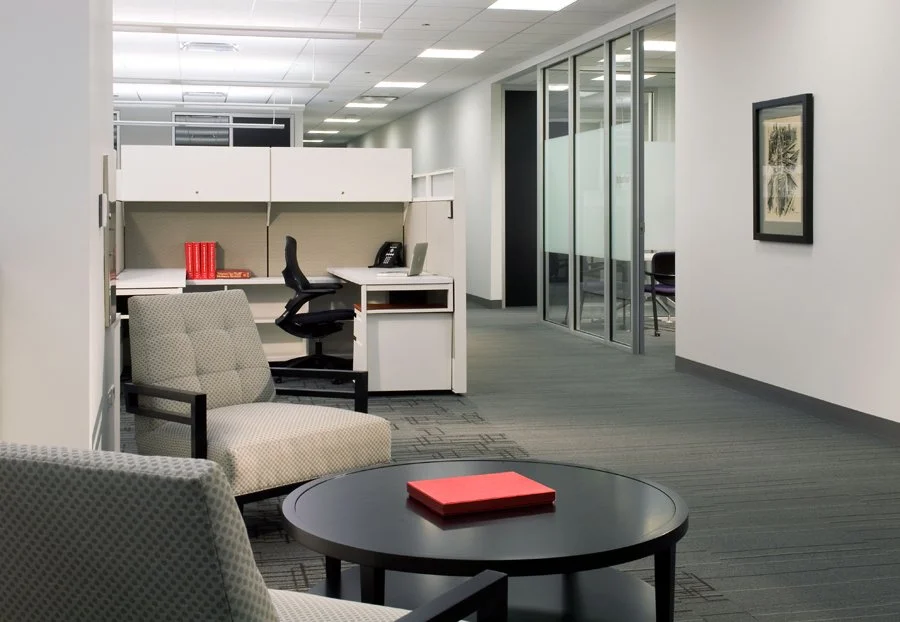
While transparency is a core feature, privacy can still be maintained with the right glass wall systems. Frosted, tinted, or switchable glass options allow organizations to control visibility without sacrificing the benefits of light and openness.
- Frosted glass provides visual separation for meeting rooms or executive offices.
- Acoustic glass reduces noise transmission, ensuring confidential conversations remain private.
- Smart glass can switch between clear and opaque states for flexible privacy on demand.
Use Cases for Glass Walls in Office Environments
The versatility of glass partitions makes them suitable for a variety of workplace applications. Here are some common scenarios where these solutions excel:
Conference and Meeting Rooms
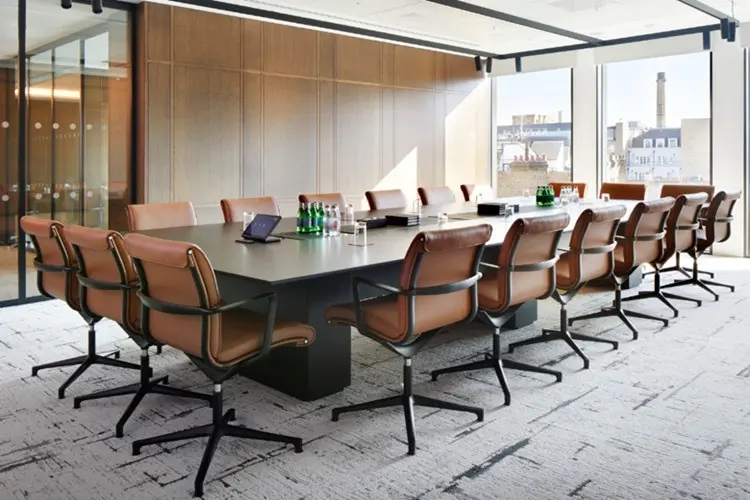
Enclosing meeting spaces with glass maintains a sense of inclusion while providing necessary sound isolation. This setup allows teams to collaborate without feeling cut off from the rest of the office.
Executive Offices and Private Areas
For managers or executives who require privacy but still want to remain visually connected to their teams, glass walls are an ideal choice. They balance discretion with openness, supporting both leadership and approachability.
Open Plan Workspaces
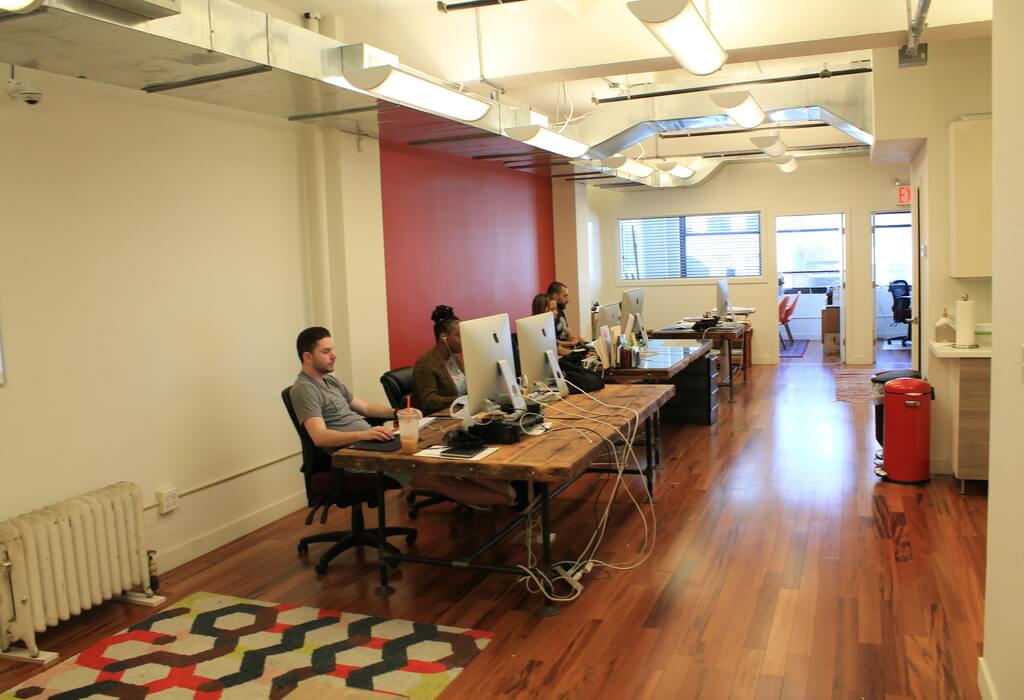
In open office layouts, glass partitions can define zones without creating a closed-off feel. They help organize the space, guide foot traffic, and delineate departments while preserving sightlines and daylight access.
Design Flexibility and Customization Options
Another important aspect of glass wall solutions is their adaptability. These systems can be customized to fit unique floor plans, branding requirements, and functional needs. Options include:
- Frameless or framed glass for different visual effects
- Sliding or hinged doors to optimize space
- Etched or colored glass for branding and decorative purposes
- Integration with blinds or curtains for additional privacy
The ability to tailor glass partitions ensures that each office buildout can reflect the company’s identity and operational style.
Health, Well-Being, and Employee Satisfaction
Access to daylight and views has been linked to improved mood, productivity, and overall well-being. By maximizing natural light, glass walls contribute to a healthier workplace environment. Employees often report higher satisfaction in spaces that feel open and connected, which can support retention and morale.
Maintenance and Durability Considerations
Glass partitions are designed for longevity and ease of care. Modern glass is treated to resist fingerprints, smudges, and scratches, making it suitable for high-traffic areas. Routine cleaning is typically straightforward, and many systems are modular for easy reconfiguration or repair.
Cost Factors and Long-Term Value
While the initial investment in glass wall systems may be higher than traditional drywall, the long-term value often outweighs the upfront cost. Benefits such as reduced lighting expenses, increased employee productivity, and the ability to adapt the space over time contribute to a strong return on investment.
For a detailed breakdown of expenses and savings over the life of a project, it’s helpful to review office buildout lifecycle costs and how different partition choices impact the bottom line.
Planning and Implementation Tips
Successful integration of glass walls requires careful planning and coordination. Consider these tips:
- Assess lighting needs and plan partition placement to maximize daylight.
- Work with experienced contractors familiar with glass installation.
- Coordinate with IT and facilities teams to address wiring, HVAC, and security needs.
- Engage stakeholders early to ensure the design meets operational and cultural goals.
For more on effective project management, see office buildout stakeholder coordination for best practices in aligning teams and timelines.
Further Resources and Industry Insights
If you’re looking for a comprehensive overview of the buildout process, this ultimate guide to building out office space covers planning, budgeting, and execution in detail.
Real-world examples can also provide valuable perspective. Explore office buildout case study examples for insights into successful projects and lessons learned.
Frequently Asked Questions
Are glass walls suitable for all types of offices?
Glass partitions can be adapted to a wide range of office layouts, from small startups to large corporate headquarters. Their flexibility in design and privacy options makes them a practical choice for most environments, though it’s important to consider specific needs like acoustics and security.
How do glass walls impact office acoustics?
While glass reflects sound, many systems use acoustic glass or double glazing to minimize noise transfer. For areas requiring extra privacy, combining glass with sound-absorbing materials or adding seals around doors can further enhance acoustic performance.
What maintenance is required for glass partitions?
Maintenance is generally minimal. Regular cleaning with standard glass cleaners keeps partitions clear and attractive. Modern glass is often treated to resist stains and scratches, making it durable for daily use in busy offices.