
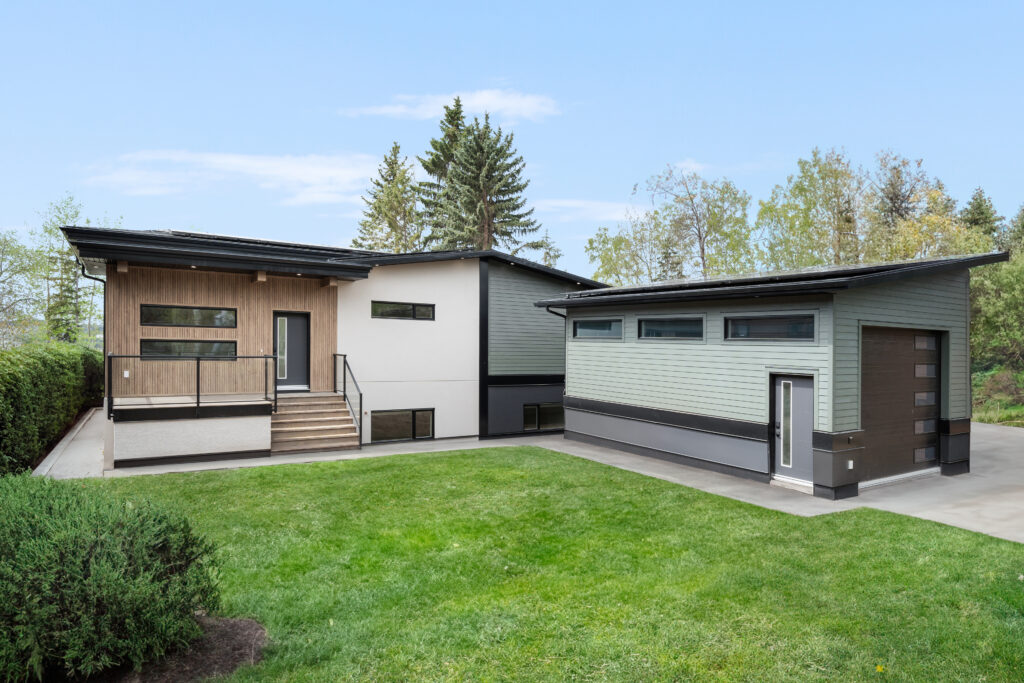

Living in a home that produces as much energy as it consumes, while operating entirely independent from public utilities, is an ambitious but increasingly attainable goal. Off grid net-zero home systems combine advanced energy generation, storage, and efficiency strategies to create dwellings that are both environmentally responsible and resilient. Whether you’re planning a new build or retrofitting an existing house, understanding the core components and best practices of these systems is essential for anyone seeking true energy independence.
This article explores the essential elements, technologies, and design considerations for achieving a fully self-sufficient, net-zero lifestyle. Along the way, you’ll find practical tips, links to additional resources, and recommendations for tools that can help you monitor and optimize your home’s performance.
If you’re interested in maximizing your home’s energy storage capabilities, you may want to explore the energy storage systems net-zero housing guide for a deeper dive into battery technologies, sizing, and integration.
Core Components of Energy-Independent Homes
To achieve total autonomy, a residence must be able to generate, store, and manage all of its own energy needs. The following elements are fundamental to any off grid net-zero home systems design:
- Renewable energy generation (solar, wind, or micro-hydro)
- Energy storage (batteries or thermal storage)
- Efficient building envelope (insulation, air sealing, high-performance windows)
- Smart energy management (monitoring, automation, and load control)
- Water independence (rainwater harvesting, filtration, and efficient plumbing)
- Waste management (composting, greywater systems, and septic solutions)
Each of these components must be carefully sized and integrated to ensure year-round comfort and reliability, especially in climates with seasonal variation.
Renewable Power Sources for Off-Grid Living
The backbone of any self-sufficient home is its ability to generate clean, renewable energy. Most commonly, solar energy is the primary source, but wind and micro-hydro can also play important roles depending on location and site conditions.
- Solar photovoltaic (PV) panels are the most popular choice due to their declining costs, scalability, and ease of installation. For a practical overview, see the solar energy net-zero home systems resource.
- Wind turbines can supplement solar, especially in regions with consistent wind patterns. Learn more about suitability and system design at wind energy net-zero residential use.
- Micro-hydro systems are ideal for properties with access to flowing water, offering reliable, round-the-clock generation.
Choosing the right mix of generation technologies depends on your site’s solar exposure, wind resources, and water availability. Hybrid systems often provide the best year-round performance and redundancy.

Energy Storage and Power Management
Because renewable sources like solar and wind are intermittent, energy storage is crucial for maintaining a stable power supply. Modern lithium-ion batteries are the standard for most off-grid homes, but other options like lead-acid or saltwater batteries may also be suitable depending on budget and performance needs.
Key considerations for storage include:
- Capacity: Sizing your battery bank to cover several days of typical use, including periods of low generation.
- Depth of discharge: How much of the battery’s capacity can be used without reducing lifespan.
- Integration: Ensuring seamless operation with inverters, charge controllers, and backup generators if needed.
Advanced monitoring tools, such as the Emporia Vue 3, help track consumption and optimize usage patterns. For more on maximizing your storage, see the energy storage systems net-zero housing article.
Building Envelope and Energy Efficiency
Generating your own power is only part of the equation. The most effective off grid net-zero home systems minimize energy demand through superior building design and material choices. This includes:
- High-performance insulation in walls, roofs, and floors
- Triple-glazed, low-e windows to reduce heat loss and gain
- Air sealing to prevent drafts and maintain consistent indoor temperatures
- Passive solar design for natural heating and lighting
- Efficient appliances and LED lighting
Thermal imaging cameras can help identify areas of heat loss, making it easier to target upgrades and improve overall efficiency. Every watt saved reduces the size and cost of your generation and storage systems.

Water, Waste, and Other Utilities
True independence goes beyond just energy. Off-grid homes often incorporate:
- Rainwater harvesting and filtration for potable water
- Greywater recycling for irrigation and toilet flushing
- Composting toilets or advanced septic systems
- On-site food production (gardens, greenhouses, or aquaponics)
Integrating these systems reduces reliance on municipal infrastructure and further lowers your environmental footprint.
Smart Monitoring and Optimization Tools
Maintaining balance between generation, storage, and consumption requires ongoing monitoring. Smart energy monitors, such as the Emporia Vue 3, provide real-time data on usage, helping you identify trends and make informed decisions. Thermal imaging cameras are invaluable for detecting insulation gaps and inefficiencies.
With the right tools, you can fine-tune your system for maximum comfort and minimum waste, ensuring your home remains resilient and cost-effective over the long term.
Financial and Regulatory Considerations
Building or converting to a fully autonomous, net-zero home involves upfront investment, but long-term savings and energy security can be substantial. Key factors to consider include:
- Initial costs for renewable energy systems, batteries, and efficiency upgrades
- Ongoing maintenance and replacement cycles for batteries and inverters
- Local building codes and permitting requirements for off-grid installations
- Potential incentives or rebates for renewable energy and efficiency measures
Some regions may offer net metering or grid interconnection options. For those interested in selling excess energy back to the grid, the net metering net-zero homes guide provides a detailed overview of policies and best practices.
For a broader understanding of renewable options, see renewable energy net-zero homes for insights on powering your household sustainably.
Design Strategies for Year-Round Independence
Success with off grid net-zero home systems depends on careful planning and holistic design. Considerations include:
- Site orientation for optimal solar gain and wind exposure
- Thermal mass to moderate indoor temperatures
- Redundancy in power generation and storage for reliability
- Scalability to allow for future expansion or technology upgrades
Working with experienced designers and installers can help you avoid common pitfalls and ensure your home meets both your current and future needs.
Learning from Real-World Examples
Many homeowners have successfully achieved energy independence using a mix of solar, wind, and advanced building techniques. Case studies and builder blogs, such as this comprehensive overview of net-zero homes, offer valuable lessons on system sizing, lifestyle adjustments, and overcoming challenges unique to off-grid living.
By studying these examples and leveraging proven technologies, you can accelerate your own journey toward a sustainable, resilient home.
Frequently Asked Questions
What is the difference between net-zero and off-grid homes?
A net-zero home produces as much energy as it consumes over the course of a year, often using renewable sources. An off-grid home operates independently from public utilities, relying on on-site generation and storage for all energy needs. Combining both approaches results in a home that is self-sufficient and environmentally responsible.
How much does it cost to build an off-grid net-zero house?
Costs vary widely based on location, size, and technology choices. Upfront investments are typically higher than conventional homes due to the need for renewable energy systems, batteries, and efficiency upgrades. However, long-term savings on utility bills and increased resilience often offset these expenses over time.
Can I sell excess energy from my off-grid system?
Most fully off-grid homes are not connected to the utility grid and therefore cannot sell excess energy. However, some hybrid systems allow for grid interconnection and net metering. For more information, consult the net metering net-zero homes guide.
Are there government incentives for off-grid net-zero homes?
Many regions offer incentives, rebates, or tax credits for renewable energy installations and energy efficiency improvements. Check with local authorities and utility providers for current programs in your area.
Achieving total independence with off grid net-zero home systems is a challenging but rewarding endeavor. With the right planning, technology, and commitment, you can create a home that is both sustainable and resilient for years to come.

