

Building a home that meets energy star net-zero homes requirements is a significant step toward reducing energy consumption and environmental impact. These homes are designed to generate as much energy as they consume over the course of a year, primarily through a combination of advanced efficiency measures and renewable energy systems. Understanding the efficiency standards and certification process is crucial for homeowners, builders, and anyone interested in sustainable construction.
In this article, you’ll learn how these standards are defined, what makes a home eligible, and how they compare to other green building certifications. If you’re considering building or retrofitting a property to achieve net-zero status, or simply want to understand the benchmarks that define high-performance homes, this guide will provide a clear overview of the essential criteria and practical steps involved.
For a broader perspective on how these standards fit within the landscape of sustainable construction, see the sustainability rating systems homes guide, which reviews various frameworks and their impact on residential building.
Understanding Net-Zero and Energy Star Certification
The concept of a net-zero energy home is straightforward: the building produces as much renewable energy as it uses annually. The Energy Star program, administered by the U.S. Environmental Protection Agency (EPA), sets rigorous criteria for energy efficiency in homes. When combined, these two frameworks create a pathway for homes that are both exceptionally efficient and environmentally responsible.
To qualify, a home must first meet all Energy Star Certified Home requirements. This includes advanced insulation, high-performance windows, efficient HVAC systems, and tight building envelopes. Only after meeting these baseline criteria can a home pursue net-zero status by integrating renewable energy systems, such as solar panels, to offset its annual energy consumption.
Key Efficiency Standards for Net-Zero Energy Star Homes
Achieving compliance with energy star net-zero homes requirements involves a multi-step process. Below are the primary efficiency standards that must be met:
- Thermal Enclosure System: High levels of insulation in walls, roofs, and floors to minimize heat loss and gain.
- High-Performance Windows: ENERGY STAR certified windows with low U-factor and Solar Heat Gain Coefficient (SHGC) ratings.
- Efficient Heating and Cooling: HVAC systems that meet or exceed ENERGY STAR requirements for efficiency and performance.
- Air Sealing: Comprehensive air sealing to reduce drafts and uncontrolled air leakage, verified by blower door testing.
- Water Management: Proper drainage, flashing, and moisture barriers to protect the structure and indoor air quality.
- Lighting and Appliances: ENERGY STAR certified lighting, appliances, and water heating equipment.
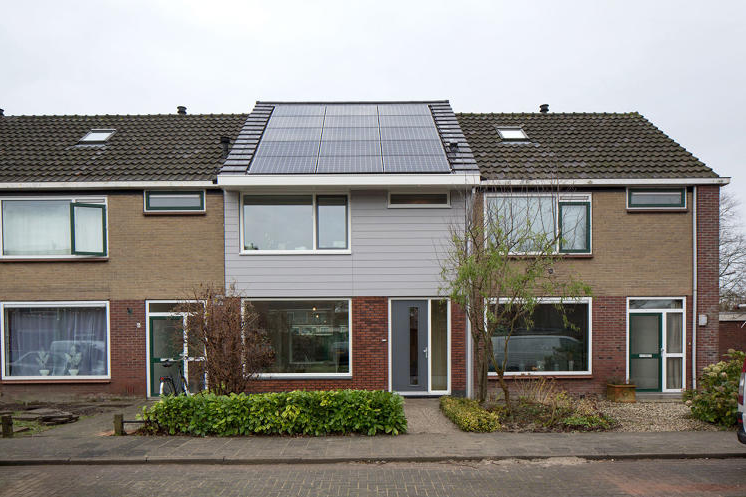
- Renewable Energy Integration: On-site generation (typically solar PV) sized to offset the home’s modeled annual energy use.
Certification Process and Verification
The path to net-zero certification under the Energy Star framework involves several steps:
- Design and Modeling: The home is designed using energy modeling software to predict annual energy use and renewable generation needs.
- Construction: Builders follow Energy Star construction checklists, focusing on insulation, air sealing, and efficient systems.
- On-Site Inspections: Third-party verifiers conduct inspections and performance testing, including blower door and duct leakage tests.
- Renewable Energy Installation: Solar panels or other renewable systems are installed and sized to meet the modeled energy demand.
- Final Verification: The home’s performance is confirmed through documentation and testing, ensuring it meets both Energy Star and net-zero criteria.
For a detailed look at how net-zero certification compares to other standards, the net-zero home certification standards article provides a comprehensive overview.
Comparing Net-Zero Energy Star Homes to Other Green Certifications
While Energy Star focuses on energy efficiency and performance, other green building certifications, such as LEED and PHIUS, take a broader approach by including water use, materials, and site sustainability. For example, LEED net-zero homes explained covers additional criteria related to indoor air quality, resource conservation, and community impact.
Understanding the differences and overlaps between these programs can help homeowners and builders select the best path for their project. For a side-by-side comparison, see the PHIUS passive house net-zero comparison resource.
Benefits of Meeting Net-Zero Efficiency Standards
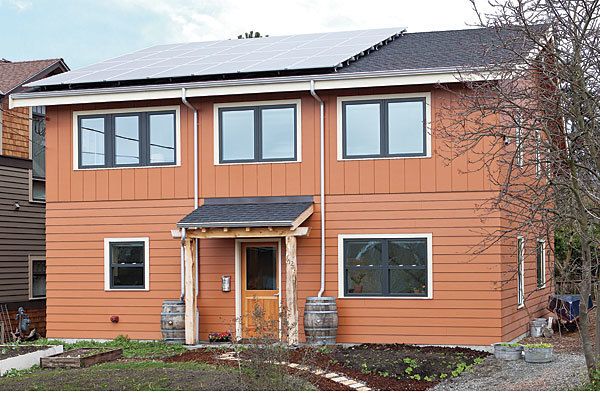
Homes that satisfy these advanced efficiency benchmarks offer several advantages:
- Lower Utility Bills: Reduced energy consumption and on-site generation can eliminate or drastically reduce electricity costs.
- Increased Comfort: Superior insulation and air sealing create more consistent indoor temperatures and fewer drafts.
- Improved Indoor Air Quality: Advanced ventilation and moisture management reduce allergens and pollutants.
- Environmental Impact: Net-zero homes significantly lower greenhouse gas emissions and reliance on fossil fuels.
- Resale Value: Certified high-performance homes often command higher resale prices and attract eco-conscious buyers.
For more on how these standards fit into the broader world of sustainable construction, the green building certifications explained article is a helpful resource.
Common Challenges and Solutions
While the benefits are clear, achieving these requirements can present challenges:
- Upfront Costs: High-performance materials and renewable energy systems can increase initial investment, but long-term savings often offset these costs.
- Design Complexity: Integrating all efficiency measures requires careful planning and coordination among architects, builders, and energy consultants.
- Verification: Third-party testing and documentation are essential, requiring coordination and attention to detail.
Many builders use tools like energy monitors and thermal imaging cameras to identify inefficiencies and verify performance. For more insights into the future of sustainable construction, see this overview of net-zero buildings and their impact on the industry.
FAQ
What is the difference between an Energy Star Certified Home and a Net-Zero Energy Home?
An Energy Star Certified Home meets strict efficiency criteria for insulation, windows, HVAC, and appliances, resulting in lower energy use than standard homes. A net-zero energy home goes further by generating enough renewable energy on-site to offset its annual consumption, typically through solar panels. All net-zero homes must first meet Energy Star standards before adding renewable energy systems.
How do I verify that my home meets net-zero requirements?
Verification involves third-party inspections, energy modeling, and performance testing (such as blower door and duct leakage tests). Documentation of installed systems and measured energy use is required to confirm compliance with both Energy Star and net-zero criteria.
Are net-zero homes more expensive to build?
Upfront costs can be higher due to advanced materials, efficient systems, and renewable energy installations. However, these costs are often offset by lower utility bills, potential incentives, and increased property value over time.


