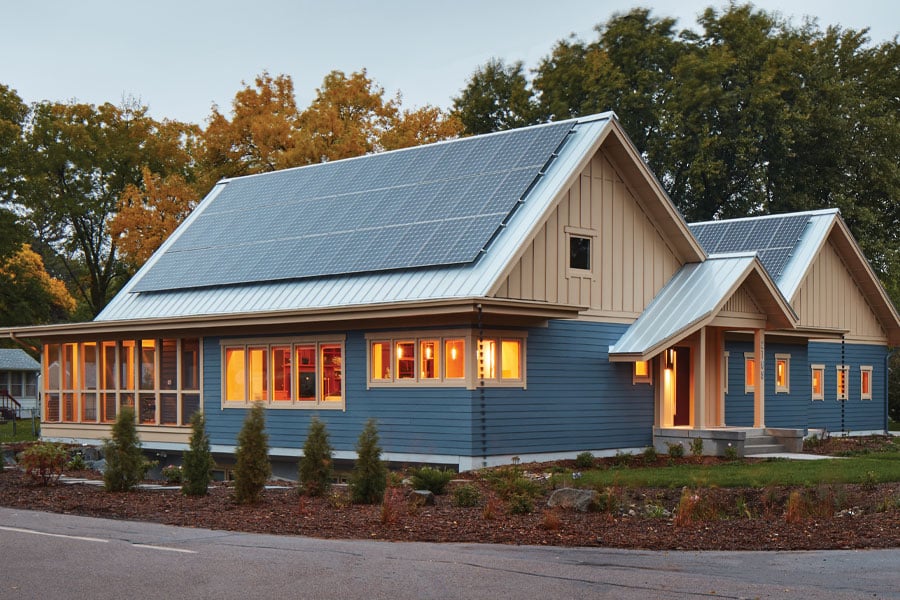

Building a net-zero home means creating a living space that produces as much energy as it consumes over the course of a year. One of the most critical components in achieving this balance is selecting energy efficient heating solutions that minimize energy use while maintaining comfort. As demand for sustainable construction grows, homeowners, builders, and designers are seeking the best methods to ensure that heating systems align with net-zero goals. This article explores leading approaches, practical considerations, and actionable tips for integrating high-performance heating into net-zero construction projects.
Understanding the principles behind energy efficient heating net-zero construction is essential for anyone looking to reduce their carbon footprint and energy bills. Whether you are planning a new build or retrofitting an existing property, the right heating strategy can make a significant difference in both environmental impact and long-term savings.
For those interested in optimizing every aspect of their home’s energy system, understanding how to manage excess energy is also important. See our net metering net-zero homes guide for insights on selling surplus power back to the grid.
Why Heating Efficiency Matters in Net-Zero Homes
Heating is often the largest source of energy consumption in residential buildings, especially in colder climates. In net-zero construction, every watt counts. By prioritizing energy efficient heating systems, builders can dramatically reduce the amount of renewable energy required to offset usage. This not only lowers upfront investment in solar panels or wind turbines but also improves the overall sustainability of the home.
Key benefits of efficient heating in net-zero buildings include:
- Reduced operational costs through lower energy bills
- Smaller renewable energy systems needed for offsetting usage
- Increased comfort due to consistent indoor temperatures
- Lower carbon emissions and environmental impact
Core Principles of Energy Efficient Heating in Net-Zero Construction
To achieve true net-zero performance, heating solutions must be integrated into a holistic building strategy. This involves:
- High-performance building envelope: Superior insulation, airtight construction, and energy-efficient windows reduce heat loss and demand on heating systems.
- Right-sized equipment: Oversized or undersized systems waste energy. Proper load calculations ensure optimal performance and longevity.
- Renewable energy integration: Heating systems should be compatible with on-site renewable sources, such as solar or geothermal energy.
- Smart controls: Programmable thermostats and zoning allow for precise temperature management and further energy savings.
For more on integrating renewables, explore our guide to renewable energy integration net-zero homes.
Top Heating Methods for Net-Zero Construction
Several technologies stand out for their ability to deliver high efficiency and compatibility with net-zero goals. Here are the leading options:
1. Air Source Heat Pumps: The All-Rounder
Air source heat pumps (ASHPs) are a popular choice for net-zero homes due to their ability to extract heat from outdoor air—even in cold climates—and transfer it indoors. Modern ASHPs can achieve efficiencies of 300% or more, meaning they deliver three units of heat for every unit of electricity consumed. They are suitable for both new builds and retrofits, and can provide both heating and cooling.
Advantages:
- High efficiency and low operating costs
- Easy integration with solar PV systems
- Minimal maintenance requirements
Considerations:
- Performance drops in extreme cold (supplemental heating may be needed)
- Requires well-sealed, insulated homes for best results

2. Ground Source Heat Pumps: Harnessing Earth’s Energy
Ground source (geothermal) heat pumps use the stable temperature of the earth to provide heating and cooling. These systems are among the most efficient available, with coefficients of performance (COP) often exceeding 4.0. While installation costs are higher due to the need for underground piping, operational savings and longevity make them a strong contender for net-zero projects.
Advantages:
- Extremely high efficiency and reliability
- Stable performance regardless of outdoor temperature
- Long system lifespan (20+ years for equipment, 50+ years for ground loops)
Considerations:
- Higher upfront costs and site-specific feasibility
- Requires sufficient land for ground loop installation
3. Radiant Floor Heating: Comfort and Efficiency
Radiant floor heating systems circulate warm water through pipes embedded in the floor, delivering even, comfortable heat. When paired with a heat pump or high-efficiency boiler, radiant systems can be an excellent fit for net-zero homes. They operate at lower temperatures than traditional radiators, further improving efficiency.
Advantages:
- Uniform warmth and improved comfort
- Reduced energy use due to lower operating temperatures
- No ductwork, minimizing air leakage
Considerations:
- Best suited for new construction or major renovations
- Higher installation cost compared to forced air
4. Electric Resistance Heating: When Simplicity Counts
While electric resistance heating (such as baseboard heaters) is less efficient than heat pumps, it can be a practical solution in ultra-efficient, small net-zero homes where heating demand is minimal. When powered by on-site renewables, these systems can still contribute to a zero-energy balance, but they should be used judiciously due to higher operational costs.
Smart Controls and Monitoring for Optimal Performance
Advanced controls are essential for maximizing the efficiency of any heating system in a net-zero home. Smart thermostats, zoning, and real-time monitoring allow homeowners to fine-tune comfort and minimize waste. Devices like energy monitors and thermal imaging cameras can help identify inefficiencies and optimize system operation.
Regularly reviewing energy usage data helps ensure that the home is performing as intended and can highlight opportunities for further improvements. For more on maximizing power and storage, see our article on energy storage systems net-zero housing.

Integrating Heating with Other Net-Zero Systems
Heating does not exist in isolation. The most successful net-zero homes take a whole-building approach, ensuring that heating, cooling, ventilation, and renewable energy systems work together seamlessly. For example, pairing a heat pump with solar panels and a battery storage system can further reduce reliance on the grid and improve resilience.
For homes that remain connected to the utility grid, understanding how to balance power flows is crucial. Learn more in our guide to grid tied net-zero homes explained.
Additional Considerations for Net-Zero Heating
When planning a high-performance heating system, keep these factors in mind:
- Climate zone: The local climate will influence the best heating solution for your project.
- Building size and layout: Compact, well-insulated homes require less heating and can use simpler systems.
- Occupant behavior: Educating residents on efficient operation and maintenance is key to long-term success.
- Future-proofing: Choose systems that are adaptable to new technologies and evolving energy codes.
For a foundational overview of sustainable building, see the basics of net-zero housing from NAIMA Canada.
FAQ: Energy Efficient Heating in Net-Zero Homes
What is the most efficient heating system for a net-zero home?
The most efficient systems are typically ground source and air source heat pumps, due to their high coefficients of performance and ability to integrate with renewable energy. The best choice depends on climate, site conditions, and budget.
Can radiant floor heating be used in all net-zero homes?
Radiant floor heating is highly efficient and comfortable, but it is best suited for new construction or major renovations. It pairs well with heat pumps and can help maintain even temperatures in well-insulated buildings.
How can I monitor and improve my home’s heating efficiency?
Use smart thermostats, energy monitors, and thermal imaging cameras to track performance and identify areas for improvement. Regular maintenance and reviewing energy data are essential for ongoing efficiency.
Is it possible to achieve net-zero with electric resistance heating?
While possible in very efficient, small homes with low heating demand and robust renewable energy systems, electric resistance heating is generally less efficient than heat pumps. It should be used carefully to avoid high operational costs.
How do heating systems interact with other net-zero technologies?
Heating should be part of an integrated strategy that includes insulation, ventilation, renewable energy, and storage. Coordinating these systems maximizes efficiency and ensures year-round comfort.