

Achieving true comfort in a net-zero home requires more than just energy-efficient construction and renewable energy sources. The right cooling systems are essential for maintaining a healthy indoor environment while keeping energy use to a minimum. This guide explores the most effective strategies and technologies for sustainable cooling, offering practical insights for homeowners, builders, and anyone interested in high-performance housing.
Net-zero homes are designed to produce as much energy as they consume over the course of a year, often through a combination of solar panels, airtight construction, and advanced insulation. However, maintaining comfortable temperatures—especially during hot weather—can be a challenge without the right approach to cooling. Selecting and integrating efficient cooling solutions is crucial for maximizing comfort and minimizing environmental impact.
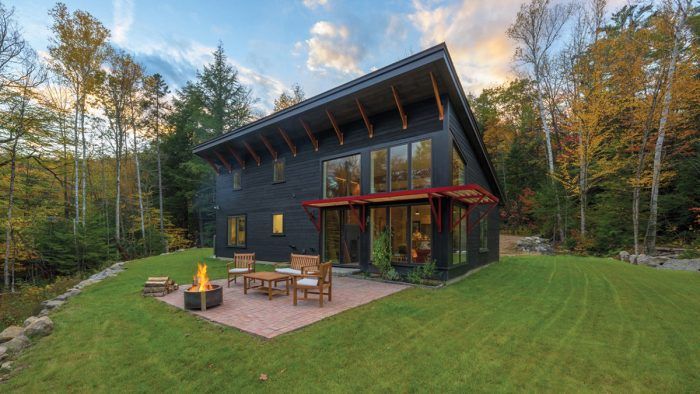
For those interested in a holistic approach to sustainable living, consider exploring off grid net-zero home systems to achieve total independence and resilience.
Why Efficient Cooling Matters in Net-Zero Homes
Cooling can be one of the largest energy loads in a home, especially in regions with hot summers. In net-zero buildings, every watt counts. Inefficient cooling not only increases energy demand but can also compromise indoor air quality and comfort. By choosing the right systems and integrating them with the home’s overall design, it’s possible to reduce cooling loads, lower operating costs, and maintain a healthy indoor environment.
Key reasons to prioritize efficient cooling include:
- Lower energy bills and reduced reliance on the grid
- Enhanced comfort and consistent indoor temperatures
- Improved indoor air quality
- Reduced environmental impact
- Longer lifespan for HVAC equipment
Passive Cooling Strategies for Sustainable Homes
Before investing in mechanical systems, it’s important to consider passive design techniques that minimize the need for active cooling. These methods are foundational in any cooling systems net-zero homes guide and can significantly reduce energy consumption.
- Orientation and Shading: Positioning windows and living spaces to minimize direct sun exposure during peak hours. Use of overhangs, awnings, and vegetation for natural shading.
- High-Performance Insulation: Proper insulation in walls, roofs, and floors helps maintain stable indoor temperatures and reduces heat gain.
- Air Sealing: Eliminating leaks and drafts prevents unwanted heat from entering the home.
- Natural Ventilation: Strategically placed operable windows and vents can promote cross-ventilation and night cooling.
- Thermal Mass: Materials like concrete or stone can absorb heat during the day and release it at night, stabilizing indoor temperatures.
Combining these passive strategies with efficient mechanical cooling is the most effective way to achieve comfort and energy savings.
Mechanical Cooling Options for Net-Zero Homes
When passive measures are not enough, mechanical systems provide precise temperature control. The following technologies are commonly used in high-performance homes:
Heat Pumps: The Backbone of Efficient Cooling
Heat pumps are a cornerstone of modern net-zero design. These systems transfer heat rather than generate it, making them much more efficient than traditional air conditioners. There are two main types:
- Air-Source Heat Pumps: Extract heat from indoor air and release it outside during summer. Modern models are highly efficient, even in extreme climates.
- Ground-Source (Geothermal) Heat Pumps: Use the stable temperature of the earth to provide both heating and cooling. They require a larger upfront investment but offer exceptional efficiency and long-term savings.
For a deeper look at integrating renewables with HVAC, see this resource on renewable energy integration net-zero homes.
Ductless Mini-Split Systems
Ductless mini-splits are ideal for homes with zoned cooling needs or where ductwork is impractical. These systems offer high efficiency, quiet operation, and the ability to control temperatures in individual rooms. Their flexibility makes them a popular choice for retrofits and new builds alike.
ERVs and HRVs: Enhancing Indoor Air Quality
Energy Recovery Ventilators (ERVs) and Heat Recovery Ventilators (HRVs) are not cooling systems in the traditional sense, but they play a vital role in net-zero homes. By exchanging stale indoor air with fresh outdoor air while recovering energy, these systems help maintain comfort and air quality without significant energy loss.
Smart Controls and Energy Monitoring
Integrating smart thermostats and energy monitors allows homeowners to optimize cooling schedules and track energy use in real time. Devices like the Emporia Vue 3 provide detailed insights into household energy consumption, making it easier to identify opportunities for savings and system optimization.
Thermal imaging cameras can also be used to detect areas of heat gain or loss, helping to fine-tune insulation and air sealing for maximum efficiency.
Integrating Cooling with the Whole Home System
For net-zero performance, cooling systems must work in harmony with other elements of the home. This includes:
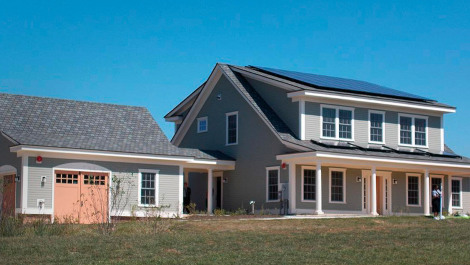
- Solar PV systems to offset electricity use
- Battery storage for managing peak loads (energy storage systems net-zero housing)
- Efficient heating solutions (energy efficient heating net-zero construction)
- Grid-tied or off-grid configurations depending on location and goals
For an overview of how to balance power with utility connections, see grid tied net-zero homes explained.
Choosing the Right Cooling System for Your Net-Zero Home
The optimal cooling solution depends on climate, home size, budget, and personal preferences. Here are some decision factors to consider:
- Climate Zone: Hot, humid climates may benefit from systems with dehumidification capabilities, while dry regions might prioritize evaporative cooling.
- Home Design: Open floor plans, window placement, and insulation levels all influence cooling needs.
- Renewable Integration: Systems that can be powered by solar or other renewables help maintain net-zero status.
- Maintenance and Lifespan: Choose equipment known for reliability and ease of service.
- Initial Cost vs. Long-Term Savings: Higher upfront investment in efficient systems often pays off through lower operating costs.
Consulting with a builder experienced in net-zero home construction best practices can help ensure that cooling solutions are tailored to your specific needs.
Frequently Asked Questions
What is the most energy-efficient cooling system for a net-zero home?
Heat pumps, especially ground-source (geothermal) models, are among the most efficient options. Ductless mini-splits and well-designed passive strategies can also significantly reduce energy use.
How can I reduce cooling loads without sacrificing comfort?
Focus on passive measures first: improve insulation, seal air leaks, use shading, and take advantage of natural ventilation. Combine these with efficient mechanical systems and smart controls for best results.
Can I use solar power to run my cooling system?
Yes, solar photovoltaic panels can offset the electricity used by cooling equipment. Integrating battery storage can further increase independence and resilience, especially in off-grid or grid-tied net-zero homes.
Conclusion
Creating a truly comfortable and sustainable home requires a thoughtful approach to cooling. By combining passive design, efficient mechanical systems, and smart controls, net-zero homeowners can enjoy year-round comfort with minimal environmental impact. Each element—from insulation to energy monitoring—plays a role in achieving both comfort and sustainability. With careful planning and the right technology, net-zero living is not only possible but practical for a wide range of climates and lifestyles.

