Skip to content
Bruce Massey Construction Bruce Massey Construction

Where Vision Meets Precision

  • Home
  • About Us
  • Blog
  • Contact Us
    • Terms of Use
    • Privacy Policy
Bruce Massey Construction

Where Vision Meets Precision

Passive House in Different Climates

Elan James, November 8, 2025February 12, 2026

Building a passive house that can withstand various climatic conditions is a challenge that many architects and homeowners face. The concept of a passive house is to create a comfortable and energy-efficient living environment that can adapt to different climates. This guide will delve into the intricacies of constructing such a house and the considerations needed for different climates.

Before we delve into the details, it is crucial to understand the concept of a passive house. A passive house is designed to be extremely energy efficient, reducing its ecological footprint. It makes optimal use of the sun, internal heat sources, and heat recovery, rendering conventional heating systems unnecessary throughout even the coldest of winters. To learn more about passive houses, you can visit this comprehensive guide.

Designing a Passive House for Cold Climates

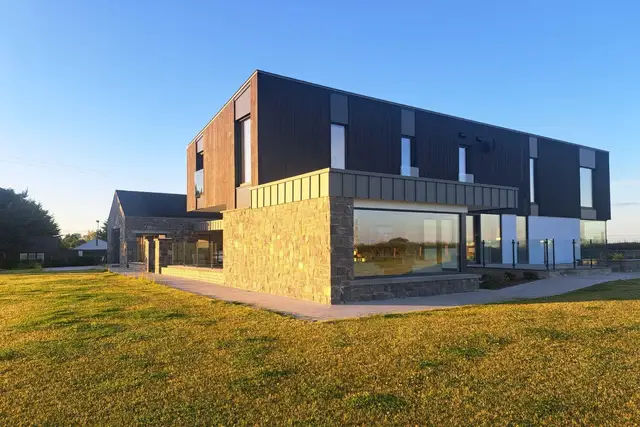
passive house in different climates Passive House in Different Climates

In colder climates, the design of a passive house should focus on maximizing heat gain and minimizing heat loss. This can be achieved through proper insulation, airtight construction, and efficient heat recovery ventilation systems. You can learn more about these techniques in our article on mechanical ventilation with heat recovery.

Designing a Passive House for Warm Climates

passive house in different climates Passive House in Different Climates

In warmer climates, the focus shifts to minimizing heat gain and maximizing heat dissipation. This is achieved through strategies such as shading, natural ventilation, and the use of materials with high thermal mass. You can read more about these techniques in our article on passive cooling techniques.

Regardless of the climate, a passive house can provide a comfortable and energy-efficient living environment. However, it requires careful planning and design to achieve this. If you’re considering building a passive house, you might want to adapt solar power setup and adapt to every climate for optimal performance.

By Elan James, Published on 2025-11-08

Blog BlogHow-To Guidespassive house in different climates

Post navigation

Previous post
Next post

Related Posts

Blog Indoor Air Quality

In what ways can we manage indoor air quality

April 14, 2024February 12, 2026
Read More
Blog Green Construction

Passive house design diy tips

May 7, 2025February 12, 2026

Building a passive house is an exciting journey toward sustainable living. For homeowners and real estate developers, understanding the intricacies of passive house design can lead to significant energy savings and a smaller environmental footprint. This article will provide you with DIY tips that are easy to implement and beneficial…

Read More
Blog Attic

Attic emergency exits installation

April 16, 2025February 12, 2026

When it comes to home safety, the installation of attic emergency exits is crucial. Whether you’re a homeowner looking to improve your home’s safety or a real estate developer ensuring compliance with building codes, understanding the importance of these exits is essential. In this article, we’ll explore everything you need…

Read More

Recent Posts

  • Kitchen Remodeling Safety Tips Every Homeowner Should Know
  • Energy Efficient Kitchen Remodeling Ideas to Save Power
  • How to Measure a Kitchen for Remodeling the Right Way
  • Kitchen Remodeling Electrical Planning Guide for Safe Upgrades
  • Airborne Contaminants in Homes Explained
©2026 Bruce Massey Construction | WordPress Theme by SuperbThemes