
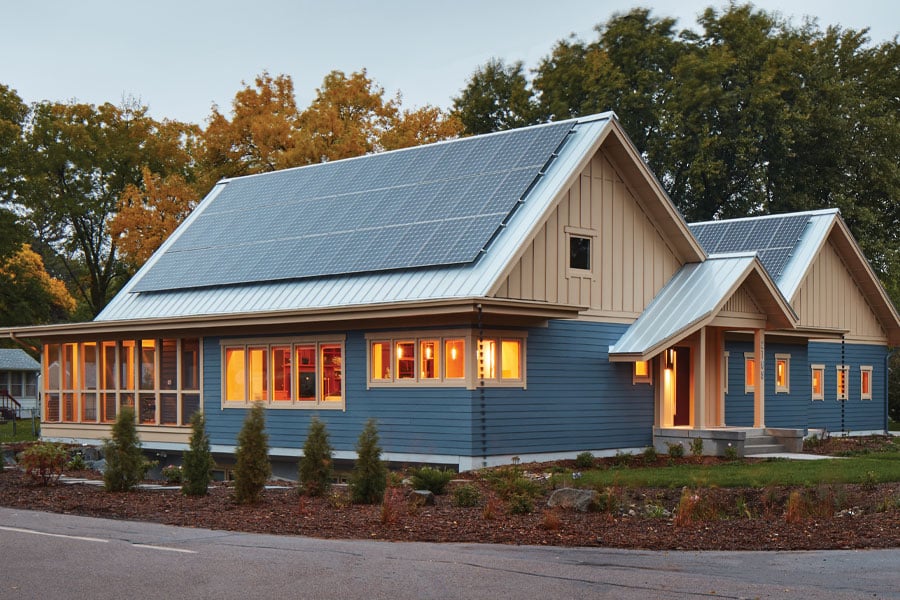

Building a home that produces as much energy as it consumes is no longer a distant dream. Thanks to advancements in technology and building science, more homeowners are exploring net-zero house design basics to create comfortable, sustainable, and cost-effective living spaces. Whether you’re planning a new build or considering a major renovation, understanding the core concepts behind these homes is the first step toward a greener future.
This guide breaks down the foundational principles of net-zero residential design, from energy efficiency and airtight construction to renewable energy integration. By the end, you’ll have a clear overview of what it takes to achieve a truly energy-balanced home—and where to start your journey.
For a more detailed, step-by-step approach to creating a zero-energy home, see how to build a net-zero home for practical advice and planning tips.
What Does “Net-Zero” Really Mean?
At its core, a net-zero home is designed to generate as much renewable energy as it uses over the course of a year. This balance is achieved by combining ultra-efficient building techniques with on-site energy production, typically through solar panels. The result is a home with minimal energy bills and a dramatically reduced carbon footprint.
Net-zero is not just about adding solar panels to a traditional house. It’s a holistic approach that starts with reducing energy demand through smart design, then meeting those needs with clean, renewable sources. The main pillars of this approach include:
- Super-insulated building envelope to minimize heat loss and gain
- High-performance windows and doors
- Advanced air sealing for airtightness
- Efficient heating, cooling, and ventilation systems
- On-site renewable energy generation
Key Principles of Net-Zero Residential Design
Let’s explore the essential elements that make up the foundation of an energy-balanced home. By focusing on these principles, you’ll be well on your way to understanding net-zero house design basics and how to apply them to your project.
1. Prioritize Energy Efficiency First
The most cost-effective energy is the energy you never use. Before considering renewable energy systems, it’s crucial to minimize your home’s energy demand. This involves:
- Designing for compact, simple shapes to reduce surface area and thermal bridging
- Maximizing insulation in walls, roofs, and floors
- Choosing high-performance, triple-glazed windows
- Eliminating air leaks through careful sealing and continuous air barriers
By reducing the amount of energy needed for heating, cooling, and daily living, you’ll require a much smaller—and more affordable—renewable energy system to reach net-zero.
2. Airtight Construction and Quality Control
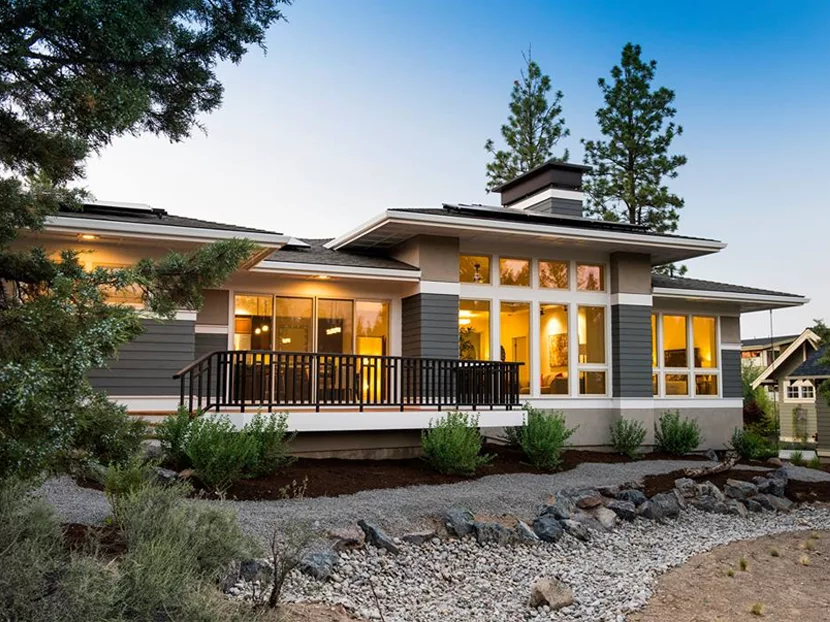
Air leaks can undermine even the best insulation. Achieving a tight building envelope is essential for controlling energy loss and maintaining indoor comfort. Builders use blower door tests and thermal imaging to detect and seal gaps around windows, doors, electrical outlets, and other penetrations.
Attention to detail during construction—especially at corners, joints, and transitions—ensures the home stays airtight for decades. This not only saves energy but also improves durability and indoor air quality.
3. High-Performance Windows and Doors
Windows and doors are often the weakest links in a home’s thermal envelope. Selecting products with low U-values and high solar heat gain coefficients (SHGC) helps keep heat in during winter and out during summer. Proper placement and shading can also optimize natural light while minimizing unwanted heat gain or loss.
Look for ENERGY STAR-rated or Passive House-certified windows and doors to meet the rigorous demands of net-zero construction.
4. Efficient Heating, Cooling, and Ventilation
With a super-insulated, airtight envelope, heating and cooling loads are dramatically reduced. This allows for the use of smaller, more efficient systems such as:
- Air-source or ground-source heat pumps
- Heat recovery ventilators (HRVs) or energy recovery ventilators (ERVs) for continuous fresh air
- Radiant floor heating or ductless mini-splits
These systems provide year-round comfort while using a fraction of the energy required by conventional HVAC equipment.

5. Renewable Energy Integration
Once your home’s energy needs are minimized, the next step is to generate clean power on-site. Solar photovoltaic (PV) panels are the most common solution, but wind turbines or geothermal systems may also be viable depending on your location.
The size of your renewable energy system should be based on your home’s projected annual energy use. Many homeowners choose to install battery storage for backup power and increased self-sufficiency.
For a deeper dive into the fundamentals, the basics of net-zero housing resource offers additional background and technical insights.
Smart Design Strategies for Beginners
Getting started with net-zero construction doesn’t have to be overwhelming. Here are some practical strategies for beginners:
- Work with architects and builders experienced in energy-efficient design
- Orient your home to maximize passive solar gain and natural daylight
- Use energy modeling software to predict performance and optimize design choices
- Choose durable, low-maintenance materials to reduce long-term costs
- Plan for future upgrades, such as adding more solar panels or battery storage
It’s also helpful to learn from others who have completed similar projects. Case studies and builder portfolios can provide inspiration and real-world lessons.
Common Challenges and How to Overcome Them
While the benefits of net-zero living are clear, there are some challenges to consider:
- Upfront costs: High-performance materials and systems can increase initial expenses, but long-term energy savings often offset these costs.
- Finding qualified professionals: Not all builders are familiar with net-zero principles. Look for those with relevant certifications and experience.
- Local climate and codes: Design strategies must be tailored to your region’s weather and building regulations.
By planning ahead and working with knowledgeable experts, these obstacles can be managed effectively. For more inspiration on sustainable upgrades, you might also explore kitchen remodeling visual balance tips to harmonize energy efficiency with interior design.
FAQ: Net-Zero Home Fundamentals
What is the difference between net-zero and passive house?
While both focus on energy efficiency, passive house standards emphasize minimizing energy use through insulation and airtightness, sometimes without requiring on-site renewable energy. Net-zero homes must balance their annual energy use with renewable generation, often combining passive house techniques with solar or other clean energy systems.
Is it possible to retrofit an existing home to net-zero?
Yes, but it can be more challenging than starting from scratch. Retrofitting involves upgrading insulation, windows, and air sealing, as well as installing efficient mechanical systems and renewable energy. The process may require creative solutions to address existing structural limitations.
How much does it cost to build a net-zero home?
Costs vary based on location, size, and design choices. While initial construction may be 5–15% higher than conventional homes, ongoing energy savings and incentives can make net-zero homes more affordable over time. Consulting with experienced professionals and using energy modeling can help control costs and maximize value.
Conclusion: Building Toward a Sustainable Future
Understanding net-zero house design basics is the first step toward creating a home that’s comfortable, resilient, and environmentally responsible. By focusing on energy efficiency, airtight construction, high-performance windows, and on-site renewable energy, you can dramatically reduce your home’s environmental impact and utility bills. With careful planning and the right team, achieving a net-zero home is within reach for many homeowners today.