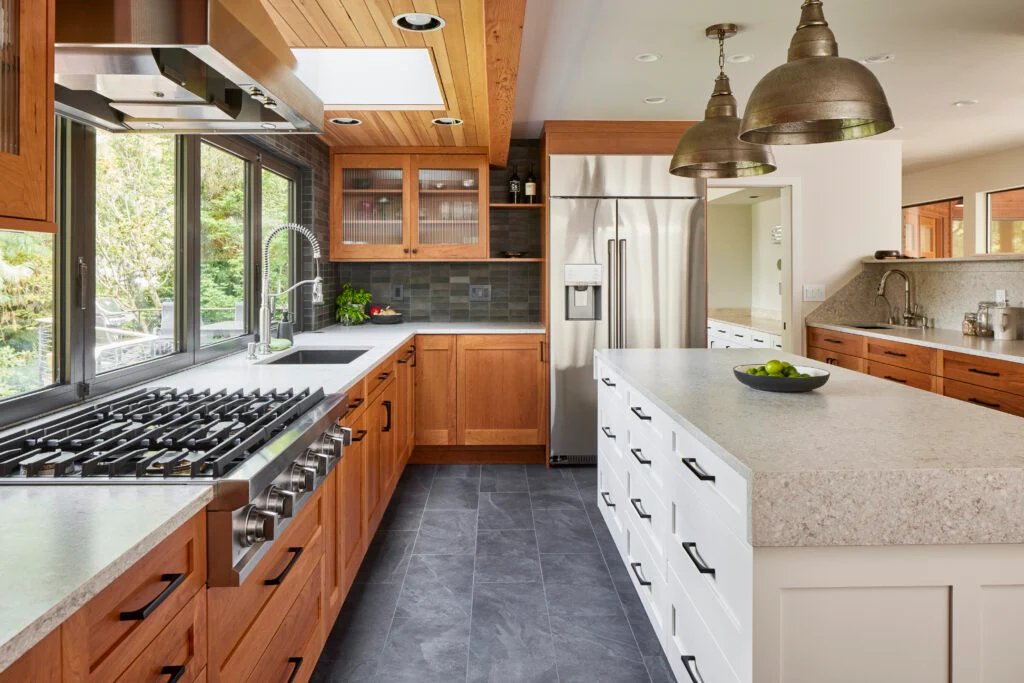

For many homeowners, the kitchen is the heart of the home—a place for cooking, gathering, and making memories. Over time, however, kitchens can become outdated, inefficient, or simply no longer meet your needs. That’s where kitchen remodeling comes in. This process involves updating, redesigning, or completely transforming your kitchen to improve its appearance, functionality, and value.
Whether you’re dreaming of a modern upgrade, need more storage, or want to create a more open layout, understanding the essentials of renovating your kitchen is key. This guide will walk you through what the process involves, the benefits, common steps, and practical tips to help you make informed decisions for your home.
Before diving into the details, you might also find inspiration in kitchen remodeling compact kitchen ideas for small spaces, which can help maximize every inch of your home.
Understanding the Kitchen Remodeling Process
At its core, kitchen remodeling refers to the process of making significant changes to your kitchen’s design, layout, fixtures, and finishes. This can range from minor updates—like replacing countertops or painting cabinets—to full-scale renovations that involve tearing down walls, installing new appliances, and reconfiguring the entire space.
The main goals of a kitchen renovation typically include:
- Improving workflow and efficiency
- Enhancing aesthetics and style
- Increasing storage and organization
- Upgrading appliances and fixtures
- Boosting home value
Every project is unique, but most follow a similar sequence of planning, design, demolition, installation, and finishing touches.
Key Reasons Homeowners Choose to Remodel
There are many motivations for updating your kitchen. Some of the most common reasons include:
- Outdated design: Styles change over time, and what was trendy a decade ago may now feel tired or impractical.
- Improved functionality: As families grow or lifestyles change, the kitchen’s layout may no longer fit your needs.
- Energy efficiency: New appliances and lighting can reduce utility bills and environmental impact.
- Increased home value: A well-designed kitchen can make your home more attractive to buyers and boost resale value.
- Personal enjoyment: Creating a space that reflects your taste and supports your daily routines can make cooking and entertaining more enjoyable.
Types of Kitchen Remodeling Projects
Not all kitchen updates are created equal. Here’s a look at the main types of projects homeowners undertake:
- Cosmetic updates: These include painting, new hardware, backsplash installation, or swapping out light fixtures. They’re usually less expensive and less disruptive.
- Partial remodels: These projects might involve replacing cabinets, countertops, or flooring, but keep the existing layout intact.
- Full renovations: A complete overhaul may include moving walls, changing the floor plan, updating plumbing and electrical, and installing all-new finishes and appliances.
Deciding which approach is right for you depends on your goals, budget, and the current condition of your kitchen.
Essential Steps in a Kitchen Renovation
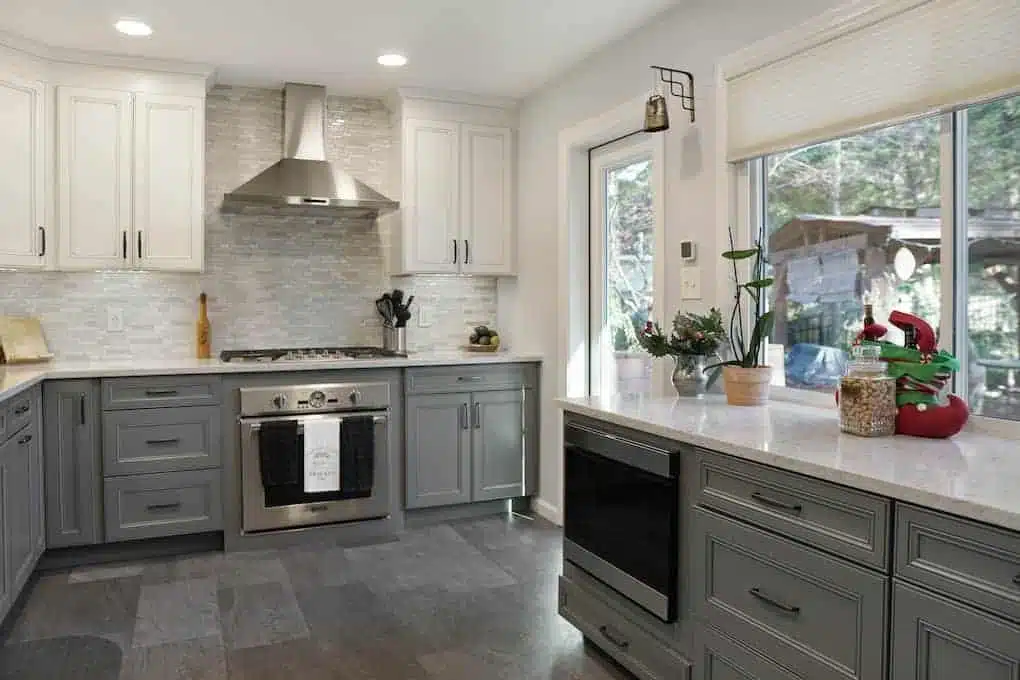
Successfully transforming your kitchen involves several important phases. Here’s a breakdown of the typical steps:
- Planning and budgeting: Define your goals, set a realistic budget, and decide on the scope of your project.
- Design and layout: Work with a designer or use online tools to create a functional and attractive plan. Consider workflow, storage, and style preferences.
- Selecting materials and finishes: Choose cabinets, countertops, flooring, appliances, lighting, and fixtures that fit your vision and budget.
- Hiring professionals: Depending on the complexity, you may need contractors, electricians, plumbers, or designers.
- Demolition: Remove old cabinets, countertops, and appliances as needed.
- Installation: Install new elements, including cabinetry, countertops, appliances, and lighting.
- Finishing touches: Add hardware, paint, backsplashes, and final details to complete the look.
Throughout the process, clear communication with your contractor and careful planning can help prevent delays and unexpected costs.
Popular Kitchen Remodeling Ideas and Trends
Modern kitchen makeovers often incorporate a mix of style and practicality. Some current trends include:
- Open layouts: Removing walls to create a seamless flow between the kitchen and living areas.
- Smart appliances: Integrating technology for convenience and energy savings.
- Quartz countertops: Durable, low-maintenance surfaces that come in a variety of colors and patterns.
- Custom storage solutions: Pull-out shelves, deep drawers, and built-in organizers to maximize space.
- Statement lighting: Pendant lights, under-cabinet LEDs, and recessed fixtures for both function and style.
For more inspiration, you can explore kitchen design styles and layout options from leading home improvement sources.
Tips for a Successful Kitchen Makeover
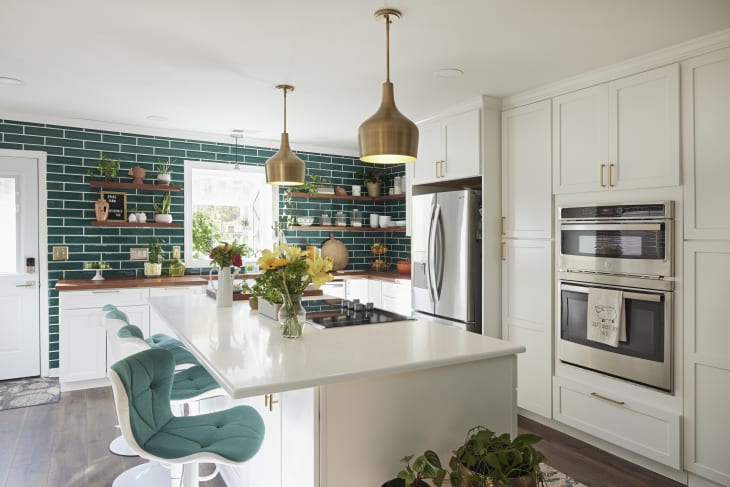
To ensure your project goes smoothly and delivers the results you want, keep these tips in mind:
- Set priorities: Decide what matters most—function, style, or budget—and allocate resources accordingly.
- Plan for the unexpected: Build a contingency fund for surprises like hidden water damage or electrical issues.
- Think about workflow: The classic “work triangle” (sink, stove, refrigerator) is still a useful guideline for efficient layouts.
- Don’t overlook lighting: Good lighting makes a big difference in both appearance and usability.
- Choose durable materials: Kitchens see heavy use, so invest in surfaces and finishes that can stand up to daily wear and tear.
If you’re working with a small space, check out these kitchen remodeling space optimization tips to make the most of your layout.
How Kitchen Remodeling Adds Value
One of the most appealing aspects of a kitchen upgrade is its potential to increase your home’s value. Real estate experts often cite kitchen renovations as one of the best investments you can make. A well-designed, modern kitchen can:
- Attract more buyers if you decide to sell
- Command a higher selling price
- Reduce time on the market
Even if you’re not planning to move soon, a refreshed kitchen can improve your quality of life and make your home more enjoyable for years to come.
Frequently Asked Questions
How long does a typical kitchen remodel take?
The timeline for a kitchen renovation varies depending on the scope of work. Cosmetic updates may take just a few days, while a full renovation can last several weeks or even months. Factors like material availability, contractor schedules, and unexpected issues can affect the timeline.
What is the average cost of remodeling a kitchen?
Costs can range widely based on the size of your kitchen, the quality of materials, and the extent of the changes. Minor updates might cost a few thousand dollars, while major overhauls can exceed $50,000. Setting a clear budget and getting multiple quotes can help you plan effectively.
Do I need permits for a kitchen remodel?
Permits are often required for work that involves plumbing, electrical, or structural changes. Check with your local building department or consult your contractor to ensure you have the necessary approvals before starting your project.
Conclusion
Transforming your kitchen is a significant undertaking, but with careful planning and the right resources, it can dramatically improve your home’s comfort, style, and value. Whether you’re considering a simple refresh or a complete overhaul, understanding the essentials of kitchen renovation will help you make choices that fit your needs and budget. For more creative ideas, you might also explore kitchen remodeling texture design ideas or kitchen remodeling accent wall ideas to add unique touches to your space. With the right approach, your kitchen can become a beautiful, functional centerpiece for your home.