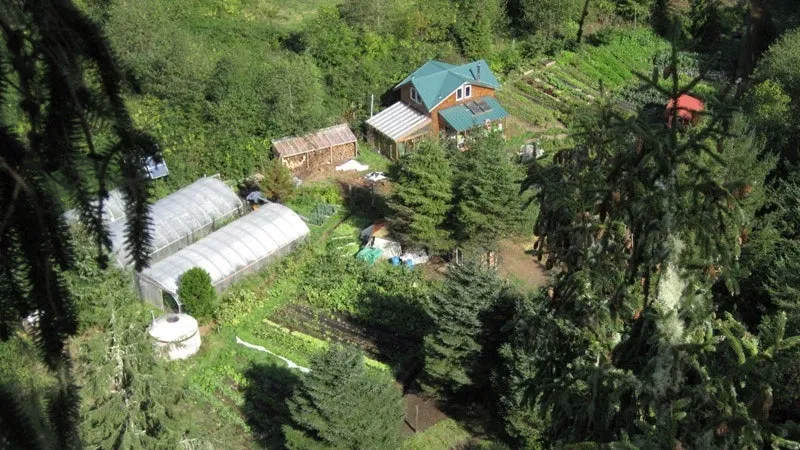
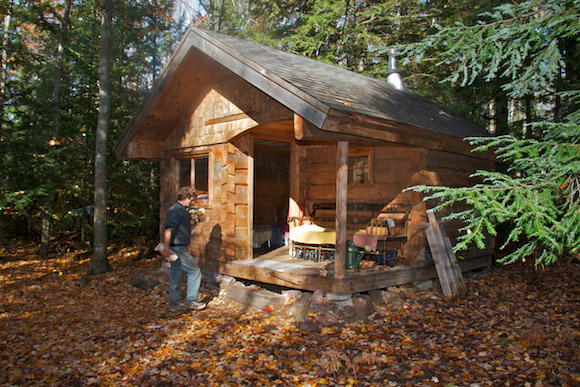
Living independently in regions with harsh winters requires careful planning, resourcefulness, and a willingness to adapt. Off-grid homesteading in cold climates presents unique challenges—extreme temperatures, heavy snowfall, and limited daylight—but it also offers the rewards of self-reliance and a deep connection to nature. Whether you’re seeking energy independence, a sustainable lifestyle, or simply a quieter pace, this guide provides practical strategies for thriving in cold environments.
From choosing the right shelter and heating methods to growing food and managing water, each aspect of life off the grid needs to be tailored to withstand the demands of winter. Early decisions, such as optimizing your kitchen for efficiency, can make daily routines smoother. For ideas on maximizing small spaces, see kitchen remodeling compact kitchen ideas for inspiration.
Choosing the Right Location for Winter Resilience
Success in remote, snowy regions starts with site selection. Look for land with natural windbreaks, such as forests or hills, to reduce heat loss and drifting snow. South-facing slopes maximize sun exposure, which is crucial for passive solar heating and solar energy systems. Proximity to reliable water sources is also vital, as frozen pipes and wells are common issues in winter.
Consider access roads and emergency routes. Heavy snowfall can isolate properties, so plan for snow removal and ensure you have the equipment and supplies to stay safe during storms.
Building and Insulating Your Homestead
Structures in cold climates must be designed to retain heat and withstand snow loads. Prioritize high-quality insulation for walls, roofs, and floors. Materials like straw bales, structural insulated panels (SIPs), and spray foam are popular choices for their thermal performance.
Double- or triple-pane windows, insulated doors, and air sealing prevent drafts and heat loss. Entryways with mudrooms help keep cold air out and provide space for snowy boots and gear. Roofs should be pitched steeply to shed snow and prevent ice dams.
Heating Solutions for Extreme Weather
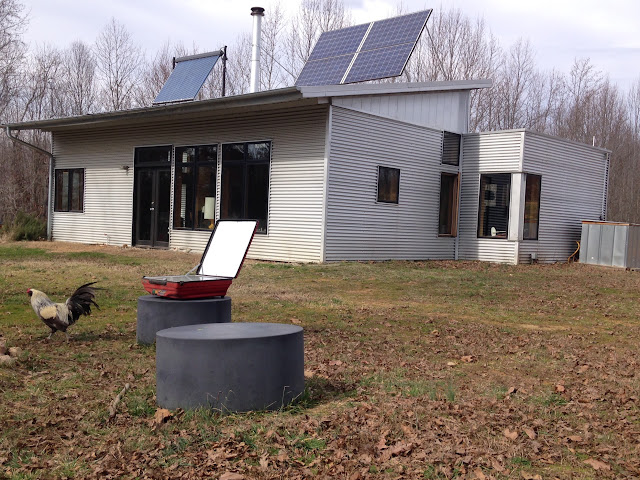
Reliable heat is essential for comfort and survival. Wood stoves are a staple for many off-grid homes, providing both warmth and a way to cook. Choose EPA-certified stoves for efficiency and safety. Keep a well-stocked woodpile, and consider backup options like propane heaters or pellet stoves.
Passive solar design—large south-facing windows, thermal mass floors, and strategic overhangs—can supplement heating needs. Insulated curtains and window coverings help retain warmth at night. For those interested in renewable energy, solar air heaters and geothermal systems can reduce reliance on fossil fuels.
Powering Your Homestead Off the Grid
Generating electricity in cold climates requires robust systems. Solar panels can be effective, especially when installed at a steep angle to shed snow. However, short winter days and cloud cover mean you may need to supplement with wind turbines or micro-hydro systems if water flow is available.
Battery banks should be housed in insulated, heated spaces to maintain performance. Backup generators, preferably dual-fuel, provide peace of mind during extended cloudy periods or equipment failures. Energy conservation is key—use LED lighting, efficient appliances, and monitor usage closely.
Water Management and Winterization
Water systems are vulnerable to freezing. Insulate pipes, use heat tape, and bury lines below the frost line. Many off-grid homesteaders rely on gravity-fed systems, hand pumps, or heated cisterns. Melting snow can provide emergency water, but it’s labor-intensive and should be filtered before use.
Greywater recycling and composting toilets reduce the risk of frozen septic systems. Plan for regular maintenance and have contingency plans for extreme cold snaps.
Growing Food Year-Round in the North
Raising food in cold regions requires creativity. Greenhouses, cold frames, and indoor grow lights extend the growing season. Insulated or geothermal greenhouses can produce fresh greens even in winter. Choose hardy crops like kale, spinach, and root vegetables for outdoor beds.
Preserving harvests through canning, fermenting, and root cellaring ensures a steady food supply. For those with livestock, insulated coops and barns, heated waterers, and windbreaks keep animals healthy. Consider upgrading your chicken setup with a smart coop door for added convenience and protection.
Essential Tools and Supplies for Winter Survival
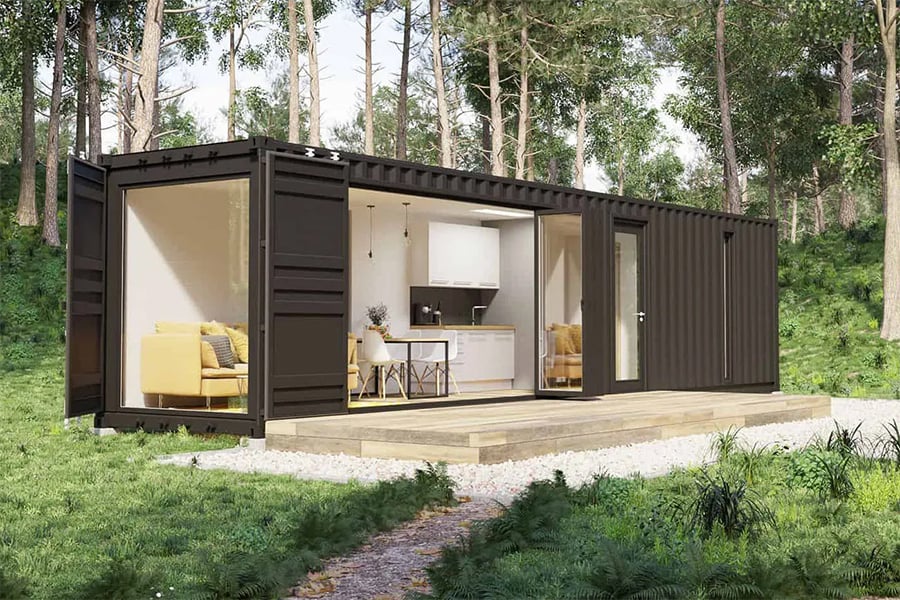
Preparation is the foundation of self-sufficiency. Stock up on snow removal tools—shovels, plows, and roof rakes. Keep extra fuel, batteries, and emergency food on hand. Insulated clothing, boots, and gloves are non-negotiable for working outdoors.
Invest in backup lighting, radios, and first aid kits. Regularly check and rotate supplies to ensure everything is in working order when needed.
Community, Safety, and Emergency Planning
Isolation can be a challenge in remote areas. Build relationships with neighbors and local communities for mutual support, especially during emergencies. Have a communication plan and backup power for phones or radios.
Prepare for medical emergencies by learning basic first aid and keeping a well-stocked kit. Monitor weather forecasts and have evacuation routes planned in advance.
Budgeting and Cost-Saving Tips for Cold-Climate Homesteads
Living off the grid doesn’t have to break the bank. Salvage building materials, buy in bulk, and prioritize projects that offer the greatest return on investment, such as insulation and energy-efficient appliances. For a detailed breakdown of affordable strategies, check out this comprehensive beginner’s roadmap to frugal off-grid living.
Bartering, sharing resources, and learning new skills can also help stretch your budget and foster a sense of community.
Frequently Asked Questions
What are the best heating options for off-grid homes in cold regions?
Wood stoves are a reliable and popular choice, offering both heat and cooking capabilities. Supplementing with passive solar design, propane heaters, or pellet stoves can provide additional warmth. Ensure your heating system is efficient and safe, and always have a backup plan in case of power outages.
How can I grow food year-round in a northern climate?
Utilize greenhouses, cold frames, and indoor grow lights to extend the growing season. Focus on cold-hardy crops and use preservation methods like canning and root cellaring to store food for winter. Insulated animal shelters and heated waterers help maintain livestock productivity through the cold months.
What are the most important considerations for water systems in freezing temperatures?
Insulate all pipes and water storage tanks, use heat tape where necessary, and bury lines below the frost line. Gravity-fed systems and hand pumps are less prone to freezing than electric pumps. Always have a backup water source and a plan for melting snow if needed.
Conclusion
Adapting to life off the grid in cold climates is both challenging and rewarding. With thoughtful planning, the right tools, and a willingness to learn, you can create a resilient, comfortable homestead that thrives year-round. For more inspiration on optimizing your living spaces, explore kitchen remodeling space optimization tips to make the most of every square foot.