Refreshing your kitchen can be as simple as introducing an accent wall. Whether you want to add a pop of color, texture, or a unique focal point, accent walls are a practical way to transform the look and feel of your kitchen without a full renovation. In this guide, we’ll explore a range of kitchen remodeling accent wall ideas that suit various styles and budgets, helping you create a space that feels both modern and inviting.
For those working with smaller kitchens, consider checking out these kitchen remodeling space optimization tips to maximize functionality before deciding on your accent wall approach.

Why Add an Accent Wall to Your Kitchen?
An accent wall serves as a visual anchor in your kitchen, drawing attention and adding personality. It can break up monotony, highlight architectural features, or simply inject a splash of color or texture. With the right design, an accent wall can complement your cabinetry, countertops, and appliances, tying the whole room together.
Accent walls are also a flexible solution. They allow homeowners to experiment with bold choices—like vibrant paint, patterned tile, or textured materials—without overwhelming the entire space. This makes them ideal for those who want to refresh their kitchen’s look without committing to a complete overhaul.
Popular Kitchen Accent Wall Materials and Finishes
There are countless ways to create a standout wall in your kitchen. Here are some of the most popular materials and finishes for accent walls:
- Paint: A fresh coat of paint in a contrasting or bold color is one of the simplest and most cost-effective options.
- Wallpaper: Modern, moisture-resistant wallpapers come in a variety of patterns and textures, perfect for kitchens.
- Tile: Subway, mosaic, or patterned tiles can add both color and texture, especially behind sinks or stoves.
- Wood Paneling: Shiplap, beadboard, or reclaimed wood bring warmth and rustic charm.
- Stone or Brick: Exposed brick or stone veneers add a natural, timeless look.
- Metal: Stainless steel or copper panels can create a sleek, industrial vibe.
Colorful Paint and Bold Patterns
One of the easiest ways to make a statement is with color. Choose a hue that contrasts with your cabinetry or complements your kitchen’s palette. Deep blues, forest greens, or even a vibrant yellow can energize the space. For a more dynamic look, consider geometric patterns or color blocking with painter’s tape.
If you’re hesitant about bold colors, try a muted tone or pastel for a softer effect. Remember, paint is easy to change if you want to update your kitchen’s look down the line.
Textured and Tiled Accent Walls
Tiles are a classic choice for kitchen accent walls, especially for backsplashes. Patterned or hand-painted tiles can create a Mediterranean or vintage feel, while sleek subway tiles offer a modern touch. For added depth, try mixing tile shapes or using a contrasting grout color.

Textured surfaces like shiplap, beadboard, or reclaimed wood panels add warmth and dimension. These materials work well in farmhouse, coastal, or rustic kitchens. For a more industrial look, consider exposed brick or stone veneer. These options not only create visual interest but also add a tactile element to your kitchen design.
For more inspiration on adding depth and dimension, explore these kitchen remodeling texture design ideas.
Creative Accent Wall Concepts for Modern Kitchens
Modern kitchens often feature minimalist design, but that doesn’t mean you can’t have a striking accent wall. Consider the following ideas:
- Open Shelving: Install floating shelves on your accent wall to display dishes, plants, or decorative items. This adds both function and style.
- Chalkboard or Dry Erase Paint: Turn a wall into a message center for grocery lists, recipes, or family notes.
- Mirrored Panels: Mirrors can make a small kitchen feel larger and brighter.
- Metallic Finishes: Brushed metal panels or metallic paint can add a touch of glamour and reflect light.
Don’t be afraid to mix materials. Combining tile with wood or paint with metal can yield a unique, custom look tailored to your taste.
Choosing the Right Wall for Your Feature
Not every wall is ideal for a feature treatment. Typically, the best candidates are:
- The wall behind the stove or range hood
- The backsplash area above countertops
- A blank wall opposite the main work area
- The wall behind a breakfast nook or dining area
Consider the layout and natural focal points of your kitchen. The chosen wall should be visible from the main entrance or living area for maximum impact.
Coordinating Accent Walls with Cabinets and Hardware
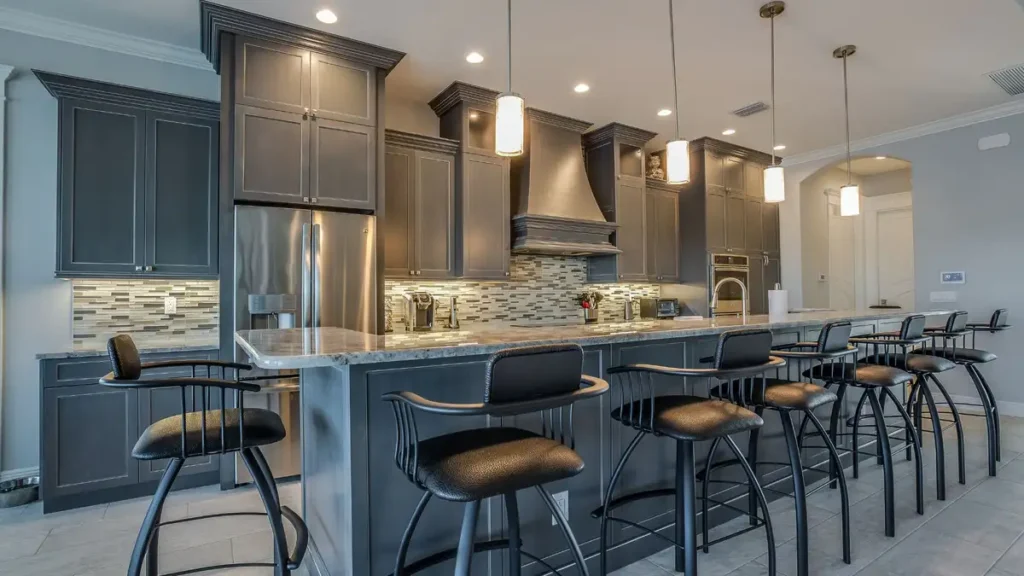
For a cohesive look, coordinate your accent wall with your cabinetry and hardware. For example, a navy blue wall pairs beautifully with white or light gray cabinets, while a wood accent complements matte black or brass hardware. If you’re considering updating your cabinet colors, these kitchen remodeling cabinet color ideas can help you find the perfect match.
Hardware choices also play a role. Sleek, modern pulls suit contemporary accent walls, while vintage knobs work well with rustic or traditional designs. For more guidance, consult a kitchen remodeling hardware style guide to ensure your selections enhance your overall design.
Lighting and Visual Balance for Accent Walls
Proper lighting can make your accent wall stand out. Under-cabinet lights, pendant fixtures, or recessed lighting can highlight textures and colors, making the wall a true focal point. For advice on achieving harmony in your kitchen’s design, review these kitchen remodeling visual balance tips.
Balance is key. If your accent wall is bold, keep other elements more subdued. Conversely, a subtle wall can be paired with colorful accessories or statement lighting.
Expert Tips for a Successful Kitchen Accent Wall
- Test paint or wallpaper samples before committing to a full wall.
- Use moisture-resistant materials, especially near sinks or stoves.
- Keep the rest of the kitchen neutral to let the accent wall shine.
- Don’t forget about maintenance—choose finishes that are easy to clean.
- Consult with a professional if you’re unsure about installation or material compatibility.
For more inspiration and practical advice, explore these kitchen design ideas from KitchenAid to see how accent walls can be integrated into a variety of layouts and styles.
Frequently Asked Questions
What is the best material for a kitchen accent wall?
The ideal material depends on your style and needs. Tiles are durable and easy to clean, making them perfect for areas near sinks and stoves. Paint and wallpaper are budget-friendly and versatile, while wood, brick, or stone add texture and warmth. Always choose moisture-resistant options for longevity.
How do I choose the right color for my kitchen accent wall?
Start by considering your existing cabinetry, countertops, and flooring. Choose a color that complements or contrasts with these elements. Bold colors work well in modern kitchens, while muted tones suit traditional spaces. Test samples in your kitchen’s lighting before making a final decision.
Can I add an accent wall in a small kitchen?
Absolutely. In smaller kitchens, an accent wall can create depth and make the space feel larger. Opt for lighter colors or reflective materials like mirrors or glossy tiles to enhance the sense of openness. Keep the rest of the décor simple to avoid overwhelming the room.