
Living off the grid in a tropical environment offers both unique rewards and significant hurdles. The lush climate brings abundant natural resources, but also presents obstacles like intense heat, heavy rainfall, pests, and rapid vegetation growth. For those considering or already pursuing tropical off-grid homesteading, understanding these challenges and learning practical solutions is essential for building a resilient, sustainable lifestyle.
Whether you’re just starting out or looking to optimize your setup, this guide covers the main difficulties faced in tropical regions and shares actionable advice to help you thrive. If you’re also interested in maximizing your living space, you might find inspiration from kitchen remodeling compact kitchen ideas that are perfect for small homesteads.
Understanding the Tropical Climate: Benefits and Drawbacks
Tropical climates are characterized by high temperatures, humidity, and seasonal rainfall. These conditions can be both a blessing and a challenge for those living independently from public utilities.
- Abundant sunlight supports solar energy systems and year-round gardening.
- Heavy rainfall ensures water collection is possible, but can also cause flooding and erosion.
- Humidity accelerates plant growth but can damage structures and stored goods.
- Pests and diseases thrive in warm, moist environments, impacting crops and livestock.
Recognizing these factors is the first step toward successful adaptation and planning.
Water Management Strategies for Off-Grid Living
Reliable water access is a cornerstone of tropical off-grid homesteading. While rainfall is plentiful, managing it effectively is crucial for both dry and wet seasons.
Rainwater Harvesting and Storage
Install robust gutter systems and large-capacity tanks to capture rainwater from rooftops. Use first-flush diverters to keep debris out of storage tanks. Consider multiple tanks to ensure redundancy during prolonged dry spells.
Filtration and Purification
Due to high organic content in tropical rainwater, filtration is essential. Use sediment filters, activated carbon, and UV or solar disinfection to make water safe for drinking and cooking.
Greywater Recycling
Reusing water from sinks, showers, and laundry for irrigation helps conserve resources and keeps plants hydrated during dry periods.
Building Structures to Withstand Tropical Conditions
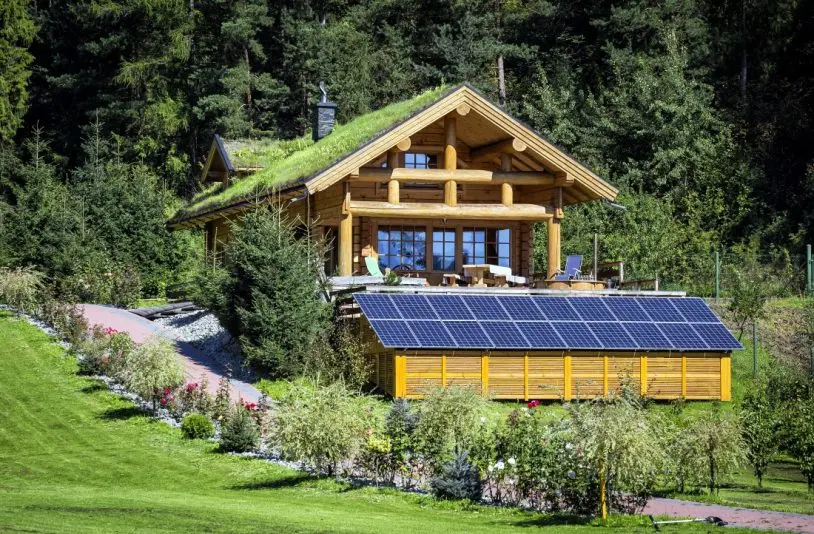
Constructing durable shelters is vital in regions prone to storms, high humidity, and pests. Here are key considerations for resilient homestead buildings:
- Elevated foundations help prevent flooding and termite damage.
- Ventilated designs promote airflow, reducing heat and mold growth.
- Use of local, rot-resistant materials like bamboo, hardwood, or concrete extends building lifespan.
- Metal roofing is preferable for rainwater collection and longevity, but must be insulated to reduce heat buildup.
Regular maintenance, such as sealing gaps and treating wood, is necessary to keep structures safe and comfortable.
Food Production and Garden Management in the Tropics
Growing food in a tropical environment can be highly productive, but also requires careful planning to manage pests, soil fertility, and rapid plant growth.
Choosing Suitable Crops
Opt for heat- and humidity-tolerant varieties such as sweet potatoes, cassava, taro, bananas, papayas, and leafy greens. Perennial crops are especially valuable for reducing labor and ensuring year-round harvests.
Soil Health and Mulching
Heavy rains can leach nutrients from the soil. Regularly add organic matter and mulch thickly to retain moisture, suppress weeds, and build fertility.
Pest and Disease Control
Encourage biodiversity by interplanting and rotating crops. Use natural pest deterrents like neem oil, diatomaceous earth, and companion planting. Physical barriers such as netting or row covers can also help protect crops.
For those looking to maximize small spaces, integrating ideas from kitchen remodeling space optimization tips can inspire creative garden layouts and storage solutions.
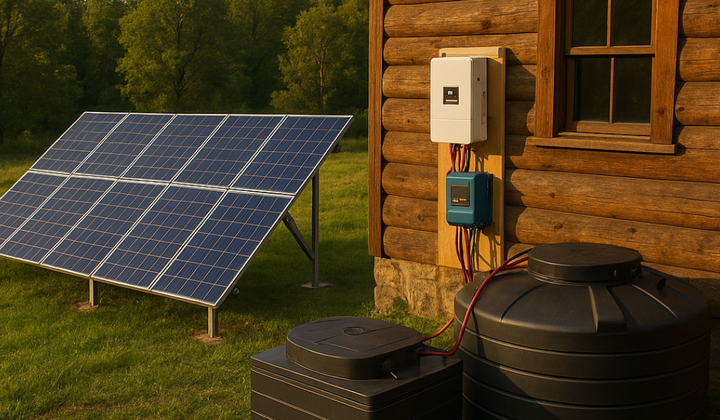
Managing Energy Needs Off the Grid
Energy independence is a core part of remote living. In the tropics, solar power is often the most practical solution, but there are important factors to consider:
- Solar panel placement should maximize sun exposure and minimize shading from fast-growing vegetation.
- Battery storage is essential for cloudy days and nighttime use. Choose batteries rated for high temperatures.
- Backup systems like generators or wind turbines can provide redundancy during extended cloudy periods.
- Regularly clean panels and clear vegetation to maintain efficiency.
Efficient appliances and LED lighting help reduce overall consumption, making your system more reliable and cost-effective.
Dealing with Pests and Wildlife
Insects, rodents, and larger animals are a constant presence in tropical areas. Protecting your home, food stores, and livestock requires vigilance and a multi-layered approach:
- Seal entry points in buildings and food storage areas.
- Use mesh screens on windows and vents for ventilation without letting pests in.
- Secure compost and animal feed to deter scavengers.
- Encourage natural predators like birds, frogs, and beneficial insects.
For poultry keepers, investing in a secure, automated coop can make a big difference in protecting flocks from predators and the elements.
Adapting to the Lifestyle: Mindset and Community
Transitioning to tropical off-grid homesteading is as much a mental shift as a physical one. Flexibility, patience, and a willingness to learn from mistakes are vital. Building connections with neighbors and local experts can provide invaluable support and knowledge.
For those interested in starting with limited resources, check out this comprehensive guide to living off the grid with minimal funds.
Remember, every site and situation is different. Observe your land, experiment, and adapt your strategies over time. Celebrate small successes and don’t be discouraged by setbacks—they’re part of the journey.
Frequently Asked Questions
What are the most common mistakes beginners make in tropical off-grid homesteading?
Many newcomers underestimate the speed of vegetation growth, the impact of humidity on buildings and stored goods, and the persistence of pests. It’s important to plan for regular maintenance, invest in quality materials, and stay proactive with pest management.
How can I keep my home cool without air conditioning?
Design your home for maximum cross-ventilation, use reflective roofing materials, install ceiling fans, and plant shade trees strategically. Elevated floors and wide eaves also help reduce heat buildup indoors.
What is the best way to protect crops from heavy rains and flooding?
Raised garden beds, swales, and well-designed drainage systems help prevent waterlogging. Mulching and planting cover crops can also reduce soil erosion and nutrient loss during storms.
With thoughtful planning and ongoing adaptation, tropical off-grid homesteading can be both sustainable and deeply rewarding. Embrace the challenges, learn from your environment, and enjoy the unique opportunities that tropical living provides.