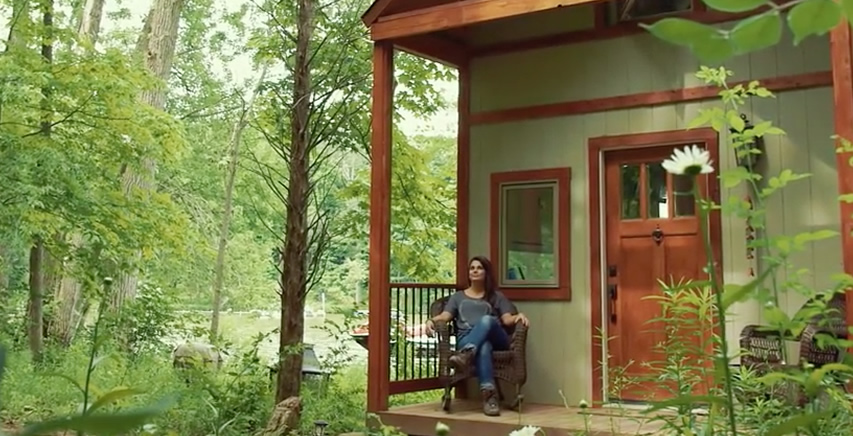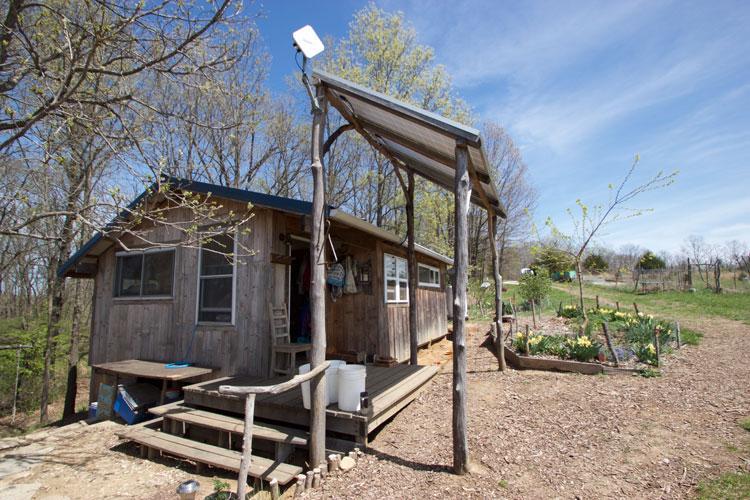

Building a lifestyle rooted in independence and sustainability is a growing trend for those seeking to reduce reliance on outside systems. Embracing self-sufficient homestead ideas can help you create a resilient home environment, whether you’re starting from scratch or upgrading an existing property. This guide explores practical strategies for food production, energy, water, and animal care, offering inspiration for anyone interested in greater autonomy and a more eco-friendly way of living.
For those interested in practical steps to minimize their environmental impact, you may also find value in green living off-grid approaches that complement the principles of homestead self-reliance.
Key Principles for a Self-Reliant Homestead
At the heart of any sustainable property are a few core principles: resourcefulness, minimal waste, and adaptability. By focusing on these, you can tailor your approach to fit your land, climate, and personal goals. Here are some foundational concepts to guide your journey:
- Resource Management: Make the most of what you have—reuse, recycle, and repurpose materials whenever possible.
- Local Food Production: Grow, raise, or forage as much of your own food as you can to reduce dependence on external supply chains.
- Renewable Energy: Harness natural resources like sun and wind to power your home.
- Water Conservation: Collect and store rainwater, and use efficient irrigation systems to make every drop count.
- Community and Knowledge Sharing: Connect with others to exchange skills, seeds, and support.
Food Production: Gardens, Orchards, and More
One of the most rewarding aspects of homestead living is producing your own food. Whether you have a large acreage or a small backyard, there are numerous ways to cultivate a productive landscape.
Vegetable Gardens and Raised Beds
Raised beds are a popular choice for both beginners and experienced gardeners. They offer improved soil drainage, easier weed control, and better accessibility. Using organic compost and mulching techniques can further boost your yields while keeping your garden healthy and chemical-free.
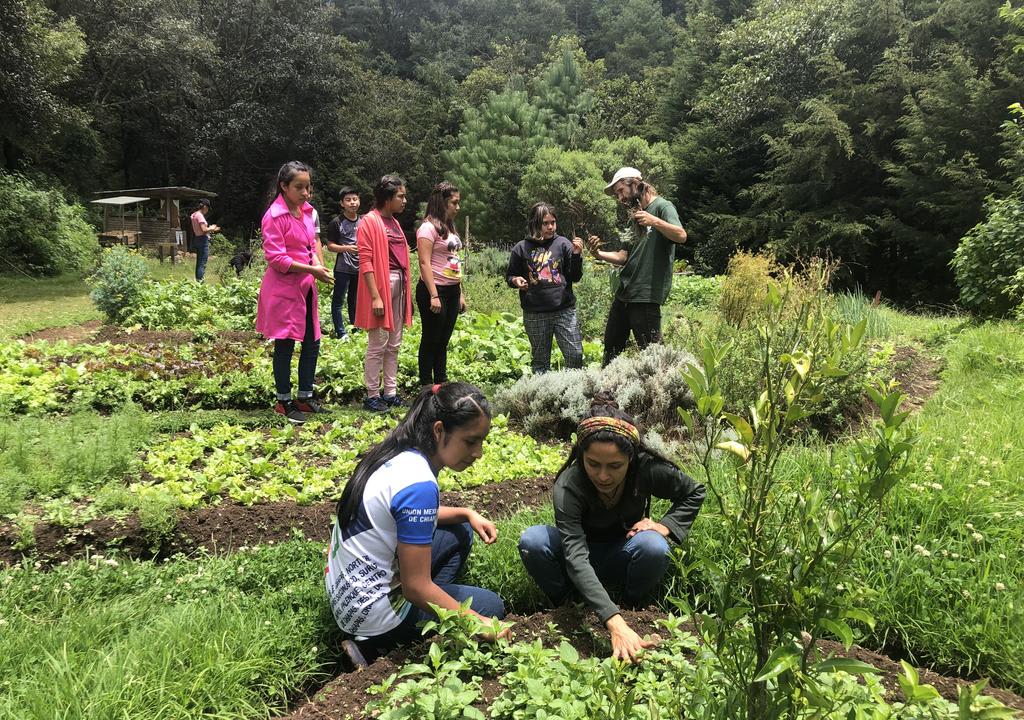
Companion planting, crop rotation, and succession sowing are additional techniques that can maximize your harvest and soil health. If you’re new to gardening, start with easy-to-grow crops like lettuce, radishes, beans, and tomatoes.
Orchards and Perennial Food Sources
Fruit and nut trees, berry bushes, and perennial vegetables provide reliable harvests year after year with less maintenance than annual crops. Consider planting apple, pear, or plum trees, along with raspberries, blueberries, and asparagus. These long-term investments can significantly increase your food security.
Raising Animals for Food and Fertility
Integrating livestock into your homestead can supply eggs, milk, meat, and natural fertilizer. Chickens are often the first choice due to their manageable size and steady egg production. Goats, ducks, rabbits, and bees are also popular for their versatility and relatively low upkeep.
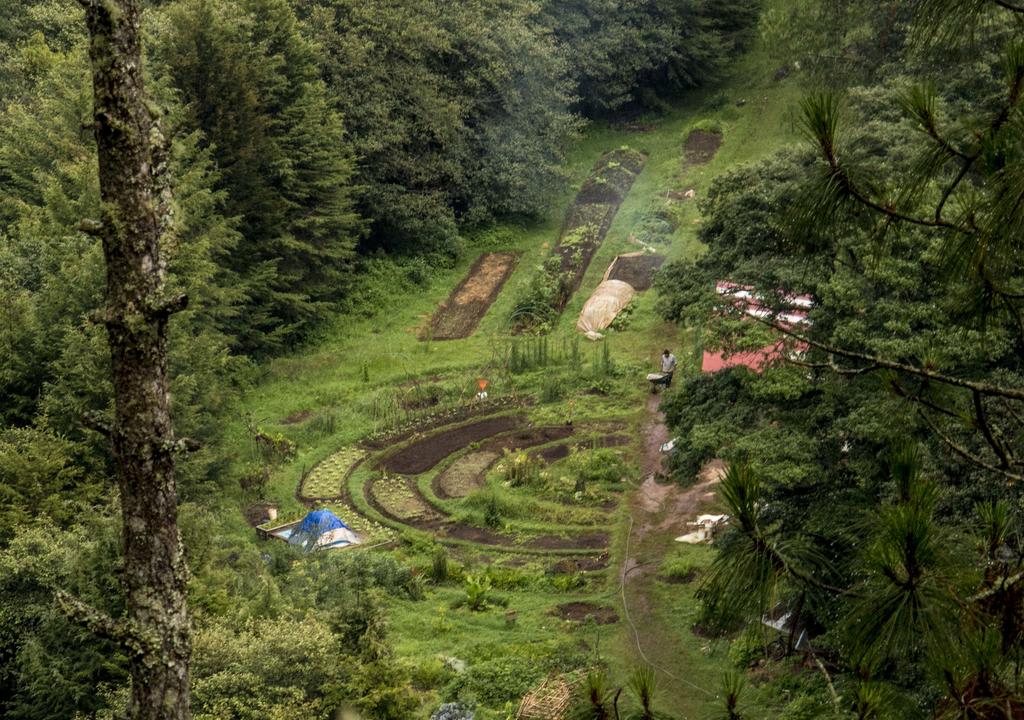
When planning for animals, consider their shelter, fencing, feed, and water needs. Rotational grazing and deep litter bedding can help maintain healthy pastures and provide valuable compost for your gardens.
Water Collection and Conservation Strategies
Water is a vital resource for any homestead. Collecting rainwater from rooftops into barrels or cisterns is a simple way to create a backup supply for irrigation or even household use with proper filtration. Drip irrigation systems and mulching can reduce evaporation and make your watering efforts more efficient.
Greywater recycling—reusing water from sinks, showers, and laundry for landscape irrigation—can further reduce your reliance on wells or municipal supplies. Always check local regulations before implementing greywater systems.
Renewable Energy and Off-Grid Options
Generating your own power is a cornerstone of true independence. Solar panels are the most accessible option for many, providing electricity for lights, appliances, and water pumps. Wind turbines and micro-hydro systems can supplement solar in the right locations.
For more details on sustainable off-grid setups, explore resources like this comprehensive guide to off-grid living, which covers everything from system design to daily management.
Backup generators, battery storage, and energy-efficient appliances round out a robust energy plan. Consider passive solar design and natural ventilation to reduce heating and cooling needs.
Waste Reduction and Recycling on the Homestead
Reducing waste is both environmentally responsible and cost-effective. Composting kitchen scraps and yard waste creates nutrient-rich soil amendments for your gardens. Vermiculture (worm composting) is another efficient way to process organic matter.
Repurposing materials—such as using old pallets for garden beds or salvaged windows for cold frames—can save money and keep usable items out of landfills. Regularly assess your waste streams and look for creative ways to close the loop.
Building Community and Sharing Knowledge
While self-reliance is the goal, no homesteader is an island. Sharing skills, seeds, and surplus harvests with neighbors fosters resilience and creates a support network. Local bartering, community gardens, and online forums are excellent ways to connect and learn from others.
Attending workshops, reading books, and following experienced homesteaders can accelerate your learning curve and help you avoid common pitfalls.
Frequently Asked Questions
What are the most important first steps for starting a self-reliant homestead?
Begin by assessing your land, water, and sunlight resources. Start small with a vegetable garden or a few chickens, and gradually add more systems as your skills and confidence grow. Focus on soil health, water management, and learning basic DIY skills.
How much land do I need to be self-sufficient?
The amount of land required depends on your goals and the intensity of your production methods. Many people achieve a high degree of food independence on as little as a quarter-acre with intensive gardening and small livestock. Larger plots offer more options for orchards, grazing, and woodlots.
Is it possible to live completely off-grid on a homestead?
Yes, with careful planning and investment in renewable energy, water collection, and food production, it’s possible to live independently from public utilities. However, most people choose a hybrid approach, maintaining some connections for convenience or backup.