
Embracing green living off-grid means making conscious choices every day to reduce your environmental impact while enjoying a self-sufficient lifestyle. Whether you’re new to this way of life or looking to refine your daily habits, there are practical steps you can take to make your off-grid experience more sustainable and rewarding. From energy use to food production, small changes can add up to a significant difference for both your well-being and the planet.
Before diving into specific routines, it’s helpful to learn from other sustainable approaches. For example, understanding office buildout privacy solutions can inspire creative ways to design versatile, private, and efficient spaces within your own homestead, maximizing comfort without extra energy use.
Building an Eco-Friendly Off-Grid Routine
Living sustainably away from the grid involves a blend of resourcefulness and mindful planning. Establishing daily habits that conserve water, energy, and other resources is essential for anyone seeking to minimize their ecological footprint. Let’s explore some foundational routines that support a more environmentally conscious lifestyle.
- Start with energy efficiency: Use solar panels, wind turbines, or micro-hydro systems to generate your own electricity. Turn off appliances when not in use, and choose LED lighting to reduce power consumption.
- Conserve water: Install rainwater harvesting systems and use greywater for irrigation. Limit shower times and fix leaks promptly to avoid unnecessary waste.
- Prioritize waste reduction: Compost food scraps, recycle materials, and avoid single-use plastics. Reuse containers and repair items instead of discarding them.
Homegrown Food and Sustainable Gardening
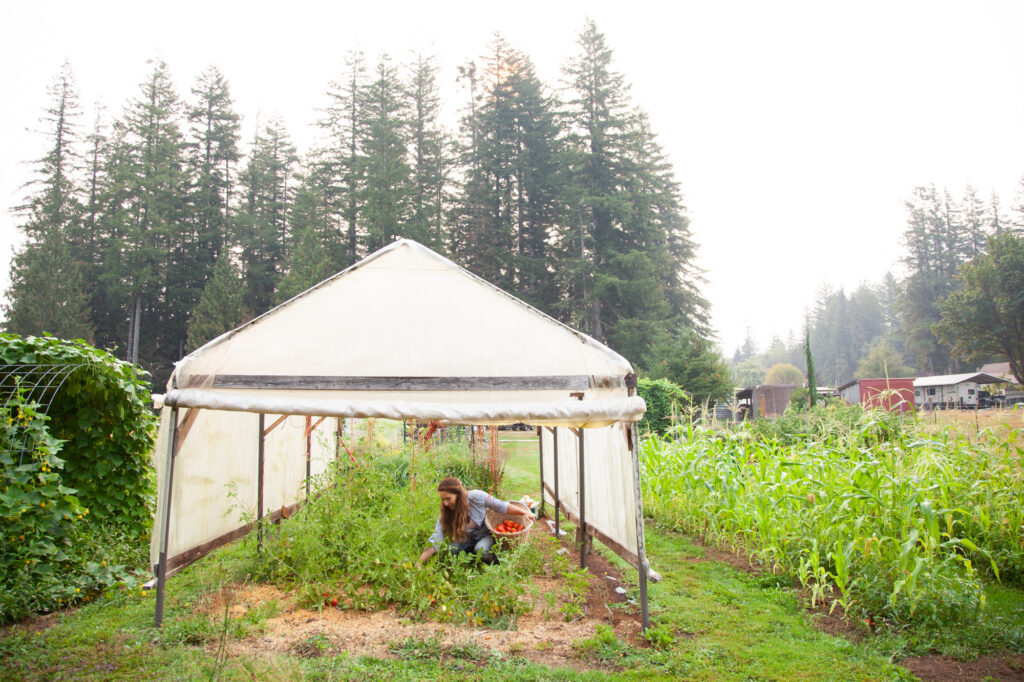
Producing your own food is a cornerstone of sustainable living. Not only does it reduce reliance on external supply chains, but it also ensures you know exactly how your food is grown. Even small gardens can yield a surprising amount of fresh produce when managed efficiently.
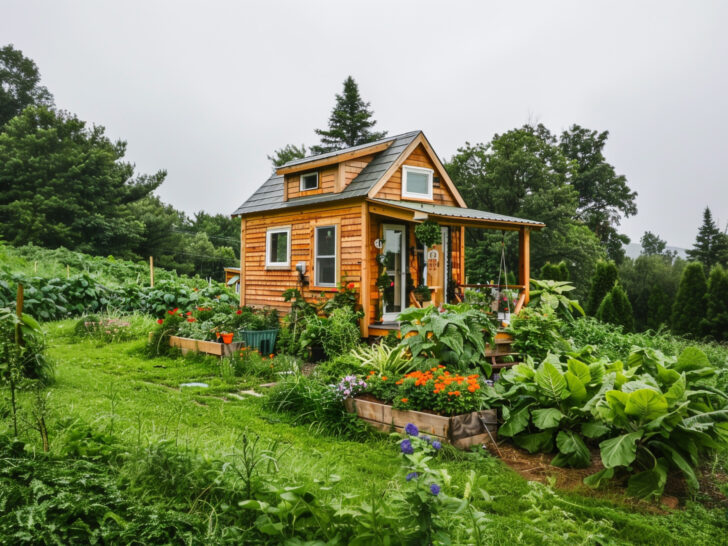
Tips for Productive Off-Grid Gardens
- Choose native plants: Select crops that thrive in your local climate to minimize water and fertilizer needs.
- Practice crop rotation: Rotate plant families each season to maintain healthy soil and reduce pest problems.
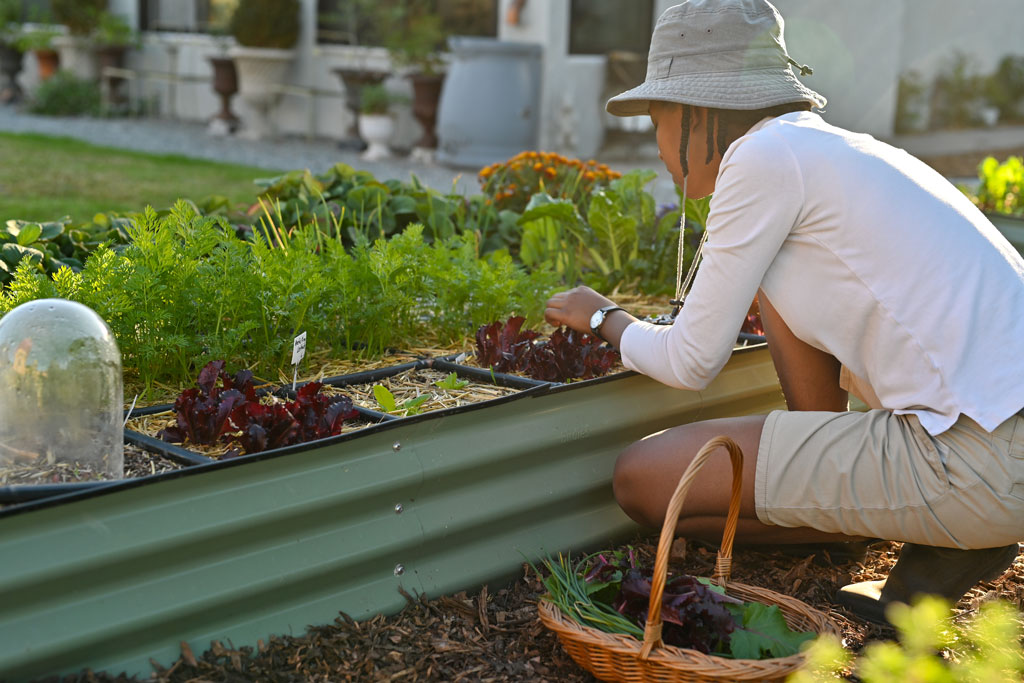
- Use raised beds: Raised garden beds improve drainage, reduce soil compaction, and make it easier to manage weeds and pests. If you’re looking to get started, consider a sturdy option that fits your space and needs.
- Compost regularly: Turn kitchen scraps and yard waste into nutrient-rich compost to feed your soil naturally.
Water Management for Sustainable Living
Water is a precious resource, especially when living independently from municipal supplies. Smart water management not only supports your household needs but also benefits your garden and livestock.
Rainwater Harvesting and Greywater Reuse
Collecting rainwater is one of the most effective ways to secure a steady water supply for your home and garden. Install barrels or cisterns to capture runoff from roofs, and use simple filtration systems to make the water suitable for non-potable uses. Greywater from sinks and showers can be safely reused for irrigation, provided you use biodegradable soaps and detergents.
- Install gutter filters to keep debris out of your rainwater tanks.
- Use drip irrigation to minimize evaporation and deliver water directly to plant roots.
- Monitor water usage regularly to identify leaks or inefficiencies early.
Renewable Energy and Efficient Power Use
Generating your own electricity is a key component of independent, eco-friendly living. Solar panels are the most common choice, but wind and micro-hydro systems can also be effective depending on your location. To make the most of your setup, focus on reducing overall consumption and using energy during peak production hours.
- Invest in energy-efficient appliances and unplug devices when not in use.
- Schedule high-energy tasks—like laundry or pumping water—during sunny or windy periods.
- Maintain batteries and inverters to extend their lifespan and ensure reliable power.
For a comprehensive overview of essential equipment and strategies, check out this detailed guide to off-grid living essentials.
Animal Care and Homestead Livestock
Raising chickens, goats, or other livestock can provide food, fertilizer, and even companionship. Sustainable animal care means providing adequate shelter, clean water, and nutritious feed, while also managing manure responsibly to protect your land and water sources.
- Rotate grazing areas to prevent overuse and promote healthy pasture.
- Use automatic waterers and feeders to conserve resources and reduce labor.
- Compost manure to enrich your garden and reduce waste.
- Upgrade coops and shelters for better insulation and predator protection—modern solutions can make daily chores easier and more efficient.
Waste Reduction and Recycling on the Homestead
Minimizing waste is central to any eco-conscious lifestyle. Composting, recycling, and reusing materials not only reduce your environmental impact but also save money and resources over time.
- Set up a compost bin for organic waste and use the finished compost in your garden beds.
- Sort recyclables and find local drop-off points for items like glass, metal, and plastics.
- Repurpose jars, buckets, and other containers for storage or planting.
- Repair clothing, tools, and equipment whenever possible instead of replacing them.
Staying Connected and Learning More
Living off-grid doesn’t mean disconnecting from valuable information or community support. Stay informed about best practices, new technologies, and local regulations by joining online forums, reading books, and networking with other homesteaders. Sharing knowledge and experiences can help you avoid common pitfalls and discover new ways to thrive.
Frequently Asked Questions
- What are the first steps to start living sustainably off the grid?
- Begin by assessing your current resource use and identifying areas where you can reduce consumption. Invest in renewable energy sources, set up water collection systems, and start a small garden to produce some of your own food. Gradually incorporate more sustainable practices as you learn and adapt.
- How can I make my off-grid home more energy efficient?
- Use energy-efficient appliances, insulate your home well, and take advantage of passive solar heating and cooling. Regularly maintain your power system and monitor usage to spot inefficiencies early.
- Is it possible to live off-grid in colder climates?
- Yes, but it requires careful planning. Choose well-insulated structures, invest in reliable heating systems (like wood stoves), and store extra food and water for winter months. Select crops and animals suited to your region’s conditions.
Adopting a green living off-grid approach is a journey of continuous learning and adaptation. By making small, consistent changes to your daily routines, you can enjoy a more sustainable, resilient, and fulfilling lifestyle—one that benefits both you and the environment.