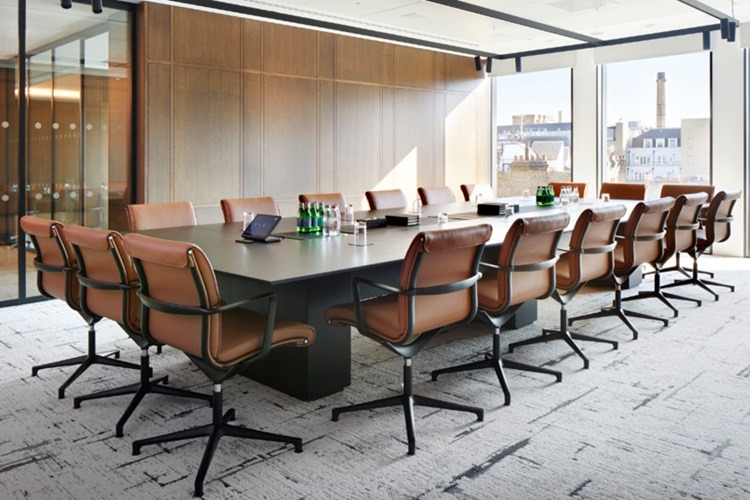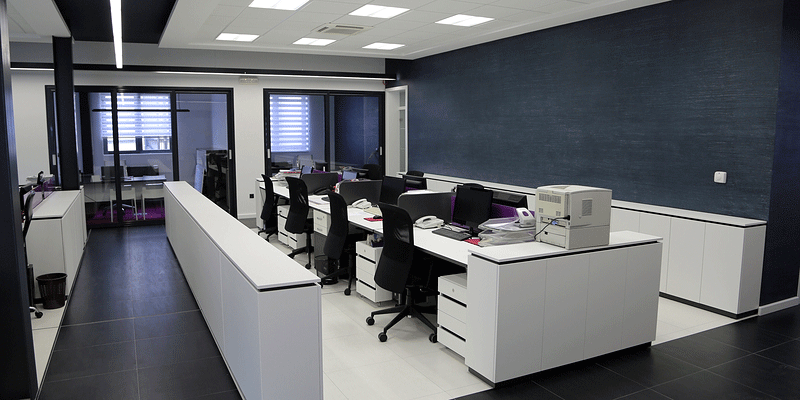

Planning a successful office renovation or new workspace requires careful consideration of the materials that will shape the environment for years to come. A well-chosen selection of finishes and construction products ensures that interiors remain attractive, functional, and resilient under daily use. This office buildout materials guide will help you navigate the most important choices, from flooring and walls to ceilings, doors, and fixtures. Whether you’re collaborating with a contractor or managing the process yourself, understanding the options will help you create a workplace that stands the test of time.
Before diving into specific material recommendations, it’s important to consider the unique needs of your organization. Factors such as foot traffic, maintenance requirements, acoustics, and aesthetics all play a role in determining the best solutions. Early planning and informed decisions can prevent costly repairs and disruptions down the line.
For those interested in maximizing every square foot in their workspace, you may also find inspiration in kitchen remodeling space optimization tips, which offer practical strategies for efficient layouts and material choices.
Key Considerations for Selecting Office Buildout Materials
Choosing the right products for your office interior is about more than just looks. Durability, sustainability, and ease of maintenance are equally important. Here are some essential factors to weigh as you review your options:
- Durability: Select materials that can withstand heavy use, especially in high-traffic areas like corridors, lobbies, and meeting rooms.
- Maintenance: Opt for surfaces that are easy to clean and repair, minimizing downtime and ongoing costs.
- Acoustics: Consider sound-absorbing finishes to reduce noise and create a comfortable working environment.
- Sustainability: Look for eco-friendly products with certifications such as LEED or GREENGUARD, which contribute to a healthier indoor environment.
- Aesthetics: Ensure that finishes align with your brand identity and create a welcoming atmosphere for employees and visitors.
Flooring Options for High-Performance Workspaces
The right flooring sets the tone for your office and must endure constant foot traffic, rolling chairs, and occasional spills. This section of the office buildout materials guide explores the most popular choices and their advantages:
- Carpet Tiles: Favored for their acoustic properties and comfort, carpet tiles are easy to replace if damaged. Choose commercial-grade options with stain-resistant fibers for longevity.
- Luxury Vinyl Tile (LVT): LVT offers the look of wood or stone with superior durability and water resistance. It’s simple to clean and stands up well to heavy use.
- Polished Concrete: For a modern, industrial look, polished concrete is hard-wearing and low maintenance. It can be sealed for added stain resistance.
- Engineered Hardwood: While more expensive, engineered hardwood provides a premium appearance and can be refinished if scratched. It’s best suited for executive suites or reception areas.
Wall Finishes That Balance Style and Function
Walls play a critical role in both the visual appeal and durability of your office. When selecting wall materials, consider how each area will be used and the level of wear it will experience.
- Paint: High-quality, washable paints are cost-effective and available in a wide range of colors. Choose low-VOC formulas for better indoor air quality.
- Vinyl Wallcoverings: These are ideal for high-traffic corridors and meeting rooms. They resist scuffs and can be wiped clean easily.
- Acoustic Panels: In open-plan offices, fabric-wrapped acoustic panels help absorb sound and can double as decorative elements.
- Glass Partitions: For modern layouts, glass walls allow natural light to flow while providing privacy and a sense of openness.
Ceiling Systems for Modern Offices
Ceilings are often overlooked, but they have a significant impact on acoustics, lighting, and overall aesthetics. This office buildout materials guide highlights several ceiling solutions:
- Suspended (Drop) Ceilings: These are common in commercial spaces, allowing easy access to HVAC and electrical systems. Acoustic tiles reduce noise and come in various textures.
- Exposed Structure: Leaving ductwork and beams visible creates an industrial vibe. Paint or seal exposed surfaces for a finished look and improved durability.
- Acoustic Clouds and Baffles: For targeted sound control, suspended acoustic elements can be installed above workstations or meeting areas.
Doors, Hardware, and Fixtures
Doors and hardware are essential for privacy, security, and accessibility. Durable, well-chosen fixtures contribute to a professional and welcoming environment.
- Solid Core Doors: These provide better sound insulation and durability than hollow core alternatives. Consider glass inserts for visibility where appropriate.
- Quality Hardware: Select commercial-grade hinges, handles, and locks to withstand frequent use and ensure safety.
- ADA-Compliant Fixtures: Ensure all doorways and handles meet accessibility standards for inclusivity.
Lighting and Electrical Considerations
Lighting choices affect both productivity and energy efficiency. When planning your office buildout, prioritize:
- LED Fixtures: These offer long life, low maintenance, and reduced energy costs. Adjustable color temperatures can improve comfort and focus.
- Task Lighting: Desk lamps and under-cabinet lights provide targeted illumination for workstations.
- Smart Controls: Automated systems for lighting and climate control enhance efficiency and user comfort.
Sustainable and Healthy Material Choices
Modern offices increasingly prioritize sustainability and occupant well-being. When selecting materials, look for:
- Low-VOC Paints and Adhesives: These reduce indoor air pollution and support a healthier workspace.
- Recycled Content: Many flooring, ceiling, and wall products now incorporate recycled materials without sacrificing performance.
- Certifications: Products certified by LEED, GREENGUARD, or similar organizations ensure compliance with green building standards.
For a comprehensive overview of the buildout process, including budgeting and project management, refer to this detailed guide to building out office space.
Maintaining Your Office Interior for Longevity
Even the most durable materials require regular care to maintain their appearance and performance. Establish a maintenance plan that includes:
- Routine cleaning schedules for floors, walls, and fixtures
- Prompt repairs of any damage to prevent further deterioration
- Periodic inspections of high-traffic areas and mechanical systems
By investing in quality materials and proactive upkeep, you can extend the lifespan of your office interiors and protect your investment.
Frequently Asked Questions
What are the most durable flooring options for office spaces?
Commercial-grade carpet tiles, luxury vinyl tile (LVT), and polished concrete are among the most durable flooring choices for offices. Each offers unique benefits in terms of maintenance, comfort, and appearance.
How can I improve acoustics in an open-plan office?
To reduce noise, consider installing acoustic ceiling tiles, wall panels, and carpet tiles. Furniture placement and soft furnishings can also help absorb sound and create a quieter environment.
Are sustainable materials more expensive for office interiors?
While some eco-friendly products may have a higher upfront cost, many are competitively priced and offer long-term savings through improved durability and reduced maintenance. Certifications like LEED and GREENGUARD can help identify sustainable options.