
Creating a productive and healthy workspace at home requires more than just a comfortable chair and a sturdy desk. One of the most overlooked yet critical factors is ventilation for home offices. Proper airflow not only helps maintain a comfortable temperature but also ensures that indoor air quality remains high, reducing the risk of headaches, fatigue, and respiratory issues. As more people transition to remote work, understanding the essentials of air circulation in your workspace is vital for both comfort and well-being.
Whether your office is a dedicated room or a converted corner, addressing ventilation can make a significant difference. From improving concentration to minimizing allergens and pollutants, the benefits extend far beyond simple comfort. For those interested in optimizing other areas of the home, exploring kitchen remodeling space optimization tips can also contribute to a healthier living environment.
Why Airflow Matters in Your Workspace
Many home offices are set up in rooms that were not originally designed for extended occupancy. As a result, these spaces may lack adequate airflow, leading to a buildup of carbon dioxide, dust, and other indoor pollutants. Ventilation for home offices is essential for:
- Reducing indoor air pollutants: Office equipment, cleaning products, and even furniture can release volatile organic compounds (VOCs) and other contaminants.
- Managing humidity: Proper air exchange helps prevent excess moisture, which can lead to mold growth and musty odors.
- Maintaining comfort: Good airflow keeps temperatures stable and prevents stuffiness, supporting better focus and productivity.
Without adequate ventilation, even the most well-designed workspace can become uncomfortable and unhealthy over time.
Types of Ventilation Systems for Home Workspaces
There are several ways to enhance airflow in your home office, ranging from simple solutions to more advanced systems. Understanding the options can help you choose the best method for your needs and budget.
Natural Ventilation Strategies
Natural airflow relies on openings like windows and doors to circulate fresh air. This is often the easiest and most cost-effective approach, especially if your workspace has access to an exterior wall.
- Opening windows: Even a small window can make a big difference in air quality, especially when paired with a fan to encourage cross-ventilation.
- Using interior doors: Keeping doors open allows air to flow between rooms, reducing the risk of stagnant air.
- Strategic placement of fans: A box fan or oscillating fan can help move air in and out, especially when positioned near a window.
While natural ventilation is effective, it may not always be practical due to weather, noise, or security concerns.
Mechanical Airflow Solutions
For spaces that lack adequate natural airflow, mechanical systems offer a reliable alternative. These solutions can be tailored to the size and layout of your workspace:
- Exhaust fans: Ceiling or wall-mounted fans draw stale air out and can be especially useful in windowless rooms.
- Whole-house fans: These systems pull fresh air in from outside and push warm, stale air out through attic vents.
- Air purifiers with HEPA filters: While not strictly ventilation, these devices help remove dust, pollen, and other airborne particles, improving overall air quality.
For a deeper dive into the different systems available, consider reading about various types of house ventilation systems and how they can be adapted for home workspaces.
Key Considerations for Effective Air Circulation
When planning airflow improvements, it’s important to assess your specific needs. Here are some factors to keep in mind:
- Room size and occupancy: Larger rooms or those with multiple occupants require more robust solutions.
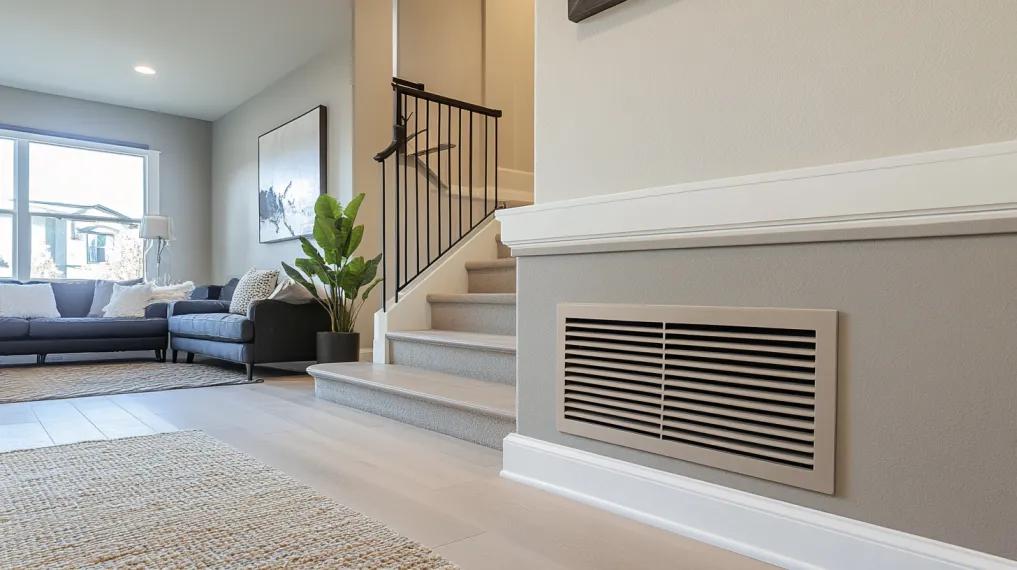
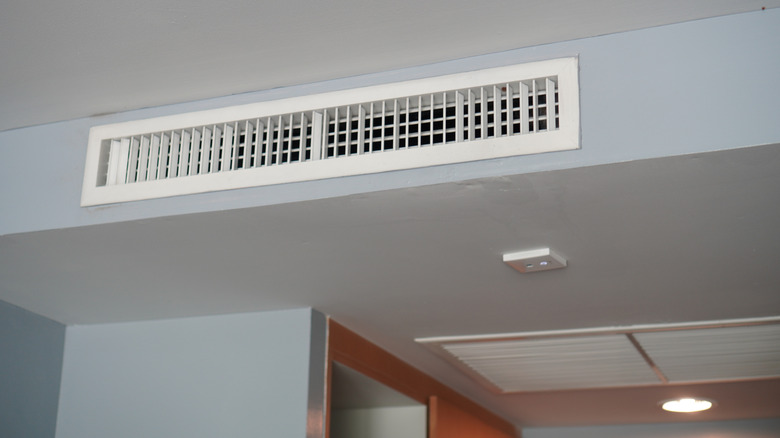
- Existing HVAC systems: If your home has central heating and cooling, ensure that vents are open and unobstructed in your workspace.
- Location of air returns: Proper placement ensures that air is circulated efficiently throughout the room.
- Noise levels: Some mechanical systems can be noisy, so consider quieter models for a distraction-free environment.
- Energy efficiency: Choose systems that balance performance with low energy consumption to keep utility costs in check.
Tips for Maintaining Healthy Air in Your Home Office
Once you’ve established a good airflow system, ongoing maintenance is key. Here are some practical steps to keep your workspace air clean and fresh:
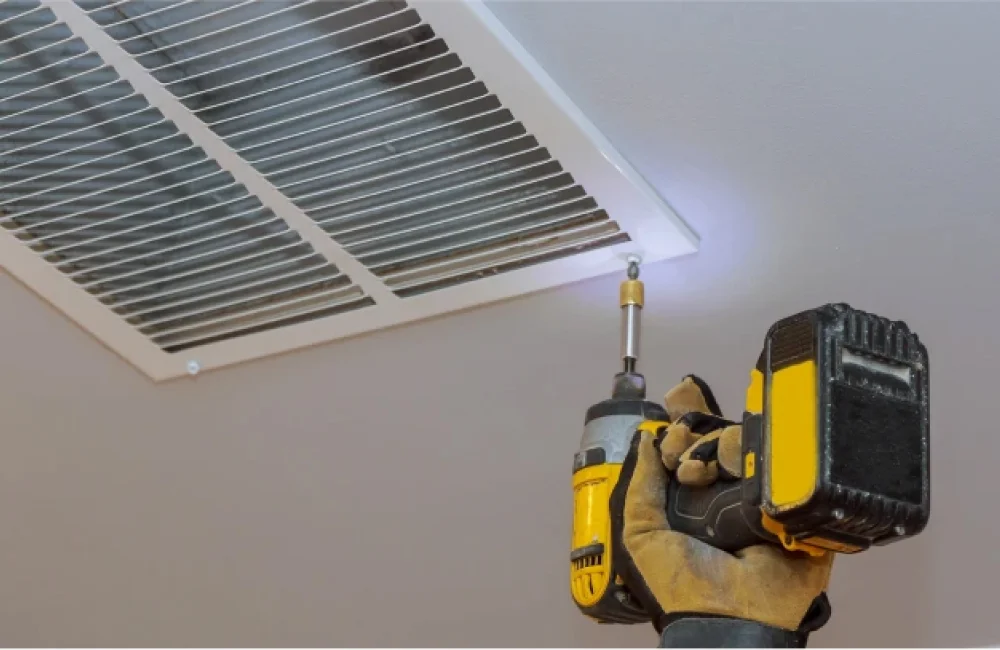
- Regularly clean vents and fans: Dust and debris can accumulate, reducing efficiency and air quality.
- Replace filters as recommended: Whether it’s an HVAC system or a standalone air purifier, fresh filters are essential for optimal performance.
- Monitor humidity levels: Use a hygrometer to ensure humidity stays between 30% and 50%, which helps prevent mold and dust mites.
- Limit indoor pollutants: Choose low-VOC office supplies and avoid using harsh chemicals in your workspace.
- Bring in plants: Certain houseplants can help absorb toxins and improve air quality, though they are not a substitute for proper ventilation.
Common Challenges and How to Overcome Them
Some home offices present unique challenges when it comes to airflow. Here’s how to address a few common issues:
- Windowless rooms: Install a ceiling or wall-mounted exhaust fan to move stale air out and draw fresh air in from adjacent spaces.
- Converted closets or alcoves: Use a combination of portable fans and air purifiers to keep air moving and filter out particulates.
- Noise sensitivity: Opt for quiet models of fans or purifiers, and consider scheduling regular breaks to step outside for fresh air.
By proactively addressing these challenges, you can create a workspace that supports both your productivity and your health.
Frequently Asked Questions
How often should I ventilate my home office?
Ideally, you should refresh the air in your workspace at least once every hour, especially if the room is small or lacks natural airflow. Opening a window for 10–15 minutes or running an exhaust fan can make a significant difference.
Can air purifiers replace proper ventilation?
While air purifiers help remove particulates and some pollutants, they do not replace the need for fresh air exchange. Combining both approaches ensures the best indoor air quality for your workspace.
What is the best ventilation solution for a windowless home office?
For windowless rooms, mechanical solutions like ceiling exhaust fans or ducted ventilation systems are most effective. Pairing these with an air purifier can further improve air quality and comfort.
Conclusion
Ensuring proper ventilation for home offices is a crucial step in creating a healthy and productive environment. Whether you rely on natural airflow or invest in mechanical systems, prioritizing clean, fresh air will benefit your focus, comfort, and long-term well-being. For more ideas on optimizing your living and working spaces, explore related topics such as kitchen remodeling compact kitchen ideas and other home improvement resources.