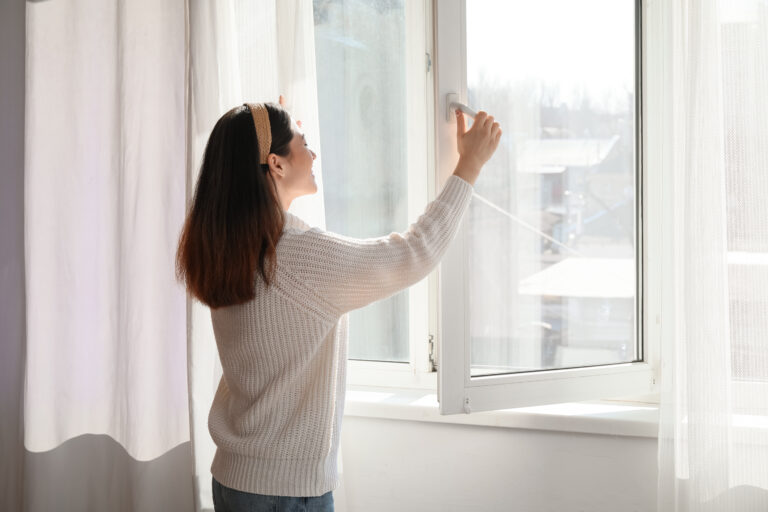

Modern construction methods have brought impressive improvements in energy efficiency, comfort, and style. However, as homes become more airtight and insulated, the need for effective ventilation has never been greater. Understanding the reasons new homes need more ventilation is essential for homeowners, builders, and anyone interested in maintaining a healthy indoor environment.
With tighter building envelopes, less natural air exchange occurs, trapping moisture, pollutants, and stale air inside. This guide explores why enhanced airflow is crucial in recently built properties, the risks of inadequate ventilation, and practical solutions for ensuring your home remains safe and comfortable.
Ventilation is not just a concern for living rooms and bedrooms. If you’re planning upgrades in areas like the kitchen, consider integrating airflow improvements alongside design changes. For inspiration on maximizing space and function, see kitchen remodeling compact kitchen ideas.
How Modern Building Practices Affect Indoor Air
Today’s homes are designed to minimize energy loss. Double glazing, advanced insulation, and weatherproofing keep conditioned air inside, reducing heating and cooling costs. While these features are excellent for efficiency, they also reduce the natural “leakiness” that once allowed fresh air to enter and stale air to escape.
This shift means that, without intentional airflow, indoor air quality can quickly deteriorate. Pollutants from cooking, cleaning products, off-gassing materials, and even human activity accumulate, increasing the risk of health issues and discomfort.
Key Reasons Enhanced Ventilation Is Essential in New Builds
There are several reasons new homes need more ventilation compared to older properties. Below are the most significant factors driving this requirement:
1. Increased Airtightness Traps Pollutants
Modern construction standards prioritize airtightness to save energy. However, this also means that volatile organic compounds (VOCs), carbon dioxide, and other indoor pollutants have fewer ways to escape. Without adequate airflow, these contaminants build up, leading to poor air quality and potential health risks.
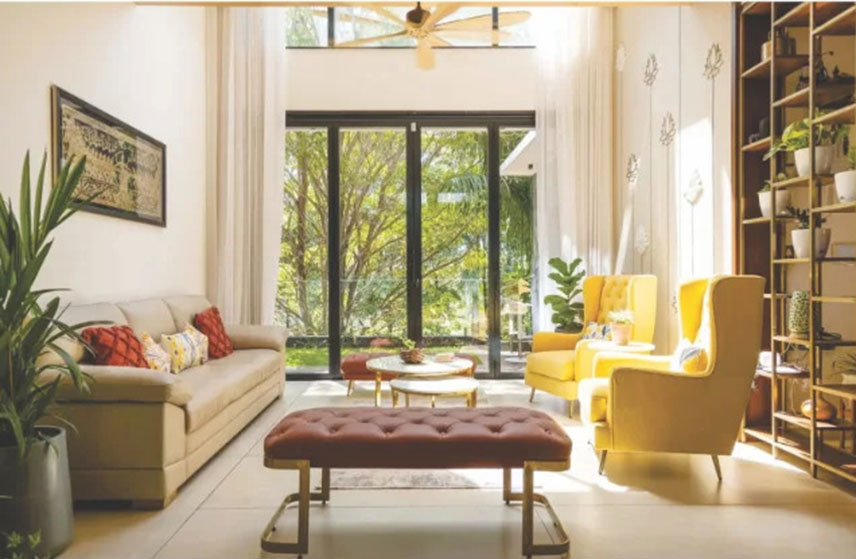
2. Moisture Control and Mold Prevention
Everyday activities like showering, cooking, and even breathing release moisture into the air. In a tightly sealed home, this moisture has nowhere to go, increasing humidity levels. Over time, excess moisture can lead to condensation on windows, damp patches, and the growth of mold and mildew. These issues not only damage building materials but can also trigger allergies and respiratory problems.
3. Maintaining a Healthy Living Environment
Good ventilation helps dilute and remove indoor pollutants, allergens, and odors. This is especially important for families with young children, elderly residents, or anyone with asthma or allergies. By ensuring a steady supply of fresh air, you can create a healthier and more comfortable home.
Common Signs of Poor Ventilation in New Homes
Recognizing the symptoms of inadequate airflow is the first step toward addressing the problem. Watch for these indicators:
- Condensation on windows and walls
- Musty or stale odors that linger
- Visible mold growth, especially in bathrooms or kitchens
- Frequent headaches or allergy symptoms among occupants
- Peeling paint or wallpaper due to excess moisture
If you notice one or more of these issues, it’s likely your home could benefit from improved ventilation solutions.
Effective Solutions for Improving Airflow
There are several ways to increase ventilation in modern homes, ranging from simple habits to advanced mechanical systems. Here are some practical options:
- Whole-house fans: These systems draw fresh air through open windows and exhaust stale air through the attic, providing rapid air exchange.
- Exhaust fans: Install in kitchens, bathrooms, and laundry rooms to remove moisture and odors directly at the source.
- Heat recovery ventilators (HRVs) and energy recovery ventilators (ERVs): These devices exchange stale indoor air with fresh outdoor air while minimizing energy loss.
- Air filtration kits: Help remove fine particles, allergens, and pollutants, especially in homes near busy roads or with pets.
- Regular window opening: Even a few minutes of cross-ventilation each day can make a noticeable difference.
For a deeper dive into mechanical systems and how they work, see this comprehensive guide to whole-house ventilation systems.
Balancing Energy Efficiency and Air Quality
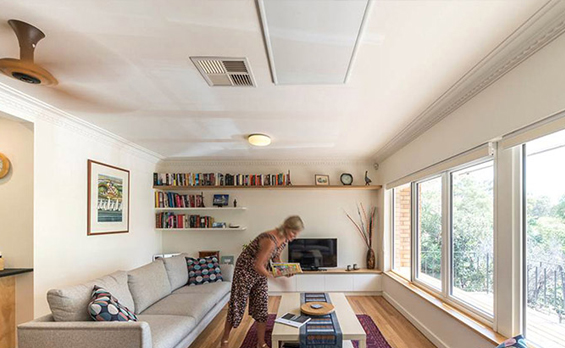
One of the main challenges in new construction is finding the right balance between energy savings and healthy indoor air. While sealing up a home reduces drafts and cuts utility bills, it also makes mechanical ventilation a necessity. The best approach is to combine airtight construction with a well-designed ventilation strategy, ensuring both comfort and efficiency.
For those considering kitchen upgrades, integrating ventilation improvements can also enhance the overall design. Explore more on kitchen remodeling texture design ideas for inspiration on blending function and style.
Frequently Asked Questions
What are the main health risks of poor ventilation in new homes?
Insufficient airflow can lead to the buildup of indoor pollutants, allergens, and excess moisture. This environment increases the risk of respiratory issues, allergies, headaches, and can worsen conditions like asthma. Mold growth due to trapped humidity is another significant health concern.
How can I tell if my home needs better ventilation?
Common signs include persistent condensation, musty odors, visible mold, and frequent allergy symptoms among residents. If you notice these issues, it’s a strong indication that your home would benefit from improved airflow solutions.
Are mechanical ventilation systems worth the investment?
Yes, especially in modern, airtight homes. Mechanical systems like HRVs, ERVs, and exhaust fans provide consistent, controlled air exchange, helping maintain healthy indoor air quality while preserving energy efficiency. Over time, they can prevent costly damage from mold and moisture, making them a smart long-term investment.
Conclusion
As building standards continue to evolve, the importance of proper ventilation in new homes cannot be overstated. Enhanced airflow is essential for maintaining healthy indoor air, controlling moisture, and preventing structural damage. By understanding the reasons new homes need more ventilation and choosing the right solutions, homeowners can enjoy the benefits of modern construction without compromising on comfort or well-being.
For more tips on optimizing your living spaces, see our advice on kitchen remodeling space optimization tips and kitchen remodeling visual balance tips.