
As the demand for sustainable living rises, smart home technology net-zero homes is becoming a central topic for homeowners, builders, and architects. These advanced systems not only help reduce energy consumption but also make it easier to monitor, control, and optimize every aspect of a home’s performance. By integrating intelligent devices and automation, achieving a net-zero energy balance is more accessible and efficient than ever before.
Understanding how these technologies work together is essential for anyone planning to build or retrofit a property to meet net-zero standards. In this article, we’ll explore the essential components, integration strategies, and practical benefits of combining smart home solutions with net-zero construction. For those interested in the broader construction process, it’s also valuable to review the construction timeline net-zero homes to understand how technology fits into each phase.
What Makes a Home Net-Zero?
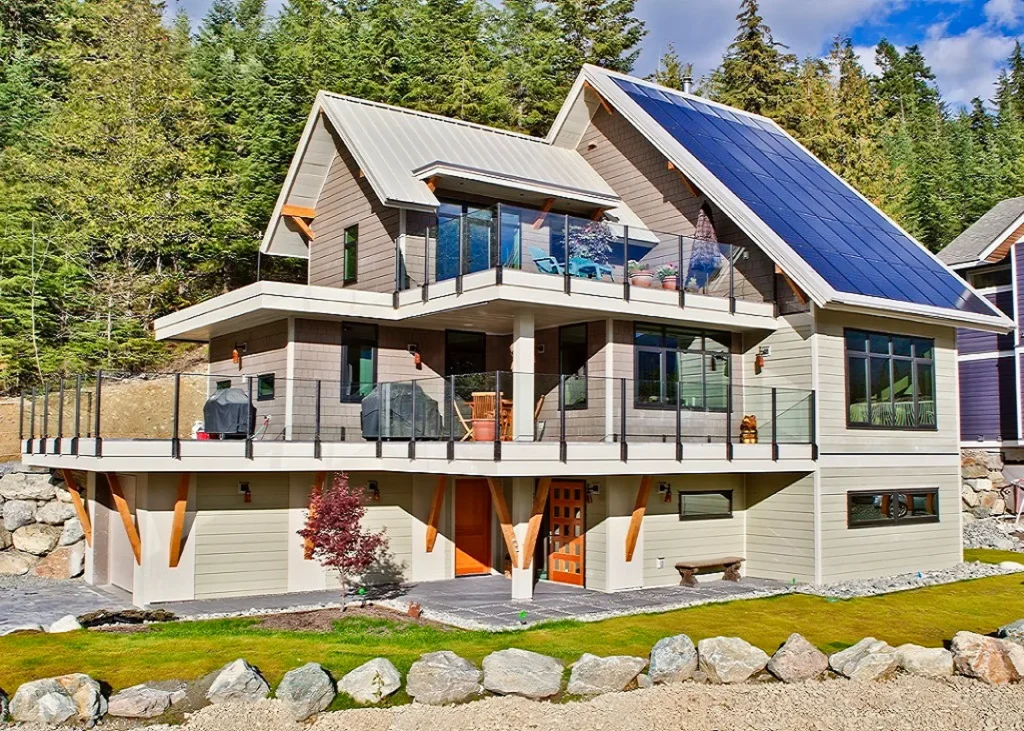
A net-zero home is designed to produce as much energy as it consumes over the course of a year. This is achieved through a combination of high-efficiency building materials, renewable energy sources, and careful management of energy use. Smart home technology plays a pivotal role by providing real-time data, automation, and remote control, allowing homeowners to fine-tune their energy consumption and maximize efficiency.
Key features of a net-zero property include:
- High-performance insulation and airtight construction
- Energy-efficient windows and doors
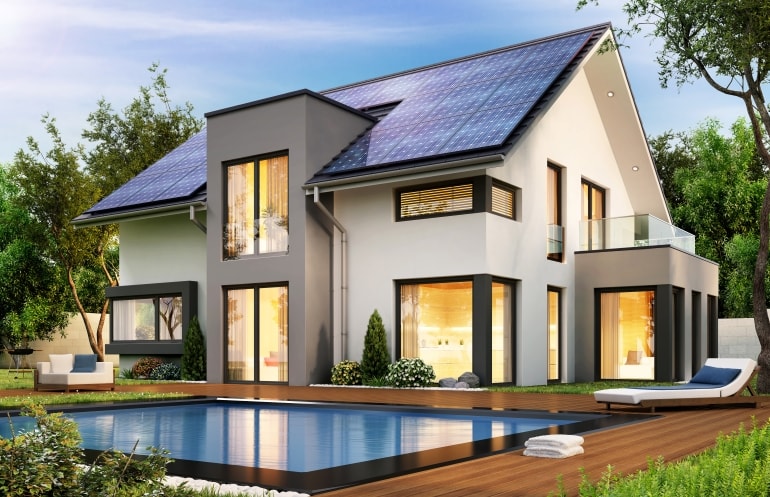
- Solar panels or other renewable energy systems
- Advanced HVAC systems with heat recovery
- Smart energy monitoring and automation
By integrating these elements, it’s possible to create a living space that is comfortable, resilient, and environmentally responsible.
Core Components of Smart Home Technology in Net-Zero Living
To achieve the benefits of smart home technology net-zero homes, several core components must work together seamlessly. Let’s look at the most important systems and how they contribute to energy efficiency and sustainability.
1. Smart Energy Monitoring and Management
Energy monitoring is the backbone of any intelligent net-zero system. Devices like whole-home energy monitors track real-time electricity usage, helping homeowners identify which appliances or systems are consuming the most power. This data allows for informed decisions about when and how to use energy-intensive devices.
Automated energy management systems can also schedule appliances to run during off-peak hours or when solar generation is highest. This not only reduces utility bills but also maximizes the use of renewable energy produced on-site.
2. Intelligent Climate Control
Heating and cooling are typically the largest sources of energy use in a home. Smart thermostats and zoning systems allow for precise temperature control in different areas, adapting to occupancy patterns and weather conditions. These devices can learn routines, adjust settings automatically, and even be controlled remotely via smartphone apps.
Some advanced systems integrate with weather forecasts and solar production data to optimize HVAC operation, further reducing energy demand and supporting the net-zero goal.
3. Automated Lighting and Appliance Control
Lighting and plug loads can be managed with smart switches, dimmers, and outlets. Automation ensures lights are only on when needed and can adjust brightness based on natural daylight. Similarly, smart plugs can turn off devices that are not in use, eliminating phantom loads and unnecessary energy waste.
Integrating these controls with occupancy sensors and schedules helps maintain comfort while minimizing consumption.
Integrating Smart Home Solutions for Maximum Efficiency
To fully realize the benefits of integrated smart home technology in a net-zero context, it’s important to ensure that all devices communicate and work together. This is typically achieved through a central hub or platform that connects lighting, HVAC, energy monitoring, and security systems.
Open protocols and interoperability are key considerations when selecting devices. Homeowners should look for products that support standards like Zigbee, Z-Wave, or Matter, which allow for seamless integration and future scalability.
For a detailed look at the construction and engineering side of sustainable housing, consider reading about structural systems net-zero housing to see how building design supports smart technology integration.
Benefits of Smart Home Integration in Sustainable Housing
Combining intelligent systems with net-zero building practices offers several advantages:
- Energy Savings: Automated controls and real-time monitoring help reduce waste and optimize usage, leading to lower utility bills.
- Comfort and Convenience: Smart devices adapt to your lifestyle, maintaining ideal conditions without constant manual adjustments.
- Environmental Impact: Reducing energy consumption and maximizing renewable use lowers your carbon footprint.
- Resilience: Integrated systems can provide alerts for maintenance issues, power outages, or unusual consumption patterns, helping prevent problems before they escalate.
For those considering a new build or retrofit, it’s important to avoid common mistakes net-zero construction by planning technology integration from the start.
Planning and Implementation Tips
Successfully implementing smart home technology net-zero homes requires careful planning and collaboration with experienced professionals. Here are some practical tips:
- Assess Your Needs: Identify which systems (energy, HVAC, lighting, security) are most important for your lifestyle and goals.
- Choose Compatible Devices: Select products that support open protocols and can be easily integrated with other systems.
- Work with Experts: Engage with architects, builders, and technology consultants who have experience in sustainable, connected homes.
- Plan for the Future: Design your system with scalability in mind, allowing for upgrades as technology evolves.
- Monitor and Adjust: Use data from your smart systems to continually optimize performance and comfort.
For a step-by-step overview of the building process, including how technology fits in, see the comprehensive guide to building a net-zero home.
FAQ: Smart Technology and Net-Zero Homes
How does smart home technology help achieve net-zero energy?
Smart devices enable precise control and monitoring of energy use, making it easier to match consumption with on-site renewable production. Automation, scheduling, and real-time feedback help homeowners reduce waste and optimize efficiency.
Can existing homes be retrofitted with smart systems for net-zero goals?
Yes, many smart devices are designed for retrofit applications. Energy monitors, smart thermostats, and automated lighting can be added to existing homes, helping to improve efficiency and move toward net-zero performance.
What are the most important features to look for in smart home devices for sustainable living?
Look for interoperability, energy monitoring capabilities, automation features, and compatibility with renewable energy systems. Devices that support open standards are easier to integrate and future-proof.
Conclusion
Integrating smart home technology with net-zero construction creates homes that are efficient, comfortable, and environmentally responsible. By leveraging automation, real-time data, and intelligent controls, homeowners can achieve true energy balance and enjoy a modern, sustainable lifestyle. As technology continues to evolve, the possibilities for smarter, greener living will only expand.