
In the quest for a more sustainable future, the concept of green construction has gained considerable traction. With an increasing number of homeowners and real estate developers investing in eco-friendly building techniques, it has become crucial to examine what this trend entails. This green construction review aims to illuminate the practices, benefits, and challenges of this ever-evolving industry.

Understanding Green Construction
Green construction, often referred to as sustainable building, is a method of creating buildings that are environmentally responsible and resource-efficient. This involves utilizing materials and processes that enhance efficiency and reduce environmental impact throughout a building’s lifecycle: from siting to design, construction, operation, maintenance, renovation, and deconstruction.
Benefits of Green Construction
Environmental Impact
Green buildings help in reducing carbon footprints by incorporating renewable energy sources and minimizing waste. They are designed to improve energy efficiency, conserve water, and promote the use of materials with lesser environmental impact. A 2022 report showed a substantial drop in greenhouse gas emissions from green buildings, making them a vital player in combating climate change.
Economic Advantages
While initial costs for green construction might be higher, they often lead to significant savings in the long run. Energy-efficient designs and appliances lower utility bills, maintenance costs decrease significantly, and such buildings often have higher property values, appealing to environmentally conscious buyers and tenants. Learn more about the economic benefits of green construction here.
Healthier Living Spaces
An often-overlooked benefit of green buildings is their impact on occupants’ health. By improving indoor air quality, using natural lighting, and regulating temperatures, these buildings contribute to better mental and physical well-being, making them attractive to both homeowners and commercial investors.
Challenges in Green Construction
Higher Initial Costs
One of the most significant barriers to the adoption of green construction practices is the initial expenditure. Sustainable materials and technologies tend to be more expensive upfront, and the building process can be more labor-intensive, affecting the budget.
Skill and Knowledge Gap
The construction industry is continuously evolving, but knowledge gaps regarding sustainable practices remain. It is essential to provide further training and education for architects, engineers, and construction workers to bridge this gap and facilitate smoother transitions to green building practices.
Regulatory Hurdles
Different regions have varying standards and regulations regarding sustainable building. Navigating these can be complex, and newcomers to the industry may face challenges trying to comply with all necessary codes and certifications.
Key Components of Green Construction
Sustainable Materials
Using environmentally friendly materials is at the core of green construction. This includes recycled resources, rapidly renewable materials, and sustainably sourced wood. Energy-efficient windows, doors, and insulation are also integral parts of these buildings.
Energy Efficiency
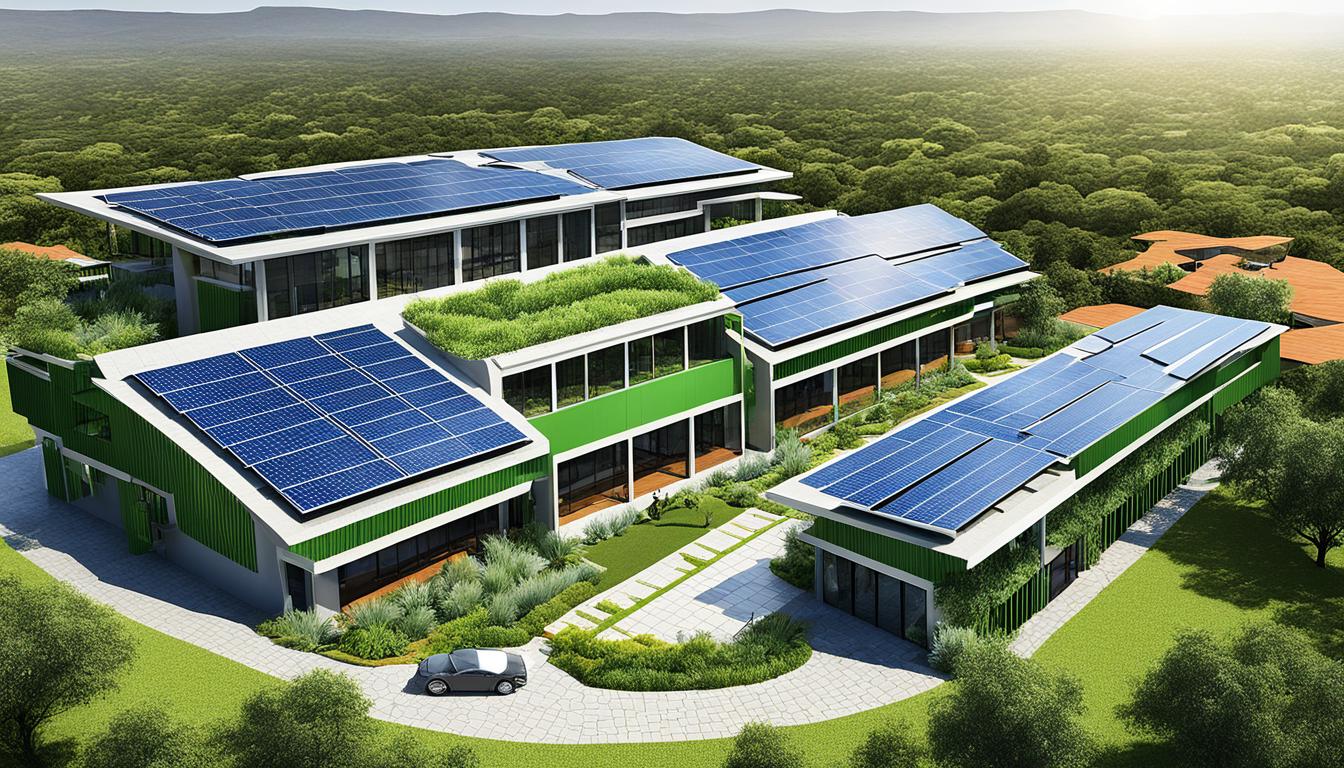
Green buildings are designed to maximize energy efficiency, reducing usage without sacrificing comfort. This often involves smart thermostats, energy-efficient HVAC systems, and LED lighting, as well as utilizing natural energy sources such as solar panels.
Water Conservation
Water-saving fixtures and rainwater harvesting systems contribute significantly to reducing water usage. These ensure efficient water management and diminish the building’s overall water footprint.
Indoor Environmental Quality
High-quality indoor environments are a significant factor in green construction. This includes the use of non-toxic materials, efficient ventilation systems, and enhanced natural lighting to create a healthier living space. Learn about green building standards in the US here.
Examples of Successful Green Constructions
Commercial Green Buildings
Many commercial spaces have adopted green building practices, utilizing renewable energy and sustainable materials. By doing this, they not only save on costs but also attract businesses that value sustainability.
Residential Green Homes
Green homes have emerged as a preference for those looking to decrease their environmental footprint while reducing maintenance and utility expenses. These homes integrate advanced technologies and sustainable materials to maximize efficiency and comfort.
Government Initiatives
Several governments worldwide have begun to mandate or encourage green construction practices, providing subsidies and incentives to promote sustainable development.
Future of Green Construction
Emerging Technologies
The future of green construction lies in the continuous development of new technologies designed to enhance efficiency and reduce waste even further. Innovations such as 3D printing, smart materials, and AI-driven efficiency solutions are on the horizon.
Increased Demand
As awareness grows, so too does demand for sustainable building. This trend is expected to continue, with more stakeholders embracing green building practices in their projects.
Conclusion: Embracing Green Construction
By embracing green construction, we pave the way for a more sustainable future. This area promises countless benefits, from reducing environmental impacts to enhancing quality of life, making it a worthwhile investment for any conscientious homeowner or developer.

FAQs
What is green construction?
Green construction refers to the practice of creating structures while prioritizing environmental responsibility and resource efficiency.
Why is green construction important?
It is significant because it helps reduce environmental impacts, provides economic advantages, and creates healthier living environments.
What are some examples of green construction?
Examples include buildings using renewable energy, recycled materials, water-saving fixtures, and energy-efficient designs.
This article contains affiliate links. We may earn a commission at no extra cost to you.