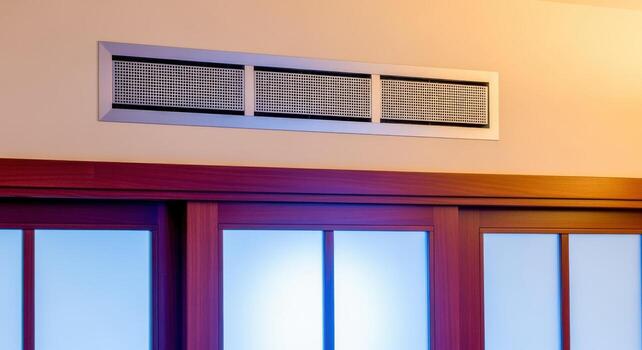

Maintaining a healthy indoor environment is a priority for many homeowners and business operators. One important but often overlooked aspect of indoor air quality is the cleanliness of your HVAC system’s ductwork. Over time, air ducts can accumulate dust, debris, allergens, and even mold, which can negatively impact both air quality and system efficiency. In this guide, we’ll break down the essentials of duct cleaning, why it matters, and how to approach it for the best results.
Understanding how to keep your ductwork clean not only helps maintain a comfortable living space but can also prolong the life of your HVAC system. If you’re interested in optimizing other areas of your home, you might also find value in kitchen remodeling space optimization tips for maximizing efficiency in your kitchen layout.
Why Air Duct Cleaning Matters for Indoor Air Quality
Air ducts serve as the lungs of your home or office, circulating heated or cooled air throughout the building. When these passages are clogged with dust, pet dander, pollen, or other contaminants, the air you breathe can become compromised. For those with allergies, asthma, or other respiratory conditions, dirty ducts can exacerbate symptoms and reduce overall comfort.
In addition to health concerns, buildup inside ductwork can force your HVAC system to work harder, leading to increased energy consumption and higher utility bills. Regular maintenance and cleaning can help prevent these issues, ensuring your system operates efficiently and your indoor air stays fresh.
Signs Your Ducts Need Attention
It’s not always obvious when ductwork requires cleaning. However, there are several indicators that it might be time to schedule a professional service:
- Visible dust or debris blowing from vents when the system is running
- Unexplained musty or stale odors coming from the ventilation system
- Frequent allergy flare-ups or respiratory issues among occupants
- Mold growth visible inside ducts or on other HVAC components
- Recent renovations or construction work that generated dust
If you notice any of these warning signs, it’s a good idea to investigate further or consult a professional for an assessment.

What’s Involved in Professional Duct Cleaning?
When you hire a certified technician for duct cleaning, the process typically involves several steps to ensure thorough removal of contaminants. Here’s what you can expect:
- Inspection: The technician will assess your ductwork, often using cameras to identify buildup or blockages.
- Preparation: Vents and registers are covered to contain dust, and the HVAC system is turned off.
- Dislodging Debris: Specialized tools such as brushes and air whips are used to loosen dirt and dust from the duct walls.
- Vacuuming: A high-powered vacuum system collects the loosened debris, preventing it from circulating back into your home.
- Sanitizing (if needed): In cases of mold or bacteria, safe cleaning agents may be applied to disinfect the ducts.
- Final Inspection: The technician ensures all contaminants have been removed and the system is functioning properly.
It’s important to choose a reputable provider who follows industry standards, such as those set by the National Air Duct Cleaners Association (NADCA).
DIY Duct Maintenance Tips
While a full duct cleaning is best left to professionals, there are steps you can take to minimize dust and maintain your system between services:
- Change HVAC filters regularly, at least every 1–3 months
- Vacuum and dust around vents and registers
- Keep furniture and drapes away from vents to allow proper airflow
- Seal gaps or leaks in ductwork with approved materials
- Schedule annual HVAC inspections to catch issues early
These simple actions can help reduce the accumulation of contaminants and support better air quality year-round.
How Often Should You Schedule Duct Cleaning?
The frequency of duct cleaning depends on several factors, including the age of your HVAC system, whether you have pets, and if anyone in your household has allergies or respiratory issues. As a general guideline, most experts recommend a professional cleaning every 3–5 years. However, you may need more frequent service if:
- You’ve recently completed a home renovation
- There is visible mold growth inside the ducts
- Occupants smoke indoors
- You notice persistent dust or musty odors
Regular inspections can help determine the best schedule for your specific needs.
Benefits of Clean Ductwork
Investing in regular duct maintenance offers a range of advantages:
- Improved air quality: Reduces allergens and irritants circulating in your home
- Enhanced HVAC efficiency: Clean ducts allow air to flow freely, reducing strain on your system
- Lower energy bills: An efficient system uses less energy to maintain comfortable temperatures
- Extended equipment lifespan: Less buildup means less wear and tear on HVAC components
- Odor removal: Eliminates musty or stale smells caused by dust and mold
For more strategies on maintaining a healthy home, you can explore resources like this comprehensive guide to home ventilation, which covers additional methods for improving indoor air quality.
Common Myths About Duct Cleaning
There are several misconceptions surrounding duct cleaning. Here are a few facts to keep in mind:
- Myth: Duct cleaning is unnecessary unless there’s a problem.
Fact: Routine cleaning can prevent issues before they arise and maintain optimal air quality. - Myth: Duct cleaning will solve all indoor air quality problems.
Fact: While helpful, duct cleaning should be combined with other measures like regular filter changes and proper ventilation. - Myth: All duct cleaning services are the same.
Fact: Quality varies. Always choose certified professionals who follow industry best practices.
FAQ
Is duct cleaning safe for all HVAC systems?
Yes, when performed by trained professionals using proper equipment, duct cleaning is safe for most modern HVAC systems. It’s important to hire a reputable provider who understands your specific system and uses methods that won’t damage ductwork or components.
Can I clean my own air ducts?
Basic maintenance like changing filters and vacuuming vent covers can be done by homeowners. However, a thorough cleaning of the entire duct system requires specialized tools and expertise. Attempting a full cleaning without the right equipment can risk damaging your ducts or spreading dust throughout your home.
How do I choose a reliable duct cleaning service?
Look for companies that are certified by organizations such as NADCA, have positive customer reviews, and provide clear explanations of their process. Ask about their equipment, methods, and whether they offer before-and-after inspections to ensure quality work.
Will duct cleaning help with allergies?
Removing dust, pollen, and other allergens from your ductwork can reduce triggers for allergy sufferers. While it’s not a cure-all, it can be an important part of an overall strategy for improving indoor air quality and comfort.
Keeping your HVAC system’s ductwork clean is a practical step toward a healthier and more efficient home. By understanding the process, recognizing when service is needed, and maintaining good habits, you can enjoy cleaner air and peace of mind year-round.