
Choosing the right color palette is one of the most impactful decisions you’ll make during a kitchen renovation. Neutral tones have become a go-to choice for homeowners and designers who want a space that feels classic, versatile, and inviting. With the right approach, a neutral kitchen can be anything but bland—offering warmth, sophistication, and a backdrop that works with any style or accent.
This guide explores kitchen remodeling neutral color ideas that stand the test of time, from subtle off-whites to earthy taupes and modern grays. You’ll discover how to layer shades, add texture, and create a balanced look that feels fresh for years to come. For more on achieving a cohesive and harmonious kitchen, check out these kitchen remodeling visual balance tips for additional inspiration.
Why Choose a Neutral Palette for Your Kitchen?
Opting for a neutral scheme offers several advantages. These shades create a sense of calm and spaciousness, making even small kitchens feel open and airy. Neutral colors are also highly adaptable, allowing you to refresh your space with new hardware, lighting, or décor without needing a full remodel.
- Timeless Appeal: Neutral kitchens rarely go out of style, ensuring your investment looks current for years.
- Easy to Personalize: Add pops of color through accessories, art, or seasonal décor for a quick update.
- Resale Value: Homes with neutral kitchens often appeal to a broader range of buyers.
Popular Neutral Color Schemes for Kitchen Remodels
There’s more to neutral than just white. Here are some of the most popular and enduring options for a kitchen refresh:
Classic Whites and Off-Whites
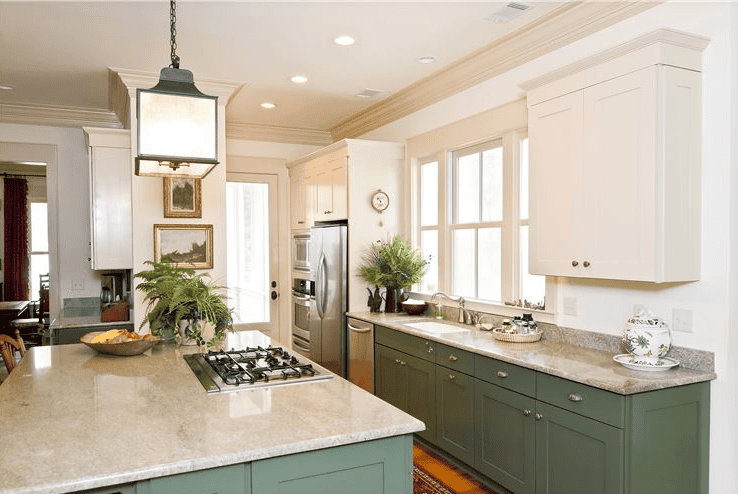
White kitchens remain a favorite for their clean, bright look. Off-whites, such as ivory or cream, soften the effect and add warmth. Pairing white cabinetry with natural stone countertops or wood accents prevents the space from feeling sterile.
Warm Beiges and Taupes
Beige and taupe tones introduce subtle color while maintaining a neutral base. These hues work well with wood floors, brass hardware, and natural textures. They’re especially effective in traditional or transitional kitchens seeking a cozy, welcoming atmosphere.
Modern Grays and Greiges
Gray has become a staple in contemporary kitchen design. Light grays offer a sleek, modern vibe, while deeper charcoal shades add drama. Greige—a blend of gray and beige—delivers the best of both worlds, providing versatility and depth.
Layering Neutrals for Depth and Interest
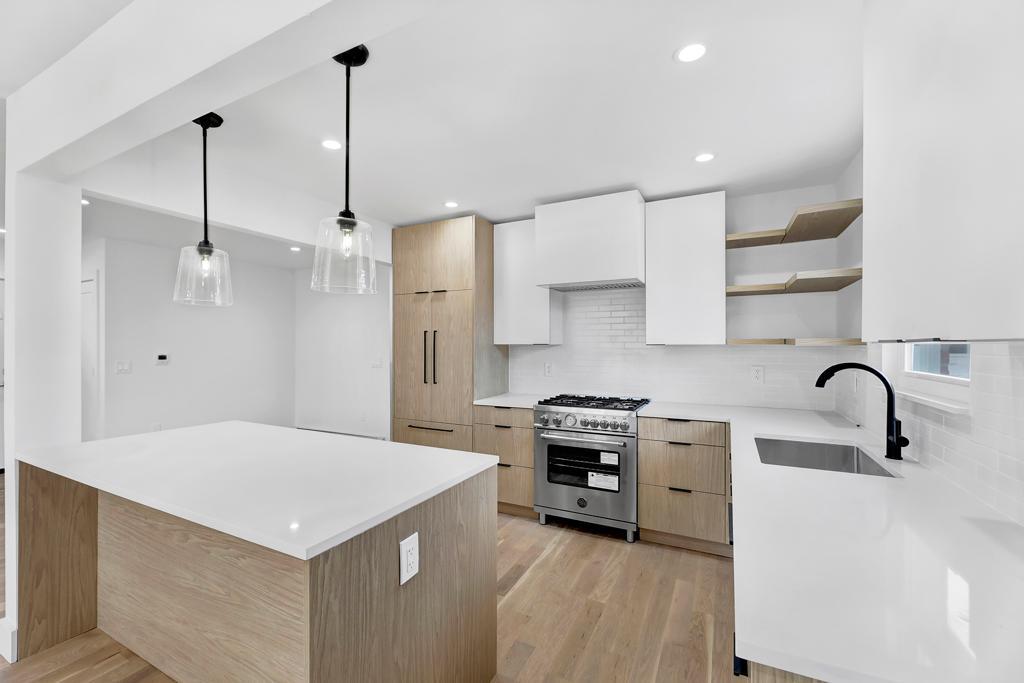
One of the secrets to a stunning neutral kitchen is layering different shades and textures. Mixing warm and cool tones, matte and glossy finishes, or smooth and rough surfaces keeps the space visually engaging.
- Cabinetry: Try combining upper cabinets in a light hue with lower cabinets in a deeper shade for contrast.
- Backsplashes: Subway tiles in soft gray or beige add subtle pattern and texture.
- Countertops: Natural materials like marble, quartz, or butcher block introduce organic variation.
- Floors: Wood or stone flooring in neutral tones grounds the space and adds warmth.
For more expert advice on coordinating finishes and achieving a cohesive look, see the kitchen remodeling style planning guide for cohesive interiors.
Accenting with Natural Materials and Metallics
Neutral kitchens benefit from the addition of natural and metallic elements. Wood beams, rattan stools, or stone countertops bring in warmth and texture, while metal hardware and fixtures add a touch of shine. These accents help prevent the space from feeling flat or monotonous.
Consider mixing brushed nickel, matte black, or brass hardware for a modern yet timeless effect. Open shelving with wood or glass also provides opportunities to display favorite dishes or decorative objects, adding personality without overwhelming the neutral base.
Lighting and Finishing Touches for Neutral Kitchens
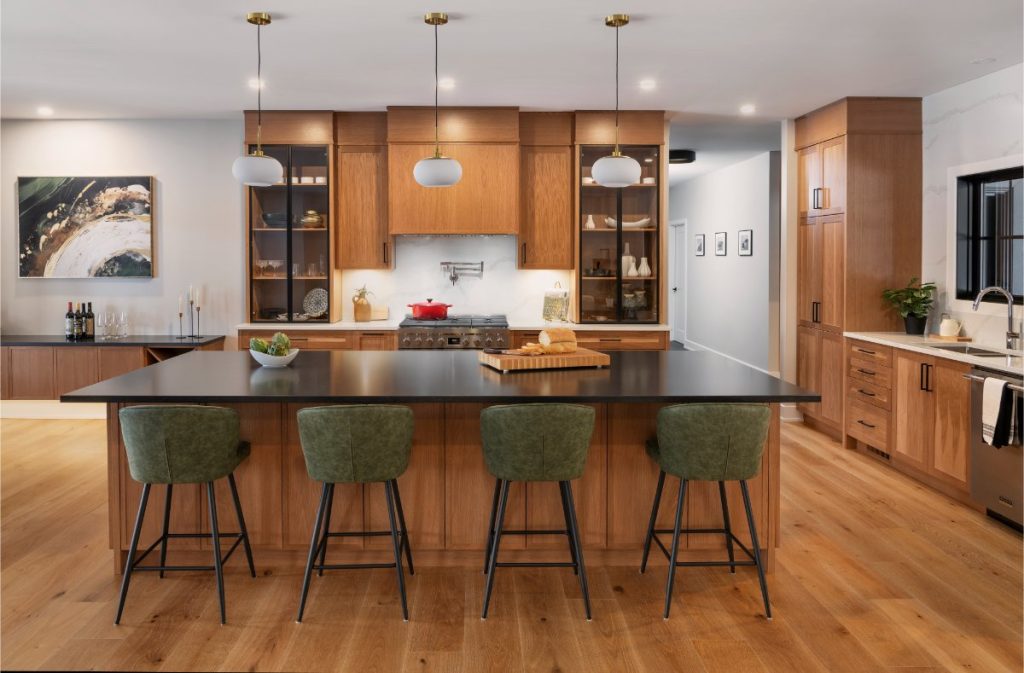
Lighting plays a crucial role in enhancing neutral color palettes. Layered lighting—combining recessed lights, pendants, and under-cabinet fixtures—ensures the space feels bright and welcoming at all times of day. Consider using dimmers to adjust the mood and highlight different areas.
Finishing touches, such as textiles, plants, and artwork, can introduce subtle color and personality. Linen curtains, woven rugs, or a vase of greenery add softness and life to the room. These elements can be easily swapped out, allowing you to refresh the look without major changes.
For more practical ideas on optimizing your kitchen’s layout and workflow, you might find value in the kitchen remodeling cleaning zone layout ideas for practical kitchens.
Tips for a Successful Neutral Kitchen Remodel
- Test Paint Samples: Always test paint colors in your space, as lighting and surrounding finishes can affect how shades appear.
- Balance Warm and Cool: Mix warm and cool neutrals to avoid a space that feels too cold or too yellow.
- Focus on Quality: Invest in durable materials and timeless finishes for cabinets, countertops, and flooring.
- Plan for Storage: Neutral kitchens benefit from clutter-free surfaces, so include plenty of storage solutions.
- Consult the Pros: For a step-by-step approach to planning your remodel, see this comprehensive kitchen renovation guide from design experts.
Frequently Asked Questions
What are the best neutral colors for a kitchen remodel?
The most popular choices include soft whites, creamy ivories, warm beiges, taupes, light grays, and greige. These shades work well with a variety of materials and styles, creating a timeless look that’s easy to update with accessories.
How can I add interest to an all-neutral kitchen?
Layering different shades, textures, and finishes is key. Combine matte and glossy surfaces, natural materials like wood or stone, and metallic accents. Open shelving, patterned backsplashes, and unique lighting fixtures also add personality without overpowering the space.
Will a neutral kitchen look dated over time?
Neutral kitchens are known for their longevity. By choosing classic shades and quality materials, your kitchen will remain stylish for years. You can always refresh the look with new hardware, lighting, or décor as trends evolve.
Conclusion
Neutral color palettes offer unmatched flexibility and enduring style for kitchen remodels. By thoughtfully selecting shades, layering textures, and adding natural or metallic accents, you can create a space that feels both timeless and uniquely yours. Whether you prefer crisp whites, warm beiges, or modern grays, these ideas will help you design a kitchen that stands the test of time and adapts to your changing tastes.
For more inspiration on hardware, see the kitchen remodeling hardware style guide for cabinets and drawers, or explore hidden appliance solutions in this guide to sleek kitchen appliance ideas.