
Choosing the right finishes for a commercial workspace is a crucial step in any office buildout interior finish selection process. The materials, colors, and textures you choose not only influence the look and feel of the environment but also impact employee comfort, productivity, and the long-term value of your investment. With so many options available, making informed decisions can feel overwhelming. This guide breaks down what to consider, how to balance aesthetics with function, and where to focus your attention for the best results.
As you plan your project, it’s helpful to understand how different elements—from flooring and walls to lighting and fixtures—work together to create a cohesive, functional space. For a deeper dive into related topics, you might also find value in resources like office buildout partition wall types, which explores structural options that can influence your finish choices.
Understanding the Role of Interior Finishes in Office Buildouts
The selection of finishes in a commercial office environment goes beyond simple decoration. Every material and surface contributes to the overall atmosphere, durability, and maintenance requirements of the workspace. In the context of a buildout project, finishes include everything from flooring and wall coverings to ceilings, lighting, cabinetry, and hardware.
A well-thought-out finish plan ensures that your office not only looks appealing but also supports daily operations, withstands wear and tear, and aligns with your brand identity. Early coordination with architects, designers, and contractors is essential to avoid costly changes later in the process.
Key Considerations for Selecting Office Finishes
When evaluating options for your office buildout interior finish selection, keep these core factors in mind:
- Durability: High-traffic areas require robust materials that can handle frequent use without showing signs of wear.
- Maintenance: Choose finishes that are easy to clean and maintain, especially in shared spaces like kitchens and restrooms.
- Acoustics: Certain finishes, such as acoustic ceiling tiles or carpet tiles, help control noise and create a more comfortable environment.
- Sustainability: Environmentally friendly materials, such as low-VOC paints or recycled-content flooring, can support your company’s sustainability goals.
- Budget: Balance upfront costs with long-term value. Sometimes, investing in higher-quality finishes pays off through reduced maintenance and longer lifespan.
- Branding and Aesthetics: Colors, textures, and materials should reflect your company’s culture and values, creating a positive impression for both employees and visitors.

Popular Finish Options for Modern Workspaces
The range of materials and finishes available for commercial interiors continues to expand. Here are some of the most common choices for today’s offices:
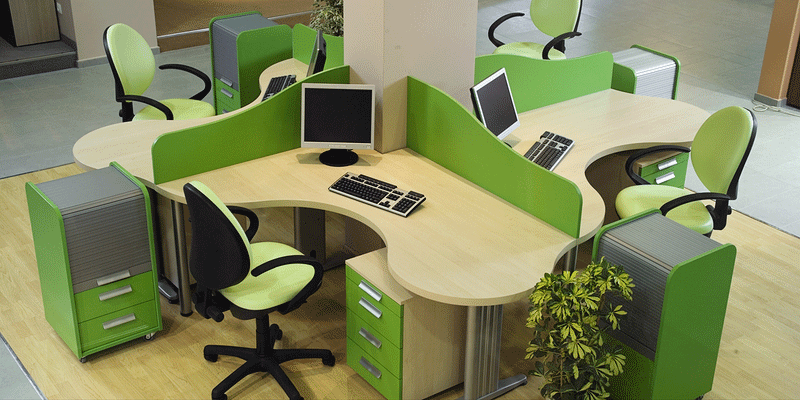
- Flooring: Carpet tiles are popular for their acoustic benefits and ease of replacement. Luxury vinyl tile (LVT) offers durability and a wide range of design options, while polished concrete provides a modern, industrial look.
- Wall Finishes: Paint remains the most flexible and cost-effective option, but wallcoverings, wood paneling, and decorative tiles can add texture and interest to feature walls or reception areas.
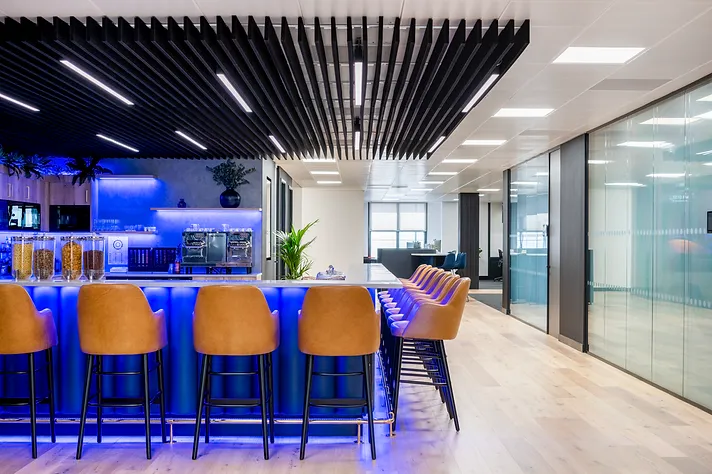
- Ceilings: Acoustic ceiling tiles help manage sound, while open ceilings with exposed ductwork create a contemporary, loft-like feel.
- Lighting Fixtures: LED lighting is energy-efficient and available in a variety of styles, from recessed fixtures to statement pendants.
- Millwork and Casework: Custom cabinetry and built-ins can maximize storage and reinforce your brand with unique finishes or colors.
- Hardware and Accessories: Door handles, faucets, and other hardware should be both functional and visually consistent with your overall design.
Balancing Functionality and Aesthetics in Finish Selection
Achieving the right balance between style and practicality is at the heart of any successful interior finish selection for offices. While it’s tempting to focus solely on visual appeal, it’s important to remember that finishes must also support the day-to-day needs of your team.
For example, while glass walls can create an open, airy feel, they may not provide enough privacy or sound control for certain areas. Similarly, bold accent colors can energize a space but may be overwhelming if overused. Collaborate with your design team to test samples, review mockups, and gather feedback from stakeholders before making final decisions.
How to Coordinate Finishes with Other Buildout Elements
The process of selecting finishes should be closely coordinated with other aspects of your office buildout. For instance, the types of partition walls you choose can affect your options for wall coverings or integrated storage. If you’re interested in learning more about how these elements interact, the article on office buildout stakeholder coordination provides practical tips for aligning teams and decisions.
Early and ongoing communication between your architect, contractor, and facilities team is essential. This ensures that finishes are compatible with building systems, code requirements, and your overall project schedule. It also helps avoid costly rework or delays.
Working with Contractors and Suppliers
Partnering with experienced professionals can make a significant difference in the outcome of your project. Reliable contractors and suppliers can recommend materials that meet your needs and budget, provide samples, and help you navigate lead times or supply chain challenges.
For a detailed look at the contractor’s role in this process, understanding office build-out contractors is a helpful resource. It covers how to evaluate bids, manage expectations, and ensure quality control throughout the buildout.
Long-Term Value: Maintenance and Lifecycle Costs
It’s important to consider not just the initial installation cost of your finishes, but also their long-term performance and maintenance requirements. Some materials may be less expensive upfront but require frequent repairs or replacement, while others offer better durability and lower lifecycle costs.
If you want to explore this topic further, the article on office buildout lifecycle costs provides a comprehensive analysis of how finish choices can impact your budget over time.
Frequently Asked Questions
What are the most important factors to consider when choosing office finishes?
The key considerations include durability, maintenance, acoustics, sustainability, budget, and how well the finishes align with your company’s brand and culture. It’s also important to coordinate with other buildout elements and consult with professionals for the best results.
How do I balance aesthetics and functionality in my workspace?
Start by identifying the primary needs of your team and the types of activities that will take place in each area. Select finishes that are both visually appealing and practical for those uses. Testing samples and gathering feedback from stakeholders can help ensure your choices are well received.
Can sustainable materials be used in commercial office interiors?
Yes, many sustainable options are available, including low-VOC paints, recycled-content flooring, and energy-efficient lighting. These choices can support your company’s environmental goals while also creating a healthier indoor environment for employees.
Conclusion
Thoughtful office buildout interior finish selection is essential for creating a workspace that is attractive, functional, and aligned with your organization’s goals. By considering durability, maintenance, acoustics, sustainability, and budget, you can make informed decisions that benefit your team and your business for years to come. For more insights and real-world examples, you may want to review office buildout case study examples to see how other organizations have approached their projects.