


Integrating biophilic design principles into office buildouts is becoming a top priority for businesses seeking to create healthier, more productive workplaces. By incorporating natural elements and mimicking nature in the built environment, companies can enhance employee well-being, boost creativity, and even improve retention rates. This guide explores the advantages of bringing nature into the office and offers practical ideas for implementing these concepts during your next workspace transformation.
Whether you’re planning a complete renovation or a modest upgrade, understanding how office buildout biophilic design works can help you make informed decisions that benefit both your team and your bottom line. For a comprehensive overview of the buildout process itself, you may find the office buildout planning guide helpful as a starting point.
Understanding Biophilic Principles in Office Buildouts
The term biophilic design refers to the practice of connecting people with nature within built environments. In the context of office buildout biophilic design, this means intentionally incorporating natural materials, greenery, daylight, and organic forms into the workspace. The goal is to foster a sense of well-being, reduce stress, and support cognitive function by creating environments that echo the natural world.
Biophilic concepts can be applied at any stage of an office buildout, from initial planning to final finishes. This approach is not limited to adding a few potted plants; it’s about weaving nature into the fabric of the workplace through thoughtful design choices.
Key Benefits of Biophilic Elements in the Workplace
Companies that embrace nature-inspired design during their office buildouts often see measurable improvements in several areas. Here are some of the most significant advantages:
- Enhanced Employee Well-being: Access to natural light, views of greenery, and organic materials have been shown to reduce fatigue, lower stress, and improve overall mood.
- Increased Productivity: Studies indicate that workers in biophilic environments report higher concentration levels and greater satisfaction, leading to better performance.
- Improved Air Quality: Incorporating living walls and indoor plants can help filter pollutants and regulate humidity, contributing to a healthier indoor climate.
- Boosted Creativity: Natural patterns, textures, and colors stimulate the mind and can inspire innovative thinking.
- Talent Attraction and Retention: A thoughtfully designed, nature-rich office can make a company more attractive to prospective employees and help retain existing staff.
Practical Ideas for Incorporating Nature into Office Spaces
Bringing biophilic concepts to life in your office doesn’t have to be complicated or expensive. Here are several practical strategies to consider during your next workspace upgrade:
Maximize Natural Light and Views
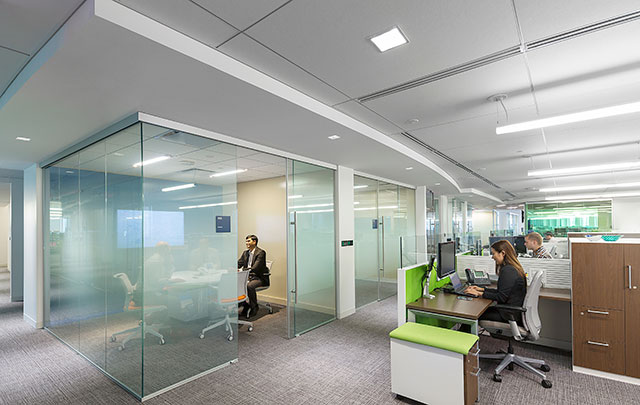
Position workstations near windows and use glass partitions to allow daylight to penetrate deeper into the office. If possible, orient communal areas to face outdoor landscapes or gardens. Even in urban settings, providing views of trees or sky can have a positive impact.
Integrate Greenery and Living Walls
Adding indoor plants is one of the simplest ways to introduce biophilic elements. For a bolder statement, consider installing a living wall or vertical garden. These features not only enhance aesthetics but also improve air quality and acoustics.
Use Natural Materials and Textures
Incorporate wood, stone, bamboo, or cork in flooring, wall treatments, and furniture. Natural textures and finishes create a warm, inviting atmosphere and help connect occupants with the environment.
Design with Organic Shapes and Patterns
Move beyond straight lines and sharp angles by introducing curved furniture, undulating ceiling features, or patterned carpets inspired by nature. These subtle cues can evoke a sense of calm and creativity.
Bring in Water Features and Soundscapes
The sound of flowing water or gentle nature-inspired soundscapes can reduce stress and mask distracting office noise. Small fountains or digital sound installations can be integrated into common areas or relaxation zones.
Planning a Nature-Inspired Office Buildout
If you’re considering a renovation or new build, it’s helpful to understand the basics of the process. For those unfamiliar with the terminology, the office buildout meaning article provides a clear explanation of what’s involved and why it matters.
Early collaboration with architects, designers, and contractors is essential to ensure that biophilic elements are integrated seamlessly. Consider the following steps:
- Assess your current space and identify opportunities for natural enhancements.
- Set clear goals for well-being, productivity, and sustainability.
- Work with professionals experienced in biophilic design to develop a cohesive plan.
- Choose materials and features that align with your vision and budget.
- Communicate the benefits to your team and encourage their input on design choices.
For a deeper dive into the stages and timelines involved, you may want to review the detailed explanation of office buildout phases provided by industry experts.
Common Challenges and How to Overcome Them
While the benefits of biophilic design are clear, some organizations face obstacles when trying to implement these ideas. Common challenges include budget constraints, limited access to natural light, and concerns about ongoing maintenance of living features.
- Budget: Start small with potted plants or natural finishes, then expand as resources allow.
- Lighting: Use full-spectrum LED lighting to mimic daylight in areas without windows.
- Maintenance: Select low-maintenance plants and consult with professionals for living wall upkeep.
By addressing these hurdles early in the planning process, you can create a workspace that supports both people and productivity.
Frequently Asked Questions
What is biophilic design in an office context?
Biophilic design in offices involves integrating natural elements—such as plants, natural light, water features, and organic materials—into the workspace. The aim is to improve employee well-being, increase productivity, and create a more inviting environment.
How can I add biophilic features to an existing office?
Start by introducing indoor plants, maximizing available daylight, and using natural materials in furniture or décor. Even small changes, like adding nature-inspired artwork or rearranging workstations for better views, can make a noticeable difference.
Are there cost-effective ways to implement biophilic design?
Yes. Simple steps like adding potted plants, using wood accents, or incorporating nature-inspired patterns in textiles can be affordable. Over time, these investments can yield returns through improved employee satisfaction and reduced absenteeism.


