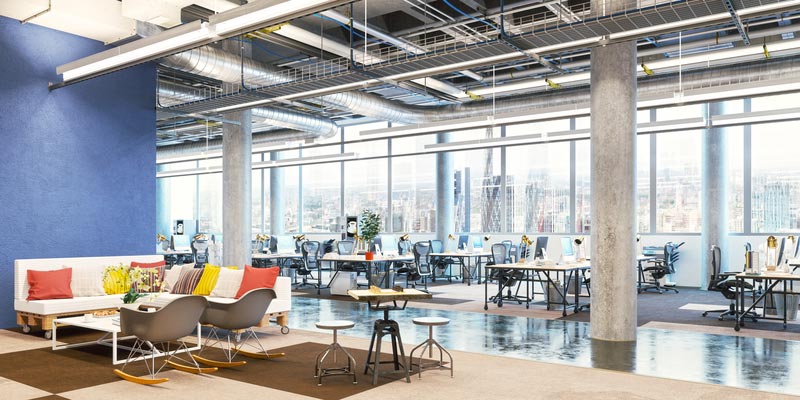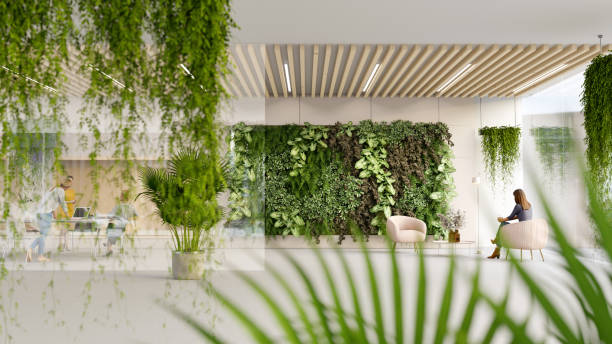

In today’s world, the importance of sustainable building practices and eco-friendly construction has increased dramatically. With growing environmental concerns, incorporating eco-friendly construction planning tips into your project can lead to both economic and environmental benefits. Whether you’re a homeowner beginning a new project or a real estate developer focusing on large-scale developments, understanding and applying these sustainable construction strategies is crucial.
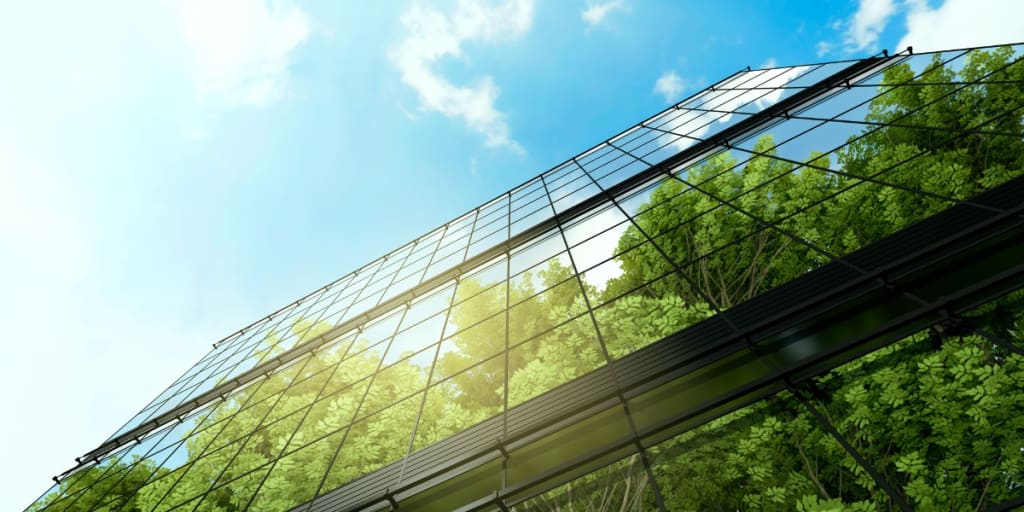
Understanding Eco-Friendly Construction
Eco-friendly construction involves designing and building structures with minimal environmental impact. It includes using sustainable materials, optimizing energy use, and implementing waste reduction practices. This not only helps the planet but also improves the long-term efficiency and value of your property.
Importance of Eco-Friendly Planning
Planning is a critical aspect of any construction project. By incorporating eco-friendly principles early in the planning stages, you ensure that sustainability is a core component rather than an afterthought. This approach reduces resource consumption, minimizes waste, and ensures compliance with environmental regulations.
1. Site Selection and Analysis
One of the first steps in sustainable construction is selecting a suitable site. Consider the natural features of the land, such as sunlight, wind patterns, and water sources. Avoid sites that require extensive excavation or disturbance to natural habitats.
2. Sustainable Design Methods
Incorporate green design elements into your project. This includes optimizing building orientation for natural light, using passive solar design principles, and implementing innovative insulation techniques. These methods reduce energy consumption and improve comfort.
3. Energy Efficiency
Maximize energy efficiency by utilizing energy-efficient appliances, lighting, and HVAC systems. Integrate renewable energy sources like solar panels or wind turbines to further reduce your carbon footprint and energy costs.
4. Resource-Efficient Material Usage
Utilize materials that are renewable, recycled, or have low environmental impact. This not only conserves natural resources but also often results in better building performance. Consider using materials with a long lifespan and low maintenance requirements.
5. Water Conservation Techniques
Reduce water usage through the installation of low-flow fixtures and rainwater harvesting systems. Landscaping with native plants can also reduce irrigation needs, contributing to overall water conservation.
6. Waste Reduction Strategies
Implement a waste management plan that minimizes construction and demolition waste. Recycling and reusing materials when possible reduces the environmental footprint of your project.
7. Indoor Environmental Quality
Ensure healthy indoor environments by selecting non-toxic materials and providing good ventilation. Use windows and skylights to enhance natural light and create a connection with the outdoors.
8. Emphasis on Urban Green Spaces
Including green spaces in urban areas can significantly benefit the environment and community well-being. Green roofs and vertical gardens contribute to biodiversity and help reduce urban heat.
9. Integrating Smart Technologies
Smart technology enhances energy management and efficiency. Automated systems for lighting, heating, and cooling can significantly reduce energy use and adapt to occupant preferences.
10. Collaboration with Green Experts
Work with architects and engineers who specialize in sustainable design. Their expertise is invaluable in navigating the complexities of eco-friendly construction and ensuring the best outcomes for your project.
11. Compliance with Green Building Standards
Adhering to standards such as LEED or BREEAM ensures that your project meets high environmental performance levels. These certifications add credibility and value to your property.
12. Balancing Cost and Sustainability
While some sustainable practices may involve higher initial costs, they often lead to lower operating expenses and greater longevity. Consider these savings when planning your budget.
13. Impact of Government Incentives
Many governments offer incentives for sustainable building projects, such as tax breaks or grants. Explore these options to offset some of the initial costs associated with green construction.
14. Future-Proofing Your Building
Design your project to adapt to future environmental and technological changes. This foresight ensures that your building remains relevant and efficient over the long term.
15. Educating Stakeholders
Education is key to successful eco-friendly construction. Ensure that all stakeholders, including contractors and occupants, understand and embrace sustainable practices.
For a more comprehensive guide on sustainable construction practices, check out the wealth of resources available at the U.S. Green Building Council.
FAQs
What are the benefits of eco-friendly construction?
Eco-friendly construction offers numerous benefits, including reduced environmental impact, lower energy costs, and improved property value. It also contributes to healthier living environments.
How can I make my construction project more sustainable?
Incorporate sustainable materials, use energy-efficient systems, and prioritize water conservation. Collaborate with experts in green building to ensure that sustainability is integrated from the outset.
What challenges might I face during eco-friendly construction?
Common challenges include higher upfront costs, sourcing sustainable materials, and complying with green building standards. However, these challenges can be mitigated with careful planning and expert guidance.
For more information on green construction, visit Green Construction Guide.
This article contains affiliate links. We may earn a commission at no extra cost to you.