

The modern workplace is evolving rapidly, and organizations are placing greater emphasis on the health and well-being of their employees. As a result, office buildout wellness design features have become a top priority for businesses looking to attract talent, boost productivity, and create a positive work environment. From air quality improvements to ergonomic furniture, wellness-focused office design is no longer a luxury—it’s a necessity for forward-thinking companies.
Whether you’re planning a new workspace or renovating an existing one, understanding the essential elements of wellness-driven design can help you make informed decisions. For a comprehensive overview of the planning process, you may find the office buildout planning guide helpful as you consider your options.

Why Wellness Matters in Office Buildouts
Today’s employees expect more than just a desk and chair—they seek workplaces that support their physical and mental health. Integrating wellness design features into office buildouts can lead to increased job satisfaction, reduced absenteeism, and improved overall performance. Companies that prioritize well-being often see a return on investment through higher retention rates and a stronger organizational culture.
As the demand for healthy workspaces grows, industry standards and certifications such as WELL and Fitwel are gaining traction. These frameworks provide guidelines for incorporating wellness principles into commercial interiors, from lighting and acoustics to nutrition and movement.
Key Elements of Wellness-Focused Office Design
Incorporating office buildout wellness design features involves a holistic approach that addresses multiple aspects of the work environment. Below are some of the most impactful elements to consider:
Optimized Indoor Air Quality
Clean, fresh air is fundamental to employee health. Effective ventilation systems, high-quality air filters, and the use of low-VOC materials all contribute to a healthier workspace. Plants can also help purify the air and add a touch of nature to the office.
Natural Light and Lighting Control
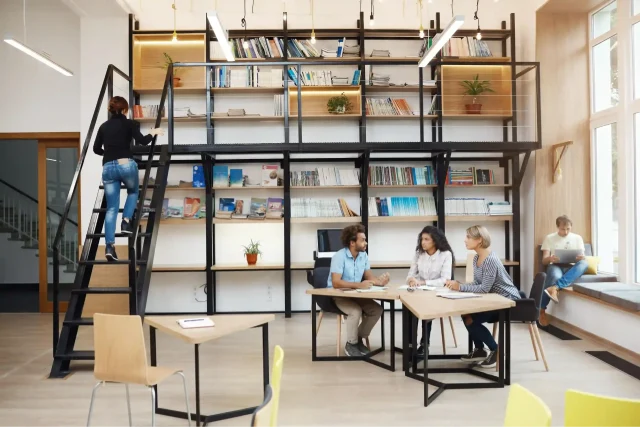
Exposure to natural light has been linked to improved mood, better sleep, and increased productivity. Maximizing daylight through strategic window placement, glass partitions, and skylights can make a significant difference. Adjustable artificial lighting, such as dimmable LEDs and circadian lighting systems, further supports employee well-being by reducing eye strain and fatigue.
Ergonomic Workstations and Flexible Layouts
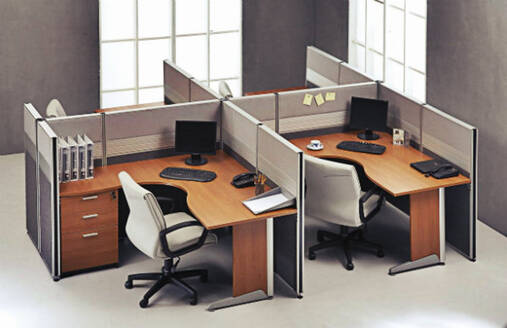
Providing employees with ergonomic furniture—adjustable chairs, sit-stand desks, and monitor arms—helps prevent musculoskeletal issues and encourages movement throughout the day. Flexible layouts that include collaborative zones, quiet areas, and breakout spaces allow staff to choose the environment that best suits their tasks and preferences.
Biophilic Design and Connection to Nature
Incorporating elements of nature into the office, known as biophilic design, can reduce stress and enhance creativity. This may include living walls, indoor gardens, water features, or simply the use of natural materials like wood and stone. Even artwork depicting natural scenes can have a positive effect.
Acoustic Comfort and Privacy Solutions
Noise can be a major source of distraction in open-plan offices. Wellness-oriented buildouts often include acoustic panels, sound-absorbing materials, and designated quiet zones to minimize disruptions. Providing private phone booths or small meeting rooms also supports focused work and confidential conversations.
Additional Wellness Features for Modern Offices
Beyond the core elements, there are several other features that can enhance the well-being of office occupants:
- Onsite Fitness Facilities: Gyms, yoga rooms, or even simple stretching areas encourage physical activity during the workday.
- Healthy Food Options: Access to nutritious snacks, hydration stations, and well-equipped kitchens supports healthy eating habits.
- Mental Health Spaces: Quiet rooms, meditation pods, or wellness lounges offer employees a place to recharge and manage stress.
- Touchless Technology: Automated doors, faucets, and lighting reduce the spread of germs and create a more hygienic environment.
- Inclusive Design: Accessibility features ensure that all employees, regardless of ability, can comfortably use the workspace.
Integrating Wellness into the Buildout Process
To successfully implement wellness design features in your office project, it’s important to involve stakeholders early and set clear goals. Collaborate with architects, designers, and contractors who have experience in health-focused commercial interiors. Consider referencing resources like the comprehensive guide to commercial build outs for additional insights on planning and execution.
Budgeting for wellness features upfront can help avoid costly changes later. Prioritize enhancements that deliver the most value to your team, and seek feedback from employees to ensure the space meets their needs. Regularly assess and update your office environment as new wellness trends and technologies emerge.
Measuring the Impact of Wellness Initiatives
Tracking the effectiveness of your wellness-focused office buildout is essential for continuous improvement. Metrics such as employee satisfaction surveys, absenteeism rates, and productivity levels can provide valuable feedback. Additionally, certifications like WELL and Fitwel offer third-party validation of your commitment to workplace health.
Remember, creating a healthy office is an ongoing process. Stay informed about new research and best practices to keep your workspace aligned with the latest standards in employee well-being.
Frequently Asked Questions
What are the most important wellness features to include in an office buildout?
Key features include improved air quality, access to natural light, ergonomic furniture, biophilic elements, and acoustic comfort measures. These components support both physical and mental health in the workplace.
How can I ensure my office buildout supports employee well-being?
Engage employees in the design process, prioritize flexible and inclusive layouts, and work with professionals experienced in wellness-oriented projects. Regularly review and update your space based on feedback and evolving best practices.
Are there industry standards for wellness in office design?
Yes, certifications such as WELL and Fitwel provide frameworks for integrating health and wellness principles into commercial interiors. These standards cover aspects like air, water, nourishment, light, fitness, and comfort.

