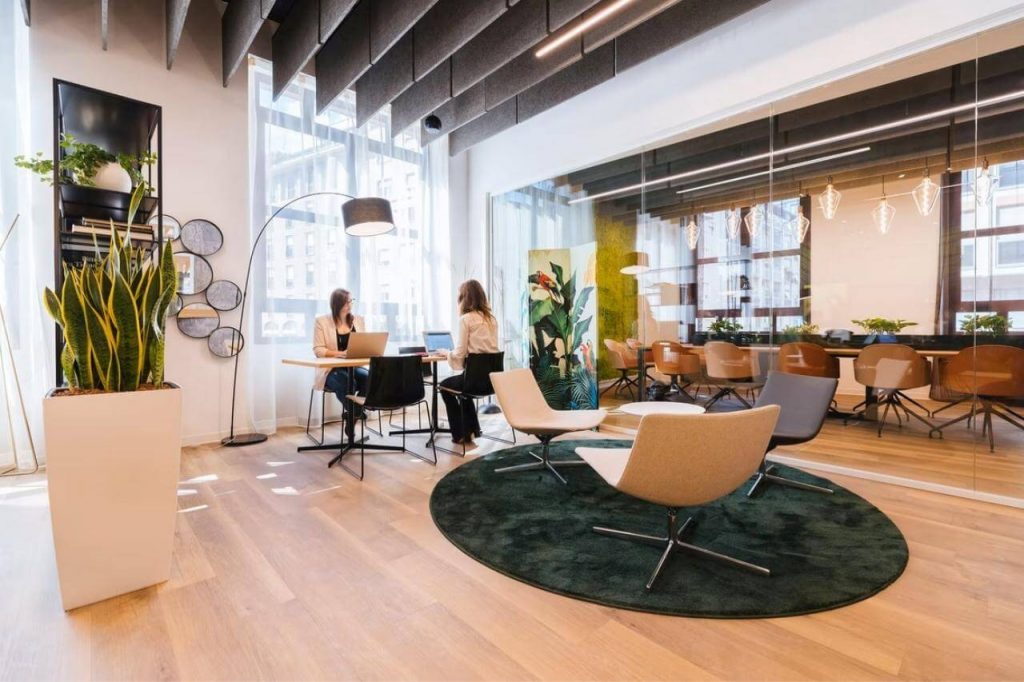

Creating a well-designed conference room is a critical aspect of any office buildout conference room design project. These spaces serve as the hub for collaboration, decision-making, and presentations, making their layout and features essential to overall workplace productivity. Whether you are planning a new office or renovating an existing space, understanding the fundamentals of conference room planning can help ensure your project meets the needs of your team and clients.
From selecting the right location to integrating technology and ensuring accessibility, each element plays a role in shaping the effectiveness of your meeting environment. This article provides a comprehensive overview of best practices, design considerations, and actionable tips for building a functional and inviting conference area. For a broader perspective on workspace transformation, you may also find the office buildout planning guide useful as you begin your project.
Key Principles for Conference Room Planning
The foundation of a successful meeting space lies in thoughtful planning. Before diving into furniture or technology choices, it is important to clarify the intended use and capacity of the room. Consider the following principles:
- Purpose: Will the room host large team meetings, client presentations, or small brainstorming sessions?
- Capacity: Estimate the average and maximum number of attendees to determine the appropriate size.
- Flexibility: Opt for modular furniture and adaptable layouts to accommodate various meeting types.
- Privacy: Ensure sound insulation and visual barriers to prevent distractions and maintain confidentiality.
- Accessibility: Design the space to be inclusive for all users, including those with mobility challenges.
Space Planning and Layout Strategies
Effective conference room buildout starts with a well-considered layout. The shape and size of the room, as well as the placement of doors, windows, and technology, all influence usability. Here are some layout strategies to keep in mind:
- Table Configuration: Rectangular, oval, and round tables each offer different benefits. Choose based on your typical meeting style.
- Circulation: Leave enough space around the table for comfortable movement and chair access.
- Entry Points: Position doors to minimize disruptions and allow for smooth entry and exit.
- Natural Light: Utilize windows for daylight, but consider blinds or shades to control glare during presentations.
- Wall Space: Reserve walls for whiteboards, displays, or acoustic panels as needed.
Technology Integration in Modern Meeting Spaces
Seamless technology is a hallmark of effective office buildout conference room design. The right tools can enhance communication and productivity, but only if they are easy to use and reliable. Consider the following technology elements:
- Audio-Visual Equipment: Invest in high-quality displays, cameras, microphones, and speakers for video conferencing and presentations.
- Connectivity: Ensure robust Wi-Fi and provide accessible power outlets and charging stations for all users.
- Control Systems: Simple, intuitive controls for lighting, shades, and AV equipment reduce setup time and technical issues.
- Cable Management: Conceal wires and cables to maintain a tidy, professional appearance.
- Collaboration Tools: Digital whiteboards and wireless screen sharing can support interactive meetings.
For a deeper dive into the technical aspects of commercial buildouts, the comprehensive guide to commercial build-outs offers additional insights on integrating infrastructure and technology.
Acoustics and Lighting Considerations
The comfort and effectiveness of a meeting space depend heavily on acoustics and lighting. Poor sound quality or harsh lighting can undermine even the best-designed rooms. Here’s how to address these factors:
- Sound Control: Use acoustic panels, carpeting, and soft furnishings to absorb noise and reduce echo.
- Privacy: Consider soundproof glass or solid walls for confidential discussions.
- Lighting Layers: Combine ambient, task, and accent lighting to create a balanced environment.
- Adjustability: Dimmable lights and window treatments allow users to tailor the lighting to their needs.
- Color Temperature: Opt for neutral white lighting to support focus and reduce eye strain.
Furniture and Finishes for Professional Appeal
Selecting the right furniture and finishes is essential for both comfort and aesthetics. The choices you make should reflect your company’s brand and support the intended use of the room.
- Ergonomic Seating: Choose chairs that provide support for long meetings and are easy to move.
- Durable Surfaces: Opt for tables and finishes that resist scratches, stains, and daily wear.
- Branding Elements: Incorporate company colors, logos, or artwork to reinforce identity.
- Easy Maintenance: Select materials that are simple to clean and maintain for a professional look.
- Flexible Storage: Include cabinets or credenzas for storing supplies and equipment.
Compliance, Accessibility, and Sustainability
Every conference room buildout must comply with local building codes, accessibility standards, and sustainability goals. These considerations not only ensure legal compliance but also create a more inclusive and responsible workplace.
- ADA Compliance: Ensure doorways, pathways, and table heights are accessible to all users.
- Fire Safety: Install proper signage, alarms, and sprinklers as required by code.
- Ventilation: Provide adequate air circulation for comfort and health.
- Eco-Friendly Materials: Use sustainable, low-emission products where possible.
- Energy Efficiency: Incorporate LED lighting and energy-saving controls to reduce operating costs.
For those new to the process, resources like what is an office buildout and office buildout meaning can provide helpful background on the terminology and phases involved.
Common Pitfalls and How to Avoid Them
Even with careful planning, some challenges are common in office buildout conference room design projects. Here are a few pitfalls and strategies to avoid them:
- Underestimating Space Needs: Plan for future growth and unexpected large meetings.
- Overcomplicating Technology: Choose user-friendly systems and provide training for staff.
- Neglecting Acoustics: Address sound issues early to prevent distractions and privacy concerns.
- Ignoring Maintenance: Select durable finishes and establish a cleaning routine.
- Overlooking Scheduling: Implement a booking system to prevent conflicts and maximize usage.
FAQ: Conference Room Buildout and Design
What size should a conference room be for 10 people?
For a group of 10, a room of approximately 250–300 square feet is recommended. This allows for a standard conference table, comfortable seating, and circulation space. Adjustments may be needed based on additional equipment or accessibility requirements.
How can I make a conference room more flexible?
Flexibility can be achieved with modular furniture, movable partitions, and wireless technology. These features allow the space to adapt to different meeting formats, from formal presentations to collaborative workshops.
What are the most important features in a modern meeting space?
Key features include reliable audio-visual technology, comfortable seating, effective acoustics, robust connectivity, and adaptable lighting. Prioritizing these elements ensures the space supports productivity and a positive user experience.
For more details on timelines and project management, see the office buildout timeline resource.