
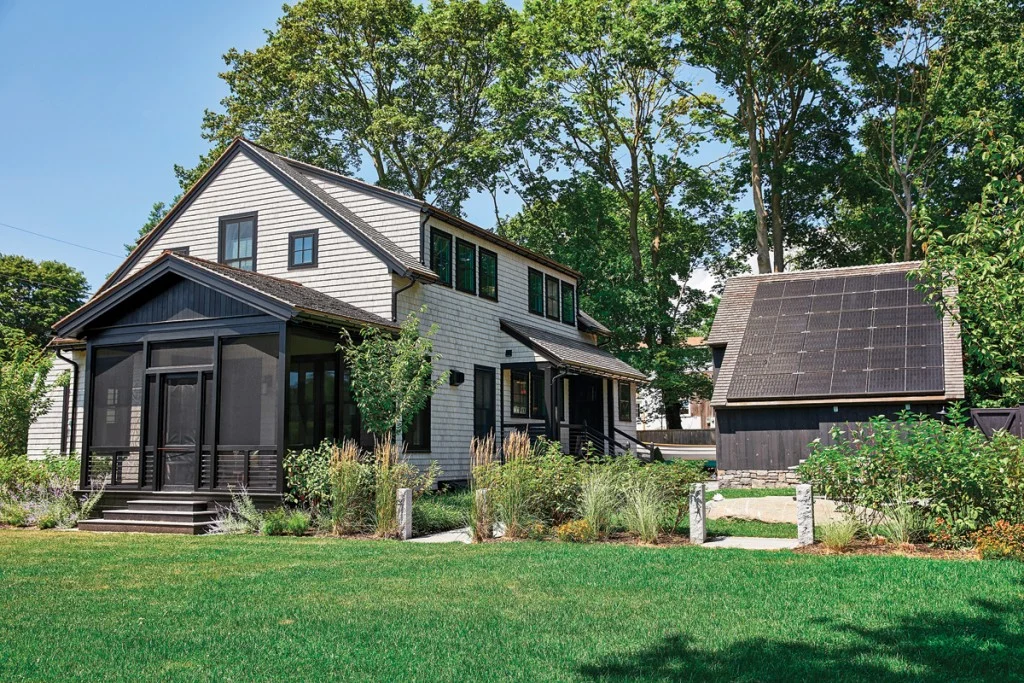

Achieving net-zero energy certification is a significant milestone for any building project aiming to minimize its environmental impact and maximize energy efficiency. This process involves meeting strict standards to ensure that a building produces as much renewable energy as it consumes over the course of a year. Whether you are a homeowner, builder, or developer, understanding the steps and requirements involved is essential for a successful certification journey.
In this guide, you’ll find a practical overview of the certification process, including key steps, documentation, and helpful resources. We’ll also highlight some useful tools and products that can support your efforts. If you’re interested in the regulatory side, you may want to review building codes net-zero homes for compliance and safety considerations early in your planning.
Understanding the Path to Net-Zero Certification
The journey to net-zero energy certification begins long before construction starts. It requires a holistic approach to design, materials, systems, and ongoing performance. Certification bodies such as the International Living Future Institute (ILFI), the U.S. Department of Energy (DOE), and others have established frameworks to assess and verify net-zero performance.
While each program has its own nuances, the core principle remains the same: the building must demonstrate that its annual energy consumption is offset by on-site or nearby renewable energy generation.
Key Steps in the Net-Zero Energy Certification Process
To successfully achieve certification, follow these essential steps:
-
Pre-Design Planning
- Set clear energy goals and select a certification program that aligns with your project type and location.
- Engage architects, engineers, and energy consultants with experience in high-performance buildings.
-
Integrated Design and Modeling
- Use energy modeling software to simulate building performance and optimize for efficiency.
- Incorporate passive design strategies, such as insulation, airtightness, and solar orientation.
-
Construction and Quality Assurance
- Source high-performance materials and install efficient systems (HVAC, lighting, appliances).
- Conduct blower door tests and thermal imaging to verify airtightness and insulation quality.
-
Renewable Energy Integration
- Install solar panels or other renewable energy systems sized to match projected energy use.
- Ensure systems are properly commissioned and monitored for performance.
-
Performance Monitoring
- Track energy consumption and generation over at least 12 consecutive months.
- Use smart energy monitors and data logging tools to collect accurate data.
-
Documentation and Submission
- Compile all required documentation, including energy models, utility bills, and commissioning reports.
- Submit your application to the chosen certification body for review.
-
Third-Party Verification
- Undergo site visits and audits as required by the certifying organization.
- Address any identified issues or discrepancies before final approval.
Popular Certification Programs and Their Requirements
Several organizations offer recognized net-zero certifications. Here are some of the most widely adopted:
- Zero Energy Certification (ILFI): Focuses on actual measured performance over 12 months. Requires on-site renewable energy generation and strict documentation.
- DOE Zero Energy Ready Home: Emphasizes advanced building science, indoor air quality, and renewable readiness. Includes third-party verification.
- PHIUS+ Source Zero: Based on Passive House principles with additional requirements for renewable energy integration.
For a deeper dive into the basics and benefits of net-zero housing, explore this comprehensive overview of net-zero housing fundamentals.

Essential Documentation for Certification
Proper documentation is crucial for a smooth net-zero energy certification process. Certifying bodies typically require:
- Energy modeling reports and calculations
- Utility bills showing 12 months of energy use and generation
- Commissioning and verification reports (blower door, thermal imaging, etc.)
- System specifications for renewables and mechanicals
- Photos and plans documenting construction and system installation
Maintaining organized records from the beginning will save time and reduce stress during the final submission phase.
Tools and Technologies to Support Your Journey
Several tools can streamline the path to certification. Smart energy monitors, such as the Emporia Vue 3, provide real-time tracking of electricity usage, helping you identify opportunities for further efficiency. Thermal imaging cameras are invaluable for detecting insulation gaps and air leaks during construction and commissioning.
Integrating advanced climate control systems and efficient heating solutions can also make a significant difference. For example, climate control net-zero housing strategies and radiant floor heating net-zero homes can both contribute to lower energy demand and improved comfort.

Common Challenges and How to Overcome Them
While the net-zero energy certification process is rewarding, it can also present challenges. Some common hurdles include:
- Accurate Energy Modeling: Early-stage modeling may not always reflect real-world performance. Collaborate closely with experienced professionals and update models as the project evolves.
- Maintaining Airtightness: Even small leaks can undermine efficiency. Use blower door tests and thermal imaging to catch issues before completion.
- Documentation Gaps: Missing or incomplete records can delay certification. Assign a team member to manage documentation from the outset.
- Renewable System Sizing: Oversizing or undersizing solar arrays can affect compliance. Base system sizing on detailed consumption projections and adjust as needed.
Addressing these challenges proactively will help keep your project on track and increase the likelihood of a successful outcome.
Maximizing Performance After Certification
Certification is not the end of the journey. Ongoing monitoring and maintenance are essential to ensure continued high performance. Consider integrating smart thermostats net-zero homes and ventilation strategies net-zero homes for optimal comfort and energy savings year-round.
Regularly review energy data, schedule maintenance for renewable systems, and educate occupants about best practices. This commitment will help maintain certification status and maximize the long-term benefits of your investment.
FAQ: Net-Zero Energy Certification
What is the typical timeline for achieving certification?
The process generally takes 18 to 24 months, including design, construction, and the required 12 months of performance monitoring. Timelines can vary based on project complexity and documentation readiness.
Can existing buildings become net-zero certified?
Yes, existing structures can be retrofitted to meet net-zero standards. This often involves upgrades to insulation, windows, HVAC systems, and the addition of renewable energy sources. The certification process is similar, but may require additional verification steps.
Are there financial incentives for pursuing net-zero certification?
Many regions offer incentives such as tax credits, rebates, and grants for energy-efficient construction and renewable energy systems. Check with local and national programs to identify available support.
How do I choose the right certification program?
Consider your project goals, location, and the recognition of each program. Review the requirements and benefits of each option to determine the best fit for your needs.
By following the steps outlined in this article and leveraging the right tools and resources, you can navigate the net-zero energy certification process with confidence and achieve lasting benefits for your building and the environment.


