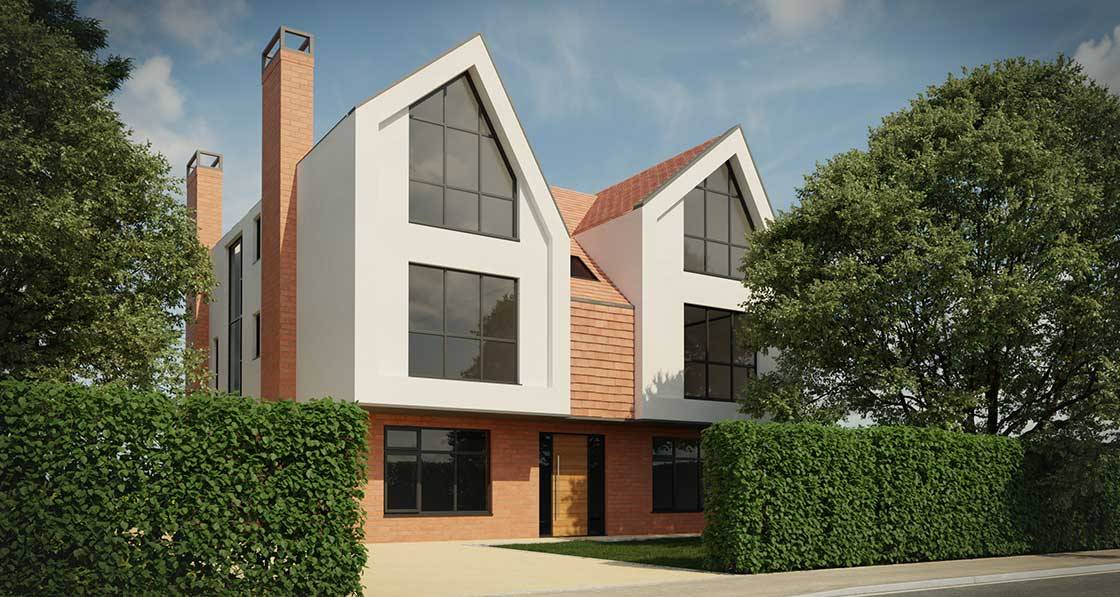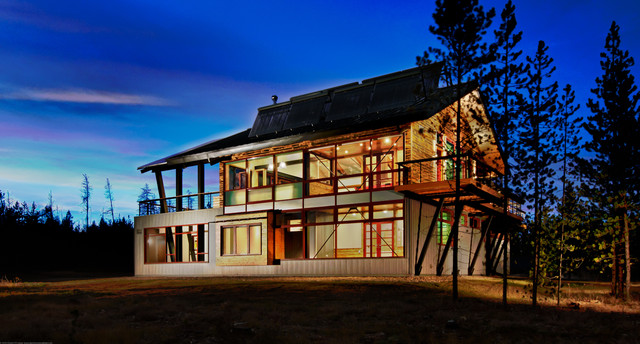

LEED net-zero homes explained is a topic gaining momentum as homeowners, builders, and communities seek ways to reduce environmental impact and achieve true energy efficiency. These homes combine the rigorous standards of LEED (Leadership in Energy and Environmental Design) certification with net-zero energy goals, resulting in residences that are both environmentally responsible and highly efficient. Understanding how these homes are designed, built, and certified can help you make informed decisions about sustainable living and construction.
This article provides a comprehensive overview of what makes a home both LEED-certified and net-zero, the benefits of these advanced dwellings, and practical steps for achieving such high sustainability. You’ll also find guidance on compliance, climate control, and the latest technologies that support these ambitious goals.
For those interested in regulatory aspects, be sure to review building codes net-zero homes to ensure your project remains compliant and safe.
Understanding LEED Certification and Net-Zero Energy Goals
LEED is a globally recognized green building certification system developed by the U.S. Green Building Council. It evaluates buildings based on criteria such as energy efficiency, water conservation, indoor air quality, and sustainable materials. Achieving LEED certification demonstrates a commitment to environmental stewardship and occupant well-being.
Net-zero homes, on the other hand, are designed to produce as much energy as they consume over the course of a year. This is typically achieved through a combination of energy-efficient construction, advanced insulation, high-performance windows, and renewable energy sources like solar panels. When a home meets both LEED and net-zero standards, it represents the pinnacle of sustainable residential design.
Key Features of LEED Net-Zero Residences
Combining LEED certification with net-zero performance involves integrating a range of advanced features and technologies. Here are some of the most important elements:
- High-Performance Building Envelope: Superior insulation, air sealing, and energy-efficient windows minimize heat loss and gain, reducing the need for heating and cooling.
- Renewable Energy Systems: Solar photovoltaic panels, geothermal heat pumps, or wind turbines generate clean energy on-site, offsetting household consumption.
- Efficient HVAC and Climate Control: Advanced heating, ventilation, and air conditioning systems, including options like climate control net-zero housing, optimize comfort while minimizing energy use.
- Water Conservation: Low-flow fixtures, rainwater harvesting, and drought-tolerant landscaping reduce water demand.
- Smart Home Technology: Devices such as smart thermostats net-zero homes and energy monitors help homeowners track and manage consumption in real time.
- Sustainable Materials: Use of recycled, locally sourced, and low-emission building materials supports both LEED and net-zero objectives.
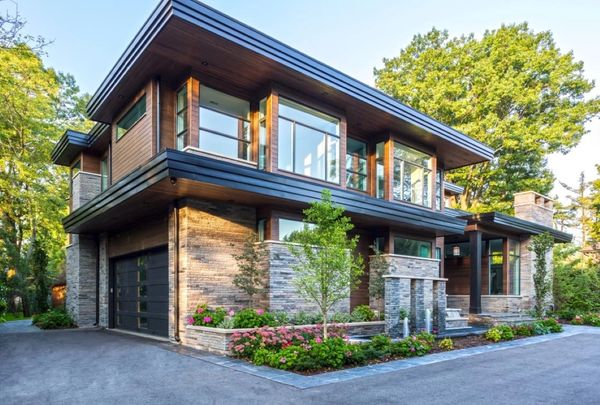
How to Achieve LEED and Net-Zero Certification
Attaining both LEED certification and net-zero status requires careful planning, collaboration, and commitment to sustainability from the earliest design stages. Here’s a step-by-step overview:
- Set Clear Goals: Define your sustainability targets, including which LEED level (Certified, Silver, Gold, or Platinum) and net-zero energy performance you aim to achieve.
- Assemble the Right Team: Work with architects, engineers, and builders experienced in green construction and familiar with LEED requirements.
- Design for Efficiency: Prioritize passive solar design, orientation, and shading to reduce energy loads. Incorporate airtight construction and high R-value insulation.
- Select Efficient Systems: Choose energy-efficient appliances, lighting, and mechanical systems. Consider radiant heating options like radiant floor heating net-zero homes for comfort and efficiency.
- Integrate Renewable Energy: Size and install solar panels or other renewable systems to match or exceed projected annual energy use.
- Monitor and Adjust: Use energy monitoring devices and smart controls to track performance and optimize usage over time.
- Document and Certify: Maintain thorough documentation for LEED submission and net-zero verification. Engage third-party assessors as required.
For a detailed breakdown of the design and construction process, review this step-by-step guide to designing a net-zero home.
Benefits of Combining LEED and Net-Zero Standards
Homes that meet both LEED and net-zero criteria offer a range of advantages for homeowners and the environment:
- Lower Utility Bills: Producing as much energy as you consume means minimal or no energy costs over time.
- Healthier Living: Enhanced indoor air quality, non-toxic materials, and effective ventilation systems (see ventilation strategies net-zero homes) contribute to occupant well-being.
- Environmental Impact: Reduced greenhouse gas emissions and resource consumption help combat climate change and preserve natural resources.
- Increased Property Value: Sustainable homes are in high demand and often command higher resale prices.
- Resilience: Energy independence and efficient design make these homes more resilient to utility outages and rising energy costs.
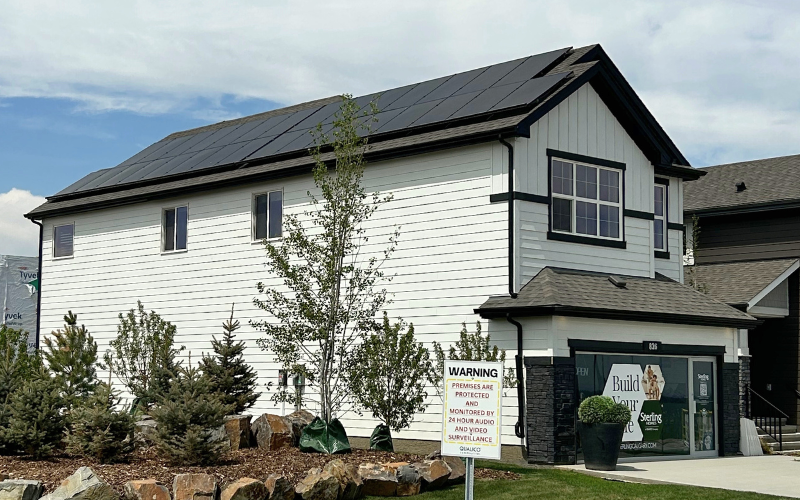
Common Challenges and How to Overcome Them
While the benefits are clear, pursuing both LEED certification and net-zero status can present challenges:
- Upfront Costs: High-performance materials and renewable energy systems can increase initial investment. However, long-term savings and incentives often offset these costs.
- Design Complexity: Achieving airtightness, optimal insulation, and efficient systems requires precise planning and skilled labor.
- Verification and Documentation: Both LEED and net-zero certifications demand thorough documentation and third-party verification, which can be time-consuming.
- Climate Considerations: Local climate affects design strategies and renewable energy production. Tailor solutions to your region for best results.
Working with experienced professionals and leveraging available resources can help you navigate these hurdles and achieve your sustainability goals.
LEED Net-Zero Homes in Practice: What to Expect
Living in a home that meets both LEED and net-zero standards is a unique experience. Homeowners often report:
- Consistent Comfort: Superior insulation and advanced HVAC systems maintain steady indoor temperatures year-round.
- Active Engagement: Monitoring energy use and adjusting habits becomes second nature, often supported by smart technology.
- Pride in Sustainability: Residents take satisfaction in knowing their home minimizes environmental impact and serves as a model for others.
As more communities embrace green building, these homes are becoming increasingly accessible and desirable.
Frequently Asked Questions
What is the difference between LEED-certified and net-zero homes?
LEED-certified homes are evaluated based on a broad range of sustainability criteria, including energy, water, materials, and indoor environment. Net-zero homes specifically focus on producing as much energy as they consume annually. A home can be LEED-certified without being net-zero, but combining both standards delivers the highest level of sustainability.
How much does it cost to build a LEED net-zero home?
Costs vary depending on location, design, and materials. While initial expenses can be higher than conventional construction, incentives, energy savings, and increased property value often make these homes a sound investment over time.
Are there incentives for building LEED net-zero homes?
Many regions offer incentives such as tax credits, rebates, and grants for green building and renewable energy systems. Check with local authorities and utility providers for programs that can help offset costs.
Conclusion
Homes that combine LEED certification with net-zero energy performance set a new standard for sustainability, comfort, and long-term value. By understanding the requirements, benefits, and challenges, you can make informed choices and contribute to a more sustainable future. For more in-depth technical guidance, explore resources on climate control net-zero housing and related topics throughout this site.