
Achieving a net-zero home means balancing energy use with renewable energy production, and one of the most effective ways to do this is through intelligent temperature management. Smart thermostats net-zero homes are at the forefront of this movement, offering homeowners precise control, automation, and energy savings that traditional thermostats simply can’t match. These devices not only help maintain comfort but also play a crucial role in reducing overall energy consumption, which is essential for homes aiming to reach net-zero status.
Integrating advanced temperature controls with other energy-efficient systems, such as high-performance HVAC, solar panels, and enhanced insulation, creates a home environment that is both comfortable and sustainable. By leveraging real-time data, learning your habits, and connecting with other smart devices, these thermostats make it easier to optimize heating and cooling, ultimately reducing your carbon footprint and utility bills.
For those interested in a deeper dive into advanced climate solutions, explore climate control net-zero housing for comprehensive guides on integrating smart systems throughout your home.
How Intelligent Thermostats Support Net-Zero Living
Modern temperature controllers are designed to do much more than just adjust the heat or air conditioning. For homes striving for net-zero energy, these devices offer several unique benefits:
- Automated Scheduling: Set heating and cooling to match your daily routines, ensuring energy is only used when needed.
- Remote Access: Control your home’s temperature from anywhere using a smartphone app, making it easy to adjust settings on the go.
- Learning Capabilities: Many models learn your preferences and occupancy patterns, automatically optimizing settings for comfort and efficiency.
- Integration with Renewable Energy: Smart thermostats can coordinate with solar panels and battery storage systems, maximizing the use of clean energy when it’s available.
- Energy Usage Reports: Receive detailed feedback on your consumption, helping you identify opportunities to save even more energy.
By combining these features, smart temperature controls help homeowners maintain a consistent indoor climate while minimizing reliance on the grid.
Key Features to Look for in Smart Thermostats for Sustainable Homes
Not all smart thermostats are created equal, especially when it comes to supporting net-zero goals. Here are some essential features to consider:
- Compatibility with High-Efficiency HVAC: Ensure the device works seamlessly with modern systems, such as those highlighted in HVAC systems net-zero homes.
- Geofencing: Uses your smartphone’s location to automatically adjust settings when you leave or return home.
- Smart Sensors: Place sensors in different rooms to monitor temperature and occupancy, allowing for more precise control.
- Integration with Home Automation: Connect with other smart devices, such as lighting, blinds, and ventilation, for a holistic approach to energy management.
- Demand Response Support: Some models can participate in utility programs that reduce energy use during peak demand, further lowering your carbon footprint.
Choosing a thermostat with these capabilities ensures your home remains comfortable while supporting your sustainability objectives.
Integrating Smart Controls with Solar and Energy Storage
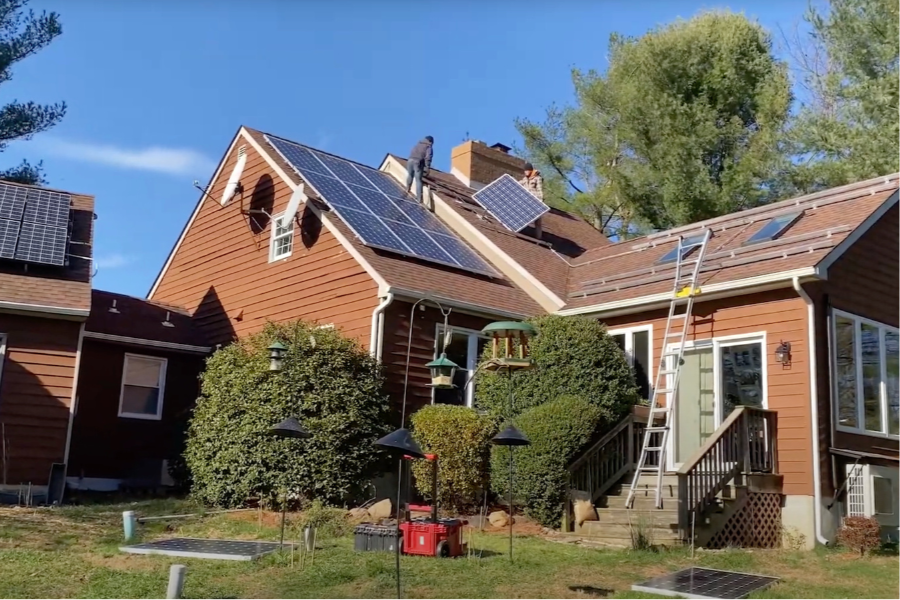
For net-zero homes, the synergy between smart thermostats, solar panels, and battery systems is essential. These technologies work together to:
- Maximize Onsite Energy Use: Automatically adjust heating or cooling to run when solar generation is at its peak, reducing reliance on grid electricity.
- Store Excess Energy: When paired with battery storage, excess solar power can be used to maintain comfort during the evening or on cloudy days.
- Coordinate with Other Systems: Integrate with heat recovery ventilation net-zero homes and other smart devices for a comprehensive energy strategy.
By leveraging these connections, homeowners can further reduce energy waste and improve the efficiency of their entire home ecosystem.
Installation and Setup Tips for Maximum Efficiency
Getting the most out of your smart thermostat starts with proper installation and configuration. Here are some practical tips:
- Choose the Right Location: Install the thermostat away from direct sunlight, drafts, and heat sources for accurate readings.
- Connect to Wi-Fi: Ensure a reliable internet connection for remote access and software updates.
- Utilize Room Sensors: Place additional sensors in frequently used rooms to avoid hot or cold spots.
- Set Schedules: Program heating and cooling schedules that align with your daily routines and occupancy patterns.
- Monitor and Adjust: Regularly review energy reports and adjust settings as needed to maximize savings.
For homes with radiant floor systems, integrating controls can further enhance comfort and efficiency. Learn more about radiant floor heating net-zero homes for additional insights.
Common Challenges and How to Overcome Them
While the benefits of intelligent temperature management are clear, some homeowners encounter challenges during adoption:
- Compatibility Issues: Older HVAC systems may require adapters or professional installation. Always check compatibility before purchasing.
- Learning Curve: Advanced features can be overwhelming at first. Take advantage of tutorials and support resources provided by manufacturers.
- Connectivity Problems: Ensure your Wi-Fi network is strong and reliable, especially if your thermostat is located far from the router.
- Integration with Other Devices: For seamless operation, choose products that support open standards and work with your existing smart home ecosystem.
Addressing these issues early ensures a smooth transition and maximizes the impact of your investment.
Maximizing Savings and Comfort with Smart Controls
To fully realize the benefits of smart thermostats in energy-efficient homes, consider these best practices:
- Regularly Update Software: Keep your thermostat’s firmware up to date for new features and improved performance.
- Participate in Utility Programs: Many utilities offer incentives for using smart devices that help balance grid demand.
- Monitor Energy Trends: Use the device’s reporting tools to track usage and identify patterns that can be optimized further.
- Combine with Other Efficiency Measures: Pair your thermostat with enhanced insulation, efficient windows, and renewable energy systems for maximum impact.
For a comprehensive approach, consider integrating your thermostat with high efficiency HVAC net-zero homes for even greater energy savings.
Resources for Building a Net-Zero Home
If you’re planning to upgrade or build a home that produces as much energy as it consumes, there are many resources available. For a step-by-step overview, visit this guide to making your home net-zero for actionable advice and best practices.
Frequently Asked Questions
Are smart thermostats worth it for energy-efficient homes?
Yes, these devices offer significant energy savings, improved comfort, and better integration with renewable energy systems. They help automate temperature control, reduce waste, and provide valuable insights into your home’s energy use.
Can I install a smart thermostat myself?
Many models are designed for DIY installation, but compatibility with your HVAC system is key. If your system is older or complex, professional installation may be recommended to ensure optimal performance.
How do smart thermostats help achieve net-zero energy?
By optimizing heating and cooling schedules, integrating with solar and battery systems, and providing real-time feedback, these devices help minimize energy use and maximize the consumption of onsite renewable energy, which is essential for reaching net-zero goals.