

Embarking on a kitchen upgrade is a significant project that can transform both the look and function of your home. Whether you’re aiming for a modern refresh or a complete overhaul, knowing how to start kitchen remodeling is essential for a smooth process and a satisfying result. Proper planning, budgeting, and understanding your needs will help you avoid common pitfalls and ensure your new kitchen meets your expectations.
Before you dive into the design phase or start picking out new appliances, it’s important to lay a solid foundation. This article will walk you through the essential steps, from initial inspiration to working with professionals, so you can approach your kitchen renovation with confidence. For those interested in creating a harmonious space, you might also find value in these kitchen remodeling visual balance tips to help guide your design decisions.

Setting Clear Goals for Your Kitchen Update
The first step in any kitchen transformation is defining your objectives. Are you looking to improve functionality, increase storage, update the style, or boost your home’s value? Make a list of what you like and dislike about your current kitchen. Consider how you use the space—do you entertain often, cook elaborate meals, or need a family-friendly layout?
Setting clear goals will help you prioritize features and make informed decisions throughout the process. It’s also wise to gather inspiration from magazines, websites, and showrooms. For more ideas, check out this collection of kitchen design concepts that can spark your creativity and help you visualize the possibilities.
Budgeting and Financial Planning for a Kitchen Renovation
One of the most critical aspects of how to start kitchen remodeling is establishing a realistic budget. Costs can vary widely depending on the scope of your project, the materials you choose, and whether you plan to do any of the work yourself. Start by researching average costs in your area and decide how much you’re comfortable investing.
Remember to include a contingency fund—experts recommend setting aside 10–20% of your budget for unexpected expenses. Factor in costs for permits, labor, appliances, fixtures, and finishes. Being upfront about your budget with contractors and designers will help you avoid surprises and keep your project on track.
Planning the Layout and Workflow
A well-designed kitchen is both beautiful and functional. When considering kitchen remodeling steps, focus on the layout and how you move through the space. The classic “work triangle”—the optimal arrangement between the sink, stove, and refrigerator—remains a reliable guideline, but modern kitchens often require more nuanced planning.
Think about how you use your kitchen daily. Do you need more prep space, a larger pantry, or an island for casual dining? If you’re interested in optimizing your cleaning and prep zones, these kitchen remodeling cleaning zone layout ideas offer practical solutions for efficient workflows.

Choosing Materials, Finishes, and Fixtures
Selecting the right materials and finishes is a key part of your kitchen transformation. Cabinets, countertops, flooring, and backsplashes all contribute to the overall look and durability of the space. Consider your lifestyle—do you need surfaces that are easy to clean, or are you drawn to natural stone and wood for their beauty?
Don’t overlook the importance of hardware and lighting. Small details like cabinet pulls, faucets, and recessed lights can make a big difference in both style and function. For guidance on selecting hardware, refer to this helpful kitchen remodeling hardware style guide.
Working With Professionals and Managing the Project
Unless you’re an experienced DIYer, most homeowners benefit from hiring professionals for at least part of the job. Architects, designers, and contractors can help turn your vision into reality, handle permits, and coordinate the many moving parts of a remodel.
When selecting professionals, ask for references and review portfolios to ensure they understand your style and needs. Get multiple quotes and make sure all agreements are in writing. Good communication is essential—schedule regular check-ins to discuss progress and address any concerns promptly.
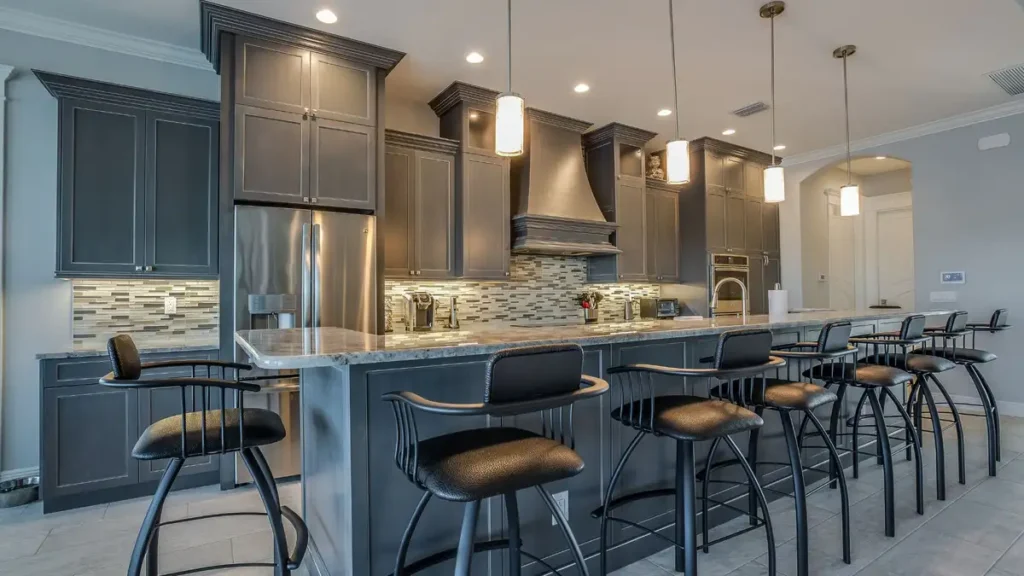
Maximizing Storage and Organization
A successful kitchen remodel isn’t just about aesthetics—it’s also about making the space work for you. Smart storage solutions like pull-out shelves, deep drawers, and hidden appliances can help keep your kitchen organized and clutter-free. If you’re interested in integrating appliances seamlessly, these kitchen remodeling hidden appliance ideas offer inspiration for a sleek, modern look.
Think about your daily routines and storage needs. Custom cabinetry, built-in organizers, and dedicated zones for prep, cooking, and cleaning can make your kitchen more efficient and enjoyable to use.
Final Touches: Style, Lighting, and Personalization
Once the major components are in place, it’s time to add personality and warmth. Choose a color palette that reflects your taste and complements the rest of your home. Layer different types of lighting—ambient, task, and accent—to create a welcoming atmosphere.
Personal touches like artwork, open shelving, or a statement backsplash can make your kitchen truly unique. For cohesive results, refer to this kitchen remodeling style planning guide to help you coordinate finishes and decor.
Frequently Asked Questions
What is the first step in planning a kitchen remodel?
Begin by assessing your current kitchen and identifying your goals. Make a list of what works, what doesn’t, and what you want to achieve. Gathering inspiration and setting a realistic budget are also crucial early steps.
How can I stay within budget during my kitchen renovation?
Set a clear budget from the start and include a contingency fund for unexpected expenses. Prioritize must-have features and be open to alternative materials or finishes that offer similar looks at lower costs. Communicate your budget to any professionals you hire to avoid surprises.
Do I need permits for a kitchen remodel?
Permits are often required for structural changes, electrical work, or plumbing updates. Check with your local building department to determine what permits you need before starting any demolition or construction.

