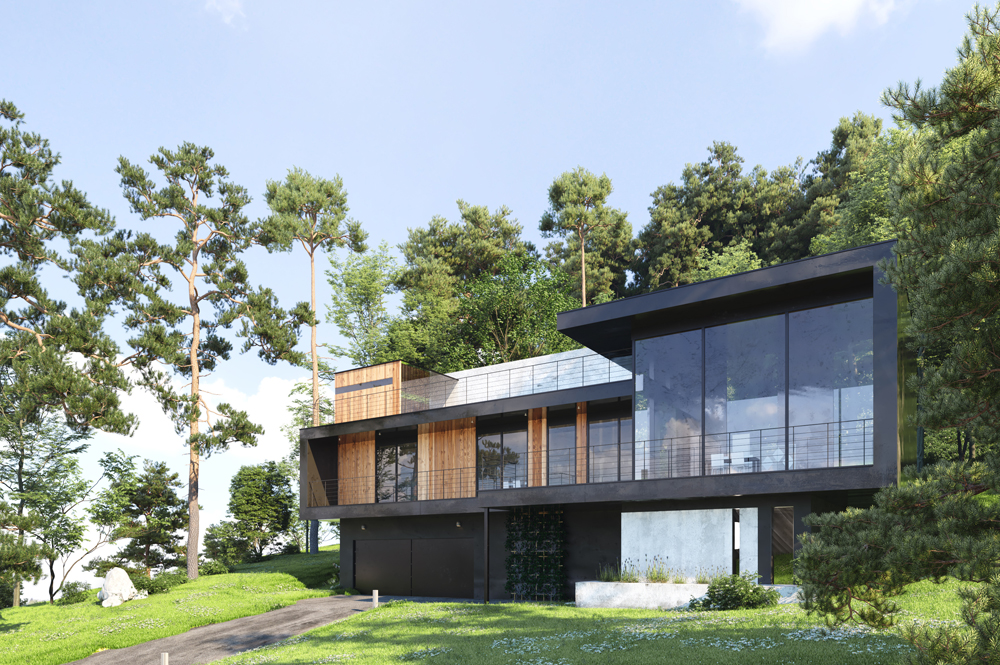

As the demand for sustainable living grows, more homeowners and builders are turning to net-zero home certification standards to ensure their properties are energy efficient and environmentally responsible. These frameworks provide clear guidelines for designing, building, and verifying homes that produce as much energy as they consume over the course of a year. Understanding these standards is essential for anyone interested in reducing their carbon footprint, lowering utility costs, and increasing property value.
Whether you’re planning a new build or retrofitting an existing property, navigating the landscape of green building certifications can be complex. This article breaks down the essentials of net-zero certification, the main frameworks available, and what it takes to achieve this ambitious goal. For those interested in related topics, you may also want to explore indoor air quality net-zero homes for tips on maintaining a healthy living environment in energy-efficient houses.
Understanding the Basics of Net-Zero Certification
At its core, a net-zero home is designed to balance the energy it uses with renewable energy it generates onsite, typically through solar panels or other clean energy sources. Certification standards provide a third-party verification process, ensuring that homes truly meet these rigorous requirements. The process involves careful planning, energy modeling, construction practices, and post-construction testing.
Certification is not just about energy production; it also encompasses building envelope performance, insulation, airtightness, and efficient mechanical systems. These elements work together to minimize energy demand before renewable energy systems are sized to offset the remaining consumption.
Key Net-Zero Home Certification Programs
Several organizations have developed recognized frameworks for certifying net-zero residences. Each has its own criteria, documentation requirements, and verification processes. Here are some of the most prominent:
- Zero Energy Ready Home (ZERH) by the U.S. Department of Energy: This program sets high standards for efficiency, indoor air quality, and renewable energy readiness. Homes must meet ENERGY STAR requirements and additional criteria for insulation, ventilation, and water management.
- Passive House Institute US (PHIUS) Certification: PHIUS focuses on rigorous energy modeling and airtightness. While not all PHIUS-certified homes are net-zero, the standard is often used as a foundation for achieving net-zero performance.
- Living Building Challenge (LBC) Zero Energy Certification: The LBC offers a performance-based certification that requires 12 months of verified energy data showing net-zero or net-positive energy use.
- Canadian Home Builders’ Association (CHBA) Net Zero Home Labelling Program: This program is tailored for the Canadian climate and includes both Net Zero and Net Zero Ready labels, depending on whether renewable energy systems are installed.
Each program has unique documentation and testing requirements, but all share the goal of reducing energy consumption and environmental impact.

Core Criteria for Net-Zero Home Certification Standards
While each program has its nuances, most net-zero home certification standards share several core requirements:
- Energy Efficiency: Homes must be designed to minimize energy demand through high-quality insulation, advanced windows, and airtight construction.
- Renewable Energy Integration: Onsite renewable energy systems, such as photovoltaic panels, are required to offset the home’s annual energy consumption.
- Verification and Testing: Third-party testing, including blower door tests for airtightness and energy modeling, is mandatory to confirm performance.
- Documentation: Detailed records of materials, systems, and energy calculations must be submitted for review.
- Occupant Health and Comfort: Many standards include requirements for ventilation, moisture control, and indoor air quality. For more on this, see our guide to ventilation strategies net-zero homes.
Meeting these criteria often requires collaboration between architects, builders, energy consultants, and homeowners from the earliest stages of design.
Benefits of Achieving Net-Zero Certification
Homes that meet recognized net-zero standards offer several advantages:
- Lower Utility Bills: By producing as much energy as they consume, these homes can dramatically reduce or even eliminate electricity costs.
- Increased Comfort: Superior insulation and airtightness lead to more consistent indoor temperatures and fewer drafts.
- Environmental Impact: Certified homes contribute to lower greenhouse gas emissions and a reduced reliance on fossil fuels.
- Market Value: Properties with third-party certification often command higher resale values and appeal to eco-conscious buyers.
- Healthier Living: Enhanced ventilation and material standards can improve indoor air quality, supporting occupant wellness.
For those interested in maximizing comfort, radiant floor heating net-zero homes can be an excellent addition to a high-performance building envelope.

Steps to Achieve a Certified Net-Zero Home
Transitioning to a certified net-zero residence involves several key steps:
- Initial Assessment: Evaluate the site, climate, and existing building (if retrofitting) to determine feasibility and set performance goals.
- Integrated Design: Work with a team of professionals to optimize the building envelope, orientation, and systems for energy efficiency.
- Energy Modeling: Use software to predict energy use and size renewable energy systems appropriately.
- Construction: Implement best practices for insulation, air sealing, and high-performance windows and doors.
- System Installation: Add renewable energy systems such as solar panels, and ensure mechanical systems are efficient and properly commissioned.
- Testing and Verification: Conduct blower door tests, duct leakage tests, and monitor energy use to confirm performance.
- Certification Submission: Compile documentation and submit to the chosen certification body for review and approval.
Throughout this process, ongoing communication and quality control are vital to achieving certification. For a detailed look at the construction process, see this comprehensive guide to building a net-zero home.
Common Challenges and How to Overcome Them
While the benefits are significant, pursuing net-zero certification can present challenges:
- Upfront Costs: High-performance materials and renewable energy systems can increase initial investment, though long-term savings often offset these costs.
- Design Complexity: Achieving airtightness and thermal continuity requires careful detailing and experienced contractors.
- Verification Requirements: Documentation and testing can be time-consuming but are essential for third-party validation.
- Climate Considerations: Homes in extreme climates may require additional design strategies to meet energy targets.
Engaging professionals familiar with net-zero standards, and using smart technologies like smart thermostats net-zero homes, can help streamline the process and ensure success.
Integrating Net-Zero Certification With Other Sustainable Features
Many homeowners choose to combine net-zero certification with other green building strategies for even greater performance and comfort. Features such as advanced climate control, water conservation, and healthy material selection can further enhance a home’s sustainability profile. For those interested in advanced environmental controls, our article on climate control net-zero housing offers practical guidance.
Additionally, ongoing monitoring and maintenance are important to ensure the home continues to perform as designed. Energy monitors and thermal imaging cameras can help identify inefficiencies and maintain optimal performance over time.
FAQ
What is the difference between a net-zero home and a net-zero ready home?
A net-zero home produces as much energy as it consumes annually, typically through onsite renewable energy. A net-zero ready home is built to the same efficiency standards but may not have renewable energy systems installed yet. These homes are designed so that solar panels or other renewables can be added in the future to achieve full net-zero performance.
How much does it cost to certify a home to net-zero standards?
Certification costs vary depending on the program, size of the home, and complexity of the project. While upfront expenses can be higher than conventional construction, many homeowners find that energy savings and increased property value justify the investment over time.
Can existing homes be retrofitted to meet net-zero certification?
Yes, many existing homes can be upgraded to meet net-zero standards, though it may require significant improvements to insulation, airtightness, windows, and mechanical systems. A thorough energy audit and careful planning are essential for successful retrofits.