The drive toward international net-zero building standards is reshaping the construction industry worldwide. As climate change accelerates, governments, architects, and builders are aligning on ambitious targets to reduce carbon emissions and energy use in buildings. These global benchmarks provide a framework for designing, constructing, and operating buildings that balance the energy they consume with the renewable energy they produce, resulting in a net-zero carbon footprint.
Understanding these standards is essential for anyone involved in sustainable construction, whether you’re a homeowner, developer, or policy maker. By following recognized benchmarks, projects can achieve higher energy efficiency, increase property value, and contribute to a healthier planet. This article explores the leading frameworks, their requirements, and how they compare across regions, offering practical insights for those aiming to meet or exceed these rigorous goals.

For those interested in a deeper dive into how these frameworks compare, our PHIUS passive house net-zero comparison provides a detailed look at two of the most influential standards in the field.
Understanding Net-Zero Concepts and Their Global Importance
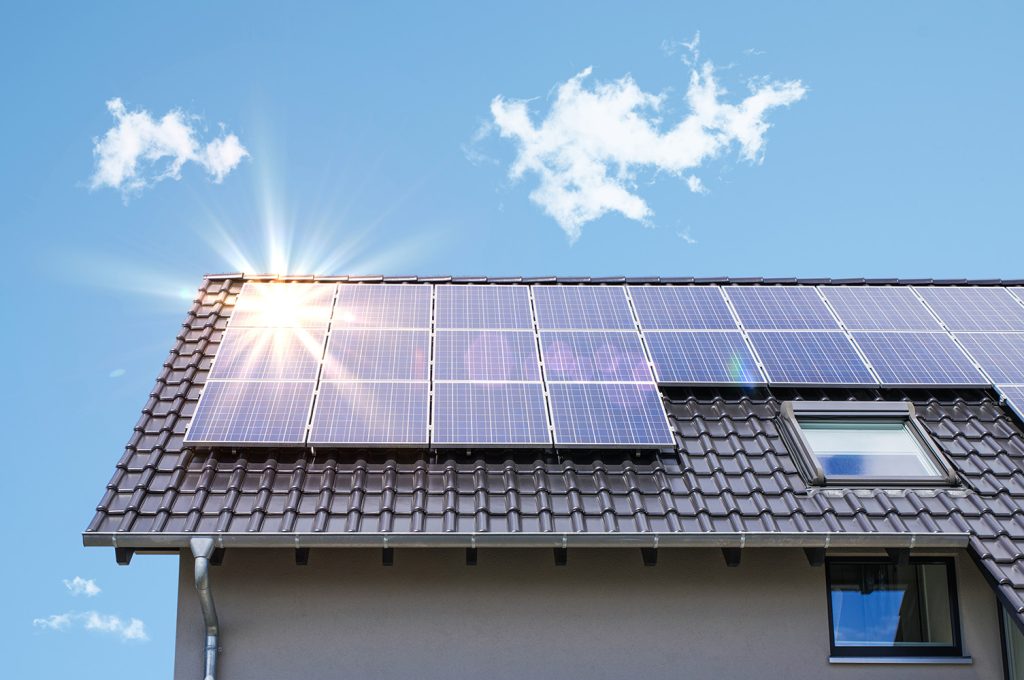
Net-zero buildings are designed to produce as much renewable energy as they consume over the course of a year. This is achieved through a combination of energy-efficient design, advanced building materials, and on-site renewable energy generation such as solar panels. The significance of these buildings is growing as cities and nations set stricter carbon reduction targets.
Globally, the construction sector accounts for nearly 40% of annual greenhouse gas emissions. By adopting international net-zero building standards, the industry can play a pivotal role in meeting the Paris Agreement’s climate goals. These frameworks not only address operational energy use but increasingly consider embodied carbon—the emissions associated with building materials and construction processes.
Key International Frameworks for Net-Zero Buildings
Several organizations have developed recognized standards and certifications to guide the development of net-zero buildings. Each has its own criteria, methodologies, and areas of emphasis, but all share the goal of reducing environmental impact.
- LEED Zero: An extension of the LEED certification, LEED Zero recognizes buildings that achieve net-zero carbon, energy, water, or waste. It is widely used in North America and internationally, focusing on both operational and embodied carbon.
- International Living Future Institute (ILFI) Zero Energy Certification: This certification requires buildings to demonstrate twelve months of net-zero energy performance, verified through actual utility bills.
- Passivhaus/Passive House: Originating in Germany, this standard emphasizes ultra-low energy use through airtight construction, high-performance insulation, and heat recovery ventilation. While not always net-zero by default, Passive House buildings are often designed to achieve net-zero with the addition of renewables.
- World Green Building Council (WorldGBC) Advancing Net Zero: This initiative supports the adoption of net-zero carbon buildings globally, providing guidance and advocacy for national and regional standards.
- National Standards: Many countries have developed their own frameworks, such as the UK’s Net Zero Carbon Buildings Standard or Australia’s NABERS and Green Star programs. These often align with or complement international benchmarks.
For a closer look at how these certifications compare, see our article on green building certifications explained.
Core Requirements of Global Net-Zero Building Benchmarks
While each framework has unique features, there are common elements that define global net-zero building benchmarks:
- Energy Efficiency: Buildings must minimize energy demand through insulation, high-performance windows, efficient HVAC systems, and smart controls.
- On-Site Renewable Energy: Most standards require that renewable energy, such as solar or wind, is generated on-site to offset the building’s energy use.
- Verification and Monitoring: Achieving net-zero status typically requires ongoing measurement and third-party verification, often using actual utility data.
- Embodied Carbon Considerations: Increasingly, standards are addressing the carbon footprint of building materials and construction processes, not just operational energy.
- Water and Waste Management: Some frameworks extend beyond energy, incorporating water conservation and waste reduction as part of the overall sustainability strategy.
For homeowners, understanding these requirements can help in selecting the right certification path and ensuring long-term performance. Our guide to net-zero home certification standards offers practical advice for residential projects.
Comparing Regional Approaches to Net-Zero Standards
Implementation of net-zero benchmarks varies by region, reflecting local climate, policy, and market conditions. In Europe, the Energy Performance of Buildings Directive (EPBD) mandates nearly zero-energy buildings for all new construction, driving rapid adoption of high-performance standards. The United States and Canada have seen voluntary adoption through programs like LEED Zero and the ILFI Zero Energy Certification, with some states and provinces introducing mandatory requirements for public buildings.
Australia’s Green Star and NABERS programs are leading the way in the Asia-Pacific region, with a focus on both operational performance and occupant health. Meanwhile, emerging economies are beginning to integrate net-zero principles into national building codes, often with support from international organizations.
For a comprehensive review of how different frameworks rate sustainability, see our article on sustainability rating systems homes.
Benefits of Adopting Global Net-Zero Benchmarks
Meeting recognized benchmarks for zero-energy buildings offers a range of benefits:
- Reduced Operating Costs: Energy-efficient buildings cost less to run, with lower utility bills and maintenance expenses.
- Increased Property Value: Certified net-zero buildings are attractive to buyers and tenants seeking sustainability and long-term savings.
- Regulatory Compliance: As more jurisdictions require net-zero performance, early adoption positions projects for future code changes.
- Environmental Impact: Reducing carbon emissions and resource use supports global climate goals and improves community health.
- Market Differentiation: Certification demonstrates leadership and commitment to sustainability, enhancing brand reputation.
For builders and homeowners, tools like energy monitors and thermal imaging cameras can help verify performance and identify areas for improvement. These technologies support ongoing compliance with net-zero requirements and help optimize building operations.
Challenges and Opportunities in Achieving Net-Zero
While the advantages are clear, achieving net-zero status is not without challenges. Upfront costs for high-performance materials and renewable systems can be significant, though these are often offset by long-term savings. Technical expertise is required to design and commission buildings that meet stringent energy targets, and ongoing monitoring is essential to ensure performance over time.
Opportunities exist in leveraging new technologies, such as smart energy management systems, advanced insulation, and innovative construction methods. Collaboration across the supply chain—from architects to contractors to facility managers—is key to delivering successful net-zero projects. For those looking to design a home from scratch, resources like net-zero energy home designs offer inspiration and practical solutions for meeting international benchmarks.
How to Get Started with Net-Zero Certification
For those embarking on a net-zero project, the following steps can help ensure success:
- Choose the Right Standard: Evaluate which certification aligns with your project goals, location, and budget. Consider factors such as energy use, carbon footprint, and additional sustainability criteria.
- Engage Qualified Professionals: Work with architects, engineers, and consultants experienced in net-zero design and certification processes.
- Integrate Energy Modeling Early: Use simulation tools to optimize building orientation, envelope, and systems before construction begins.
- Plan for Verification: Set up systems for ongoing measurement and third-party verification to maintain compliance and performance.
- Stay Informed: The field of sustainable construction is evolving rapidly. Keep up with the latest standards, technologies, and best practices through resources like our article on LEED net-zero homes explained.
Frequently Asked Questions
What is the difference between net-zero energy and net-zero carbon buildings?
Net-zero energy buildings produce as much renewable energy as they consume annually, balancing their energy use. Net-zero carbon buildings go a step further by offsetting all carbon emissions associated with both energy use and, in some cases, the materials and construction process. Some standards focus on operational carbon, while others include embodied carbon as well.
Are net-zero building standards mandatory worldwide?
While some regions and cities have introduced mandatory requirements for public or new buildings, most international net-zero building standards are currently voluntary. However, adoption is increasing as governments set more ambitious climate targets and update building codes to reflect net-zero principles.
How do I verify that my building meets a net-zero benchmark?
Verification typically involves third-party certification, which may include energy modeling, review of construction documents, and analysis of utility bills over a 12-month period. Many standards require ongoing monitoring to ensure continued compliance. Tools like energy monitors and thermal imaging cameras can assist in tracking performance and identifying areas for improvement.