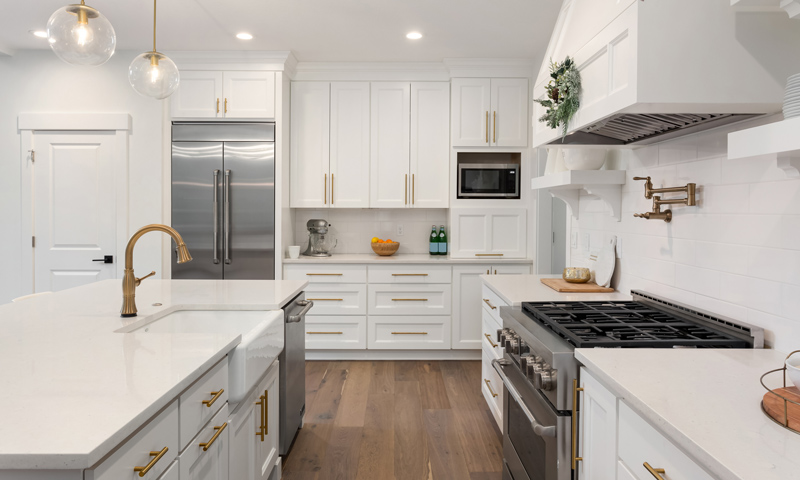

Upgrading your kitchen is one of the most effective ways to enhance both the value and enjoyment of your home. Among the many elements that can transform this space, a well-designed island stands out for its ability to blend style and functionality. Whether you’re seeking more prep space, additional storage, or a spot for casual dining, the right island can become the centerpiece of your kitchen remodel. This guide explores a range of kitchen remodeling island ideas to inspire your next project, helping you achieve a balance between aesthetics and practical use.
Before diving into design options, it’s important to consider how your island will fit within your overall kitchen layout. For tips on creating a harmonious and visually balanced space, check out kitchen remodeling visual balance tips for harmonious design strategies.
Why Add an Island to Your Kitchen Remodel?
Integrating an island into your kitchen offers a host of benefits. It can serve as a multifunctional hub for cooking, dining, entertaining, and even working from home. Here are some key advantages:
- Extra Workspace: Islands provide additional countertop area for meal prep and baking.
- Increased Storage: Cabinets, drawers, and shelves built into the island help keep essentials organized.
- Casual Seating: Overhangs and barstools create a spot for quick meals or socializing.
- Design Focal Point: A unique island can anchor the room and reflect your personal style.
With so many possibilities, it’s no wonder that islands are a top feature in modern kitchen renovations.
Popular Kitchen Island Layouts and Shapes
Choosing the right shape and configuration is crucial for both flow and function. Here are some of the most common island layouts:
- Rectangular: The classic choice, ideal for most kitchens and easily customized with seating or storage.
- Square: Works well in larger, open kitchens and can double as a dining table.
- L-Shaped: Offers extra surface area and can help define zones in open-plan spaces.
- U-Shaped: Maximizes prep and storage but requires ample square footage.
- Curved or Circular: Adds a contemporary touch and softens the look of the room.
When planning your island, ensure there’s enough clearance—typically at least 36 to 42 inches—on all sides for comfortable movement and appliance access.
Creative Kitchen Remodeling Island Ideas for Every Style
From sleek and modern to warm and rustic, islands can be tailored to suit any design preference. Here are some inspiring options:

- Waterfall Countertops: Extend the countertop material down the sides of the island for a seamless, high-end look.
- Contrasting Colors: Use a different finish or paint color for the island to make it stand out from the main cabinetry.
- Open Shelving: Incorporate shelves for cookbooks, baskets, or decorative items to add personality and accessibility.
- Integrated Appliances: Add a microwave drawer, beverage fridge, or even a dishwasher to maximize convenience. For more on this, see kitchen remodeling hidden appliance ideas for sleek solutions.
- Butcher Block Tops: Warm wood surfaces are perfect for prep work and add a rustic touch.
- Multi-Level Surfaces: Create separate zones for cooking and dining by varying the countertop height.
Maximizing Storage and Organization
One of the biggest advantages of a kitchen island is the opportunity to add smart storage solutions. Consider these options to keep your space clutter-free:
- Deep drawers for pots, pans, and utensils
- Pull-out trash and recycling bins
- Built-in spice racks or tray dividers
- Wine racks or beverage coolers
- Hidden charging stations for devices
Customizing the interior of your island ensures that every inch is put to good use. For more practical layout strategies, explore kitchen remodeling cleaning zone layout ideas for efficient kitchen organization.
Lighting and Hardware for a Stylish Island
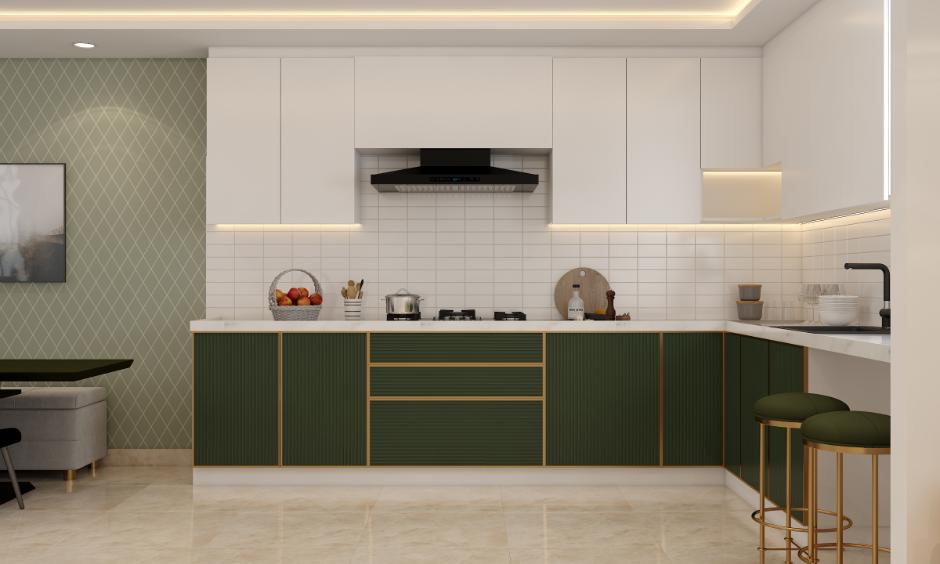
Lighting plays a crucial role in both the function and ambiance of your kitchen island. Pendant lights are a popular choice, offering focused illumination and a chance to introduce decorative flair. Recessed lighting can provide even, unobtrusive brightness for larger islands. For a curated look, coordinate your lighting fixtures with the hardware on your cabinets and drawers. If you’re looking for guidance, the kitchen remodeling hardware style guide offers insights on selecting the right knobs and pulls to complement your design.
Don’t forget about the faucet—choosing a statement piece can elevate the entire island. For recommendations, see the best options highlighted above.
Personalizing Your Island for Lifestyle Needs
Every household uses their kitchen differently. Tailor your island to your specific needs by considering:
- Family Gatherings: Add seating for kids or guests with a breakfast bar or banquette.
- Entertaining: Include a prep sink, wine fridge, or extra outlets for small appliances.
- Baking Station: Lower a section of the countertop for rolling dough and mixing.
- Homework/Work Zone: Designate a spot with comfortable seating and device charging.
By customizing features, your island becomes a true extension of your lifestyle.
Coordinating Your Island with the Rest of the Kitchen
While the island can be a focal point, it should still feel cohesive with the rest of your kitchen. Consider repeating materials, colors, or hardware finishes to create visual harmony. For a comprehensive approach to style planning, refer to the kitchen remodeling style planning guide for cohesive interiors.
For additional inspiration and a broader look at kitchen upgrades, you may also find value in this collection of kitchen remodeling ideas that covers a variety of trends and solutions.
Frequently Asked Questions
What is the ideal size for a kitchen island?
The ideal size depends on your kitchen’s dimensions and how you plan to use the island. Generally, islands should be at least 2 feet wide and 4 feet long to provide usable workspace. Ensure there’s at least 36 to 42 inches of clearance on all sides for easy movement.
Can I add an island to a small kitchen?
Yes, even compact kitchens can benefit from a well-designed island. Consider a narrow or mobile island, or a peninsula that connects to existing cabinetry. Prioritize features like open shelving or slim storage to maximize utility without crowding the space.
What features should I include for maximum functionality?
To get the most from your island, include a mix of storage (drawers, cabinets), seating, and integrated appliances if space allows. Features like pull-out trash bins, built-in outlets, and dedicated prep zones can further enhance usability.
How do I choose the right countertop material?
Popular choices include quartz, granite, butcher block, and solid surface materials. Consider durability, maintenance, and how the surface complements your overall design. Waterfall edges and mixed materials are also trending for added visual interest.
Should my island match the rest of my kitchen cabinets?
Matching is not required. Many homeowners opt for a contrasting color or finish to make the island stand out. Just be sure to repeat some elements—like hardware or countertop material—elsewhere in the kitchen for a cohesive look.
With thoughtful planning and creative ideas, your kitchen island can become a beautiful and functional centerpiece that enhances daily life and adds value to your home.